
After-Hours Purchasing Rules for Emergency Vet Hospitals
A practical, data-backed guide to controlling costs and automating expense workflows.
As a small veterinary business owner or office manager, navigating the rules and regulations surrounding after-hours purchasing for emergency vet hospitals can be complex and time-consuming. Effective expense management for veterinary clinics For a complete overview, see our expense management guide.
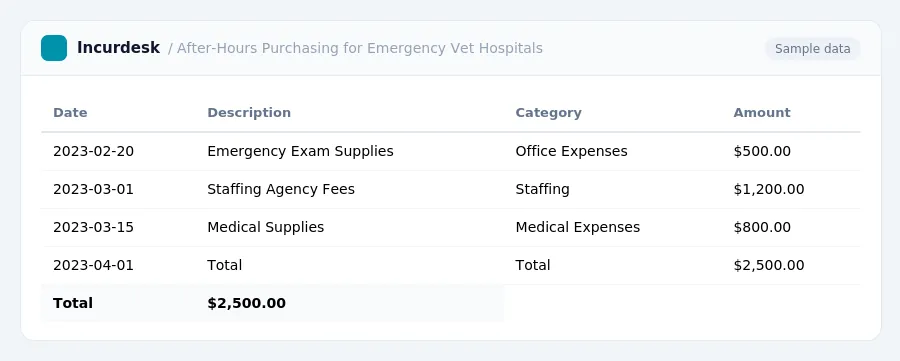
Here are some key points to keep in mind:
It's essential to note that California has specific rules regarding "on-call" veterinarians. A facility using an on-call service cannot advertise as an emergency clinic or hospital, as defined in Cal. Code Regs. Tit. 16, § 2032.5 for 2026.
This includes payments for equipment, supplies, and services.
This can help reduce your business's tax liability and improve cash flow.
Be aware of state-specific rules, such as California's definition of an "on-call" veterinarian. This can impact how you advertise and operate your emergency vet services.
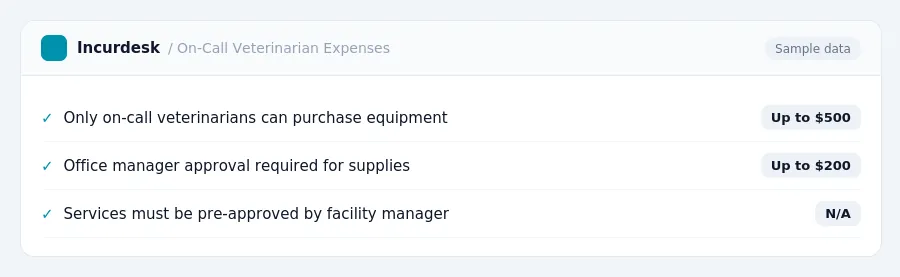
State-Specific Rules for Advertising and Operating Emergency Services
When it comes to operating emergency services, state-specific rules can vary. Here are some examples to consider.
In Texas, be careful when advertising your practice as open for emergencies. If a veterinarian is not present 24/7, you could be considered misleading, and fines of up to $1,000 may apply. The Texas Board of Veterinary Medical Examiners enforces this rule in 2026.
- Any veterinary facility advertising as an emergency clinic must have a licensed veterinarian on the premises during posted hours of operation.
- Advertisements must clearly state this, along with operating hours and contact information.
If your practice does not provide after-hours emergency services, you must provide full disclosure to the public about this lack of service prior to rendering any services. This is a general requirement for veterinary premises, applicable in 2026.
The average emergency exam cost in 2026 is approximately $135 for dogs and $143 for cats. These fees typically do not include additional services.
Here are some examples of how to comply with these rules:
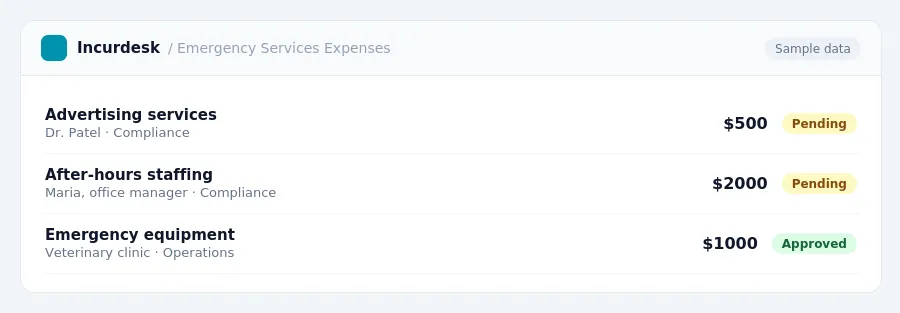
Sales Tax Principles and Emergency Exam Costs for Veterinary Businesses
When it comes to sales tax, veterinary businesses must follow general principles across the US. This includes supplies and medications purchased outside of regular business hours for emergency situations.
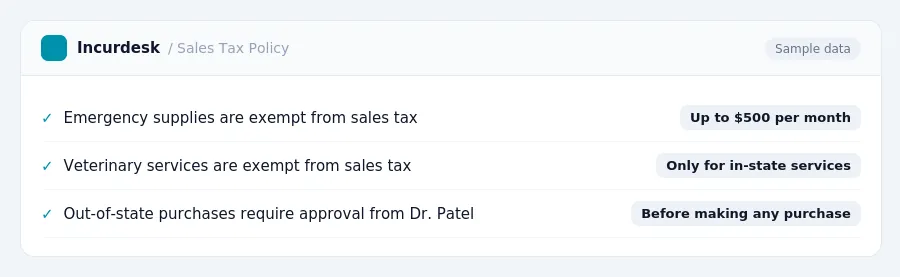
It's essential for veterinary businesses to understand their state's specific sales tax laws and regulations. Some states, like Texas, may have unique rules for sales tax exemptions. In California, for example, veterinary services may be exempt from sales tax under certain circumstances.
Emergency exam costs can vary depending on the situation and the services provided. While it's difficult to provide an exact average cost, veterinary businesses can expect to charge more for emergency services due to the urgent nature of the care.
Corporate Practice of Veterinary Medicine Laws and Payment Requirements
The corporate practice of veterinary medicine laws vary by state, but approximately 18 states have laws restricting non-veterinarian ownership or control of veterinary practices. These laws aim to ensure professional accountability and independent clinical judgment.
- Ensure that your business complies with state-specific laws regarding corporate practice of veterinary medicine.
- Verify that your business is owned and controlled by licensed veterinarians.
When it comes to payment requirements for emergency care, veterinary businesses should:
- Have a clear and transparent payment policy in place.
- Accept major credit cards and other forms of payment.
- Consider offering financing options or payment plans for clients who may need them.
It is also essential to note that payment requirements may vary depending on the state and local laws, so it is crucial to stay informed and compliant.
Emergency Preparedness and Compliance Best Practices for Veterinary Clinics
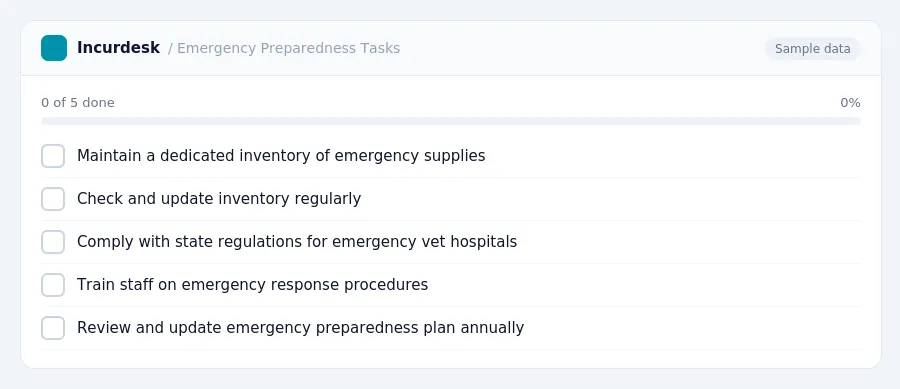
When it comes to emergency vet hospitals, preparedness is key. Here are some best practices to ensure compliance and minimize stress during critical situations:
First and foremost, maintain a dedicated inventory of emergency supplies, including:
- First-aid kits
- Transport carriers
- Fire extinguishers
- Flashlights
- Batteries
- Biohazard disposal materials
This will help you respond quickly and effectively in emergency situations. Make sure to check and update your inventory regularly.
As of June 2022, JAB Consumer Partners was subject to prior approval and notice requirements for future acquisitions of specialty and emergency veterinary clinics within 25 miles of existing JAB-owned clinics in certain states (California, Colorado, District of Columbia, Maryland, Virginia) for 10 years.
When it comes to payment, most US states allow veterinary clinics to require payment or a deposit before providing treatment. However, this may vary, so check with your state's laws for specific requirements.
Keeping this simple: Incurdesk keeps receipts and approvals in one place, which makes a written policy easier to follow. It is built for small veterinary teams. Try it free.
Stop losing 4+ hours a week
30-day free trial · No credit card · Setup in 15 minutes