
Allocating Overhead Costs to Service Lines
A practical, data-backed guide to controlling costs and automating expense workflows.
Small accounting businesses can allocate overhead costs to service lines using practical guidance, such as defining overhead, calculating overhead rates with appropriate allocation bases, and avoiding common pitfalls. To ensure accurate allocation, consider U.S. For the bigger picture, see our guide to accounting expense management for under $10/user (2026). For a complete overview, see our expense management guide.
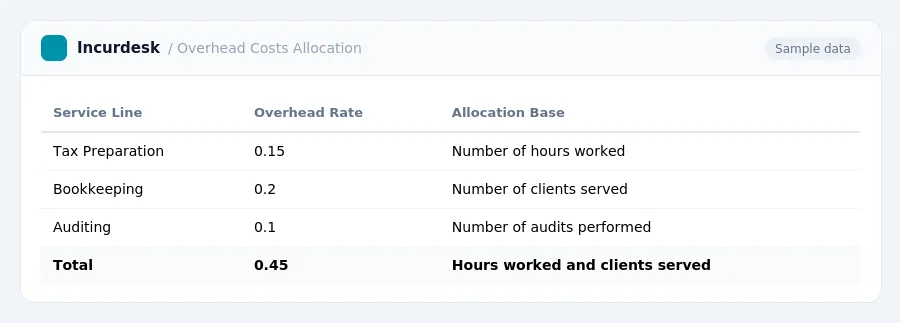
Defining Overhead Costs and Their Impact on Service Lines
Overhead costs are business expenses that support daily operations but do not directly generate revenue. Examples include rent, utilities, administrative salaries, insurance, and equipment maintenance.
These costs can be categorized as fixed, which remain the same each month, such as rent and insurance, or variable, which vary with activity levels, like advertising and overtime.
For manufacturing, U.S. GAAP requires fixed overhead to be allocated based on normal capacity, not actual output, to prevent distorted inventory costs during low production periods.
Professional service firms can distribute administrative costs across client engagements by using relevant overhead rates. Governments typically maintain a written cost allocation plan to document how overhead costs are allocated reasonably and equitably across funds and departments.
It's essential to understand that overhead costs are indirect costs incurred regardless of profit. They can significantly impact service line profitability, so it's crucial to accurately allocate these costs to each service line.
By accurately allocating overhead costs, you can gain a clearer understanding of each service line's profitability, which is essential for informed pricing and financial health.
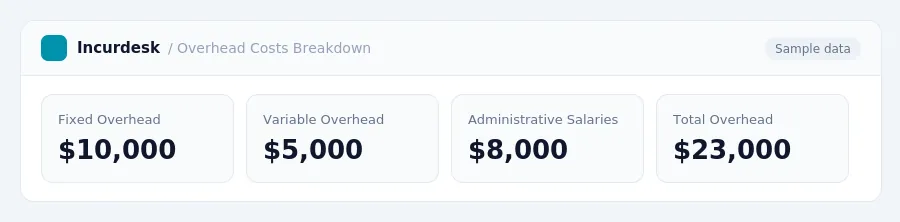
Calculating Overhead Rates and Choosing an Allocation Base
To calculate an overhead rate, divide estimated total overhead expenses by an estimated allocation base, such as direct labor hours, for a future period. This rate is then multiplied by the actual direct labor hours for each service line to allocate overhead.
When choosing an allocation base, consider the activities that drive overhead expenses. For instance, if overhead expenses are primarily related to direct labor, direct labor hours may be a suitable allocation base. However, if overhead expenses are related to machine usage, machine hours may be a better choice.
It's essential to regularly review and update the allocation base to ensure it accurately reflects the activities driving overhead expenses.
Avoiding Common Pitfalls in Overhead Allocation
When allocating overhead costs to service lines, it's easy to fall into common pitfalls that can lead to inaccurate allocations and poor financial decisions. Here are some potential issues to watch out for:
- Using a single companywide overhead rate can mask significant differences in cost drivers between service lines, leading to inaccurate profitability calculations.
- Choosing an allocation base without sufficient documentation can lead to disputes and difficulties in defending your allocation method.
- Using direct labor hours as the allocation base may not accurately reflect the true costs of service lines that don't rely heavily on direct labor, such as accounting and consulting services.
- Not considering indirect costs can result in an incomplete picture of overall profitability.
To avoid these pitfalls, make sure to:
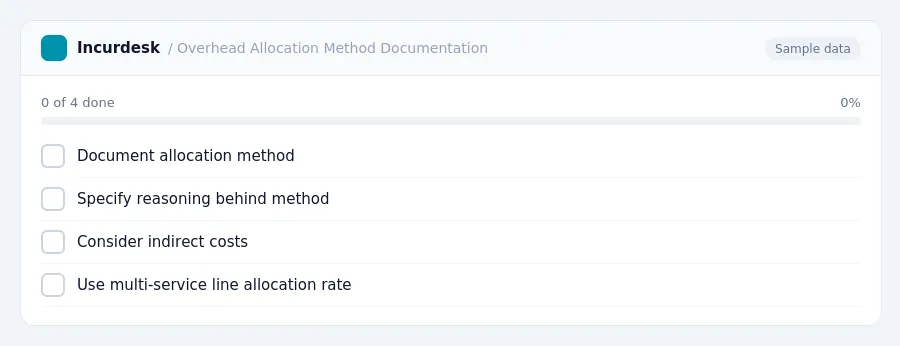
- Document your allocation method and the reasoning behind it.
- Use multiple allocation bases to capture different cost drivers.
- Consider the specific needs of each service line when choosing an allocation base.
- Include indirect costs in your allocation calculation.
U.S.
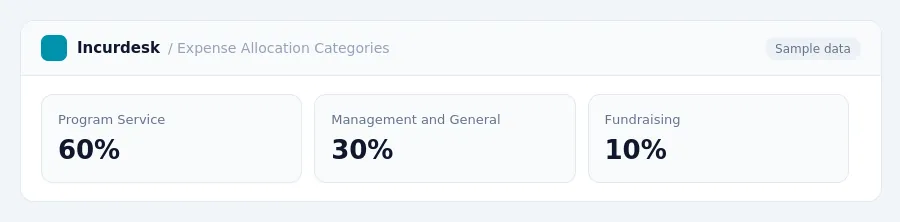
The Financial Accounting Standards Board (FASB) provides guidance on expense allocation, particularly for non-profits. According to FASB Guidance, non-profits must analyze expenses by nature and function, including program service, management and general, and fundraising expenses.
Businesses can include overhead in the cost of goods sold for products sold, but must meet specific requirements.
Separate business and personal expenses, and document all business-related receipts.
For non-profits, FASB guidance emphasizes the importance of accurate expense allocation.
Implementing Activity-Based Costing for More Precise Allocation
For small accounting businesses with complex operations, Activity-Based Costing (ABC) is an alternative method for more precise cost allocation. ABC focuses on identifying and tracking the costs associated with specific activities, such as client meetings, document preparation, and data entry.
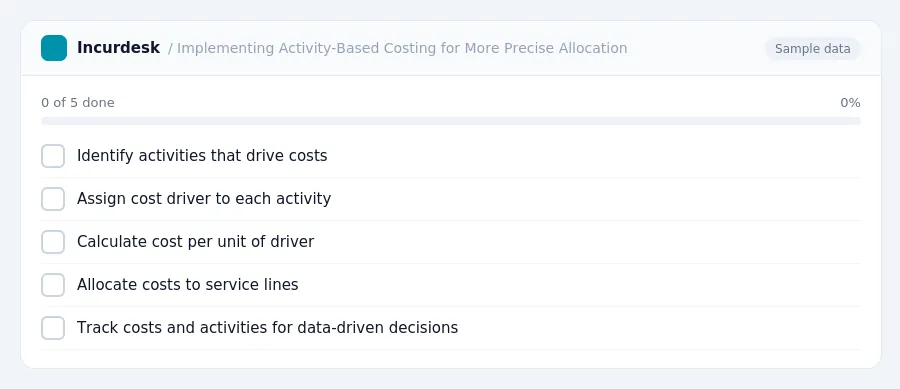
To implement ABC, start by identifying the activities that drive your costs. Then, assign a cost driver to each activity and calculate the cost per unit of the driver.
Next, allocate the costs to your service lines using the cost drivers. This approach provides a more accurate allocation of costs and allows for better pricing decisions.
ABC also enables you to identify and eliminate inefficiencies, such as unnecessary activities or overstaffing. By tracking costs and activities, you can make data-driven decisions to improve your operations and increase profitability.
Keeping this simple: Incurdesk turns submitted expenses into clean expense reports. It is built for small accounting teams. Try it free.
Stop losing 4+ hours a week
30-day free trial · No credit card · Setup in 15 minutes