
Board Financial Reporting for Small Museums
A practical, data-backed guide to controlling costs and automating expense workflows.
As an owner or office manager at a small museum or historical society, you need clear, actionable guidance on financial reporting to ensure transparency, maintain donor trust, and comply with legal requirements. This includes understanding federal and state filing obligations, proper accounting practices for nonprofit entities, and common pitfalls to avoid. To streamline expense management and improve financial visibility, consider implementing small museums or historical societies expense management software. For a complete overview, see our expense management guide.
Federal and State Filing Obligations for Small Museums
Small museums have various federal and state filing obligations to fulfill. Here are the key requirements to keep in mind:
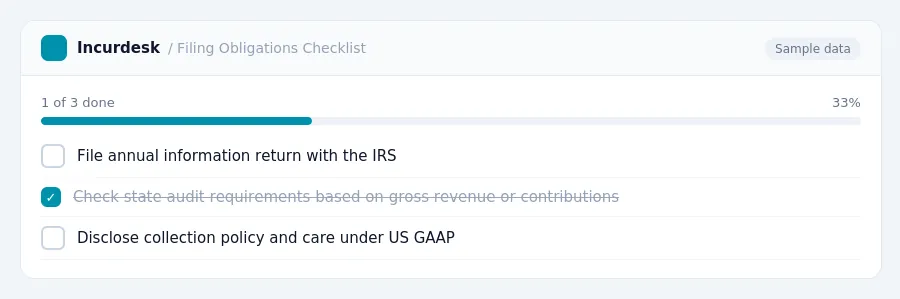
- Filing an annual information return with the IRS is mandatory for most tax-exempt nonprofits, including museums. The specific form (990-N, 990-EZ, 990, or 990-PF) depends on the organization's gross receipts, total assets, and type.
- State audit requirements vary significantly and are often based on gross revenue or contributions. For example, California's threshold has historically been around $2 million in gross revenue, while New York's has been around $1 million. These thresholds can change.
- Under U.S. GAAP (ASC 958-360), museums are permitted but not required to capitalize qualifying collections as assets. If collections are not capitalized, museums must still disclose their nature, the organization's policy for collections, how they are cared for, and the policy for using proceeds from deaccessions.
- The IRS requires 501(c)(3) organizations to maintain financial records for at least seven years from the filing date of the related tax return. Incorporation papers and IRS determination letters should be retained permanently.
- If a nonprofit has $1,000 or more in gross income from an unrelated trade or business, it must file Form 990-T and pay a tax rate of 21% on net unrelated business income.
It's essential to stay informed about these filing obligations to avoid penalties and maintain compliance. Check the IRS website and your state's tax authority for the most up-to-date information on filing requirements and deadlines.
Proper Accounting Practices for Nonprofit Entities
- Museums must classify net assets as either with donor restrictions or without donor restrictions.
- Net assets with donor restrictions are those that are restricted by donors for specific purposes.
- Net assets without donor restrictions are those that are available for use by the museum without donor-imposed restrictions.
When preparing the annual financial statements, consider the following:
- Ensure that all income and expenses are accurately recorded and reported.
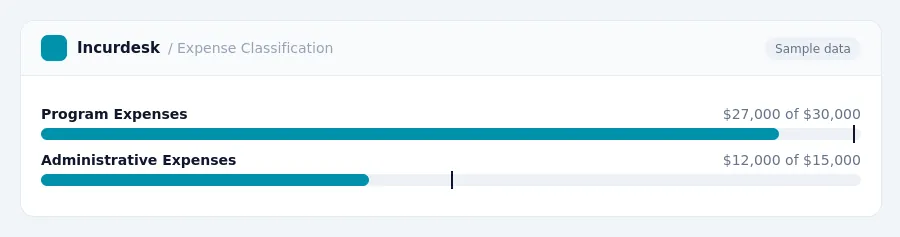
- Classify all expenses as either program expenses (directly related to the museum's mission) or administrative expenses (indirectly related to the museum's mission).
Common Pitfalls to Avoid in Financial Reporting
When it comes to financial reporting for small museums, there are several common pitfalls to avoid. Here are some key areas to be mindful of:
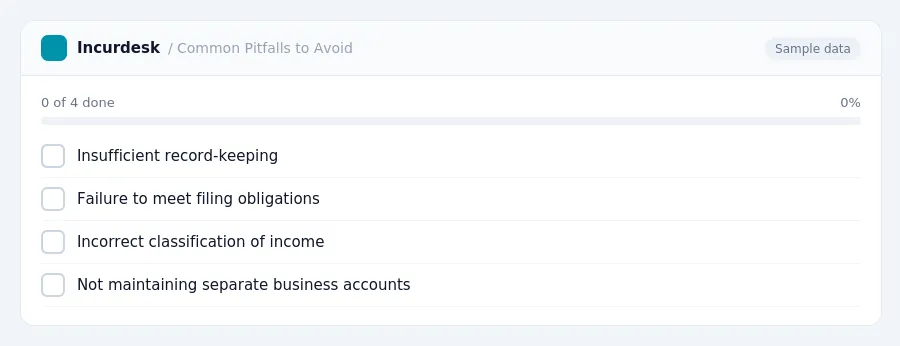
- Insufficient record-keeping: Ensure that all financial transactions are accurately recorded and properly documented. This includes receipts, invoices, and bank statements.
- Failure to meet filing obligations: In Florida, a financial review by an independent CPA is required for contributions between $500,000 and $1 million.
- Incorrect classification of income: Be sure to accurately classify all income, including grants, donations, and fundraising events. Failure to do so can result in incorrect tax obligations and penalties.
- The tax rate on net unrelated business income is 21%.
- Not maintaining separate business accounts: Keep your museum's business and personal accounts separate to avoid commingling funds and ensure accurate financial reporting.
Best Practices for Demonstrating Accountability and Securing Funding
As a small museum historical society, demonstrating accountability and securing funding are crucial to furthering your mission. To achieve this, follow these best practices:
- Provide clear and transparent financial reporting to your stakeholders, including donors, board members, and the public. This can be done through an annual report or a dedicated section on your website.
- Clearly explain your financial situation in your annual report, including any challenges or successes. Be honest and transparent about your financial position.
- Highlight your financial accomplishments in your annual report, such as fundraising goals met or exceeded, grant awards, and successful programs.
- Regularly review and update your budget to ensure it accurately reflects your financial situation and goals.
- Engage with your stakeholders to ensure they understand your financial situation and can provide support. This can be done through regular meetings, email updates, or social media.
Additionally, be mindful of the following:
- File Form 990-T
- Keep accurate and detailed financial records to ensure compliance with financial regulations and to support your financial reporting.
Staying Compliant with Regulatory Changes and Requirements
As a small museum historical society, it's essential to stay up-to-date on regulatory changes and requirements to avoid penalties and maintain your tax-exempt status. Here are some practical steps to help you stay compliant:
- Regularly review and update your bylaws and articles of incorporation to reflect any changes in your organization's structure or mission.
- Review your financial statements and tax returns for accuracy and completeness, and make sure to address any discrepancies or errors promptly.
- Keep detailed records of your governance and decision-making processes, including meeting minutes and resolutions.
- Consult with your auditor or accountant to ensure that your financial statements and tax returns are prepared in compliance with Generally Accepted Accounting Principles (GAAP) and tax laws.
Additionally, consider the following best practices:
- Establish a compliance committee or designate a compliance officer to oversee regulatory compliance.
- Provide regular training and education to your board and staff on regulatory compliance and tax laws.
- Conduct regular audits and risk assessments to identify potential compliance issues.
By following these steps and best practices, you can help ensure that your small museum historical society remains compliant with regulatory changes and requirements, and maintains its tax-exempt status.
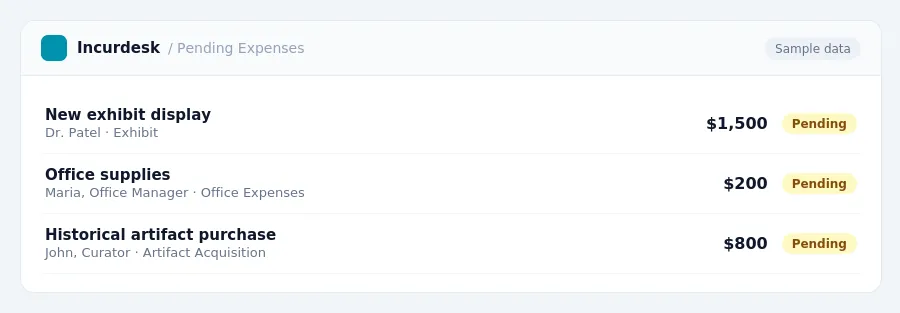
Keeping this simple: Incurdesk turns submitted expenses into clean expense reports. It is built for small small museum historical society teams. Try it free.
Stop losing 4+ hours a week
30-day free trial · No credit card · Setup in 15 minutes