
Budget Planning Basics for Critical Access Hospitals
A practical, data-backed guide to controlling costs and automating expense workflows.
For Critical Access Hospitals (CAHs) like yours, budget planning is crucial to maintaining financial stability in a challenging environment. By grasping these financial realities and regulatory landscape, you can make informed decisions to ensure your CAH remains financially stable. For the bigger picture, see our guide to expense management for hospitals.
Understanding Reimbursement Rates and Financial Pressures
Small hospital businesses, particularly Critical Access Hospitals (CAHs), face unique financial challenges.
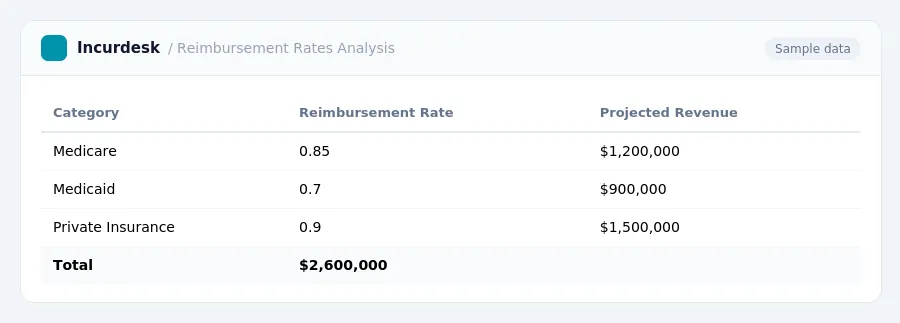
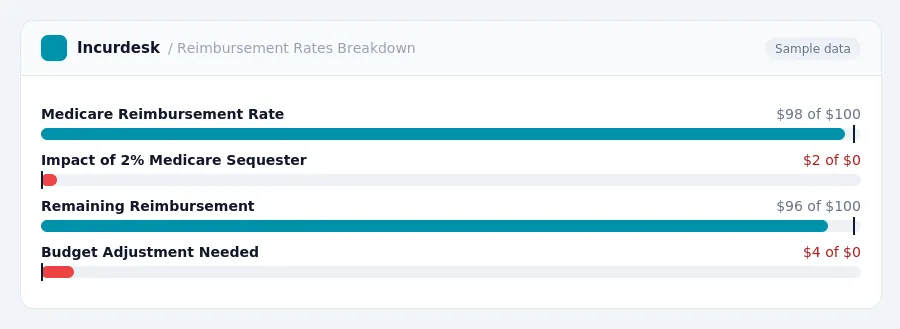
The financial landscape is further complicated by reimbursement rates. CAHs are reimbursed at 101% of reasonable costs for Medicare inpatient and outpatient services, but this rate is reduced by a standing 2% Medicare sequester, effectively bringing reimbursement to approximately 99% of costs.
- Review your current reimbursement rates and adjust your budget accordingly.
- Consider the impact of the 2% Medicare sequester on your reimbursement rates.
- Keep track of any changes to reimbursement rates and adjust your budget as needed.
Regularly review your financial statements and adjust your budget to ensure you are financially stable. Consider consulting with a financial advisor or accountant to ensure you are taking advantage of all available resources and staying within budget.
Navigating Cost-Based Reimbursement for CAHs
To navigate this cost-based reimbursement, CAHs must carefully track and document their expenses, as these costs will directly impact their reimbursement rates.
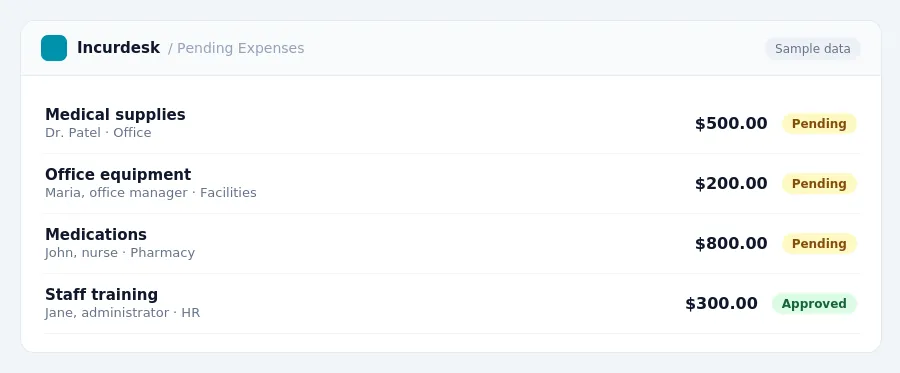
- Keep detailed records of all expenses, including supplies, equipment, and personnel costs.
- Ensure accurate and timely reporting of expenses to the Medicare program.
- Review and adjust budget allocations regularly to reflect changing costs and reimbursement rates.
Additionally, CAHs must comply with specific requirements to maintain their reimbursement rates, such as maintaining an average length of stay of 96 hours or less for acute care patients and providing 24/7 emergency care services.
CAHs should review state RHTP plans to explore potential funding sources and opportunities for growth and improvement.
By carefully tracking expenses, complying with reimbursement requirements, and exploring funding opportunities, CAHs can effectively navigate cost-based reimbursement and maintain financial stability in a challenging environment.
Managing Operational Expenses and Labor Costs
The healthcare staffing crisis is a significant challenge for Critical Access Hospitals (CAHs), particularly in rural settings. The global shortage of millions of workers, especially in nursing and primary care, can lead to increased overtime, reliance on contract staff, and higher labor costs.
To manage operational expenses and labor costs effectively, consider the following strategies:
- Monitor labor costs closely and adjust staffing levels as needed.
- Explore opportunities to reduce overtime and contract staff utilization.
- Implement cost-saving measures, such as adjusting shift schedules or implementing flexible staffing models.
- Consider partnering with local healthcare organizations to share resources and expertise.
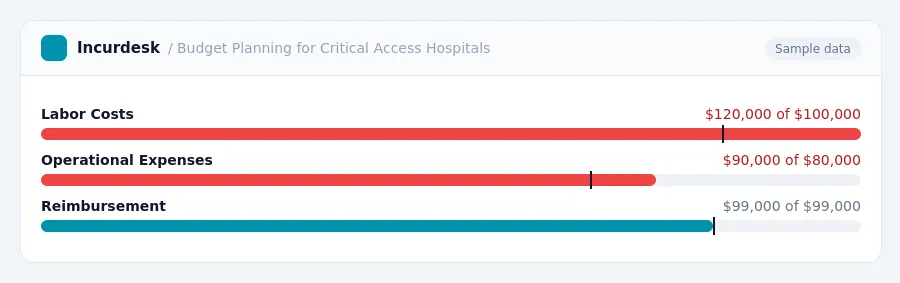
It's essential to regularly review your hospital's labor costs in relation to your reimbursement rates. As a CAH, you're reimbursed at approximately 99% of costs for Medicare inpatient and outpatient services, after the 2% Medicare sequester. This means that any unnecessary labor costs can directly impact your hospital's bottom line.
By closely managing operational expenses and labor costs, you can help maintain financial stability and ensure the long-term success of your CAH.
Strategies for Financial Stability in a Challenging Environment
Given the unique financial pressures and regulatory landscape of CAHs, it's essential to implement strategies that promote financial stability. Here are some practical steps to consider:
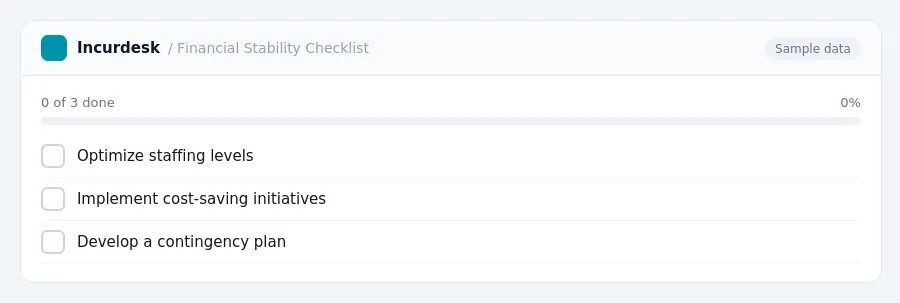
- Optimize staffing levels: With limited inpatient beds (25 or fewer), it's crucial to manage labor costs effectively. Regularly review staffing levels and adjust as needed to ensure efficient use of resources.
- Implement cost-saving initiatives: Identify areas where costs can be reduced without compromising patient care. This might include renegotiating contracts with vendors, streamlining supply chains, or exploring energy-efficient solutions.
- Develop a contingency plan: Prepare for potential funding changes and regulatory updates by having a plan in place. This should include identifying alternative revenue streams, exploring partnerships, and developing a strategy for managing financial risks.
- Monitor and adjust reimbursement rates: CAHs are reimbursed at 99% of costs for Medicare services. Regularly review and adjust your budget to account for any changes in reimbursement rates.
- Focus on value-based care: As reimbursement rates continue to shift, prioritize value-based care initiatives that promote high-quality, cost-effective patient care.
By implementing these strategies, CAHs can better navigate the challenges of the current healthcare landscape and maintain financial stability in the face of uncertainty.
Preparing for Regulatory Updates and Funding Changes
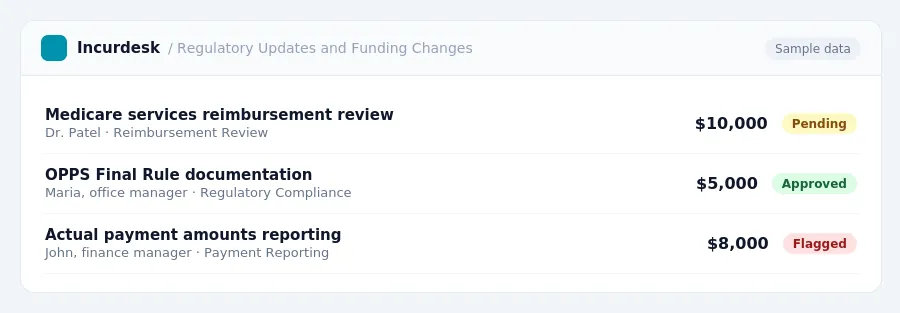
To maintain financial stability, it's essential for Critical Access Hospitals (CAHs) to stay informed about regulatory updates and funding changes. In 2026, the Centers for Medicare and Medicaid Services (CMS) introduced the OPPS Final Rule, which includes comprehensive updates to price transparency. As a result, hospitals are now required to report actual payment amounts and specific negotiated charge percentages.
Understand the requirements:
- Report actual payment amounts
- Specific negotiated charge percentages
For Medicare services, CAHs are reimbursed at 101% of reasonable costs, reduced by a 2% Medicare sequester, bringing reimbursement to approximately 99% of costs. Monitor these rates and be prepared for potential changes.
Take proactive steps:
- Stay up-to-date on CMS guidelines and updates
- Review and adjust your budget to reflect changes in reimbursement rates and regulatory requirements
- Consider consulting with a financial advisor or industry expert to ensure compliance with new regulations
Keeping this simple: Incurdesk collects every receipt and expense report in one place, so spending is easy to review. It is built for small hospital teams. Try it free.
Stop losing 4+ hours a week
30-day free trial · No credit card · Setup in 15 minutes