
Budgeting for Common Area Maintenance
A practical, data-backed guide to controlling costs and automating expense workflows.
Small property management businesses can accurately budget for common area maintenance (CAM) costs by understanding the typical expenses included, calculating tenant pro-rata shares, and being aware of various lease structures and tax regulations. Effective expense management for property management involves considering the unique needs of each property and adjusting budgets accordingly. By doing so, businesses can minimize potential pitfalls in CAM accounting and maintain accurate financial records. For a complete overview, see our expense management guide.
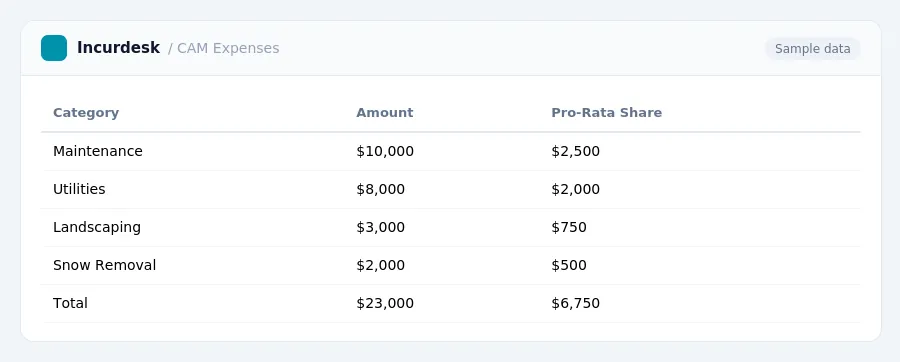
Understanding Common Area Maintenance (CAM) Charges
Common Area Maintenance (CAM) charges are fees commercial tenants pay on top of base rent to cover the cost of maintaining shared spaces like lobbies, elevators, parking lots, and common restrooms. These charges can vary significantly depending on the type of property and location.
- Lobby lighting, electricity and utilities
- Water for irrigation
- Landscaping
- Administrative fees
- Parking lot, sidewalk and driveway maintenance
- Janitorial services
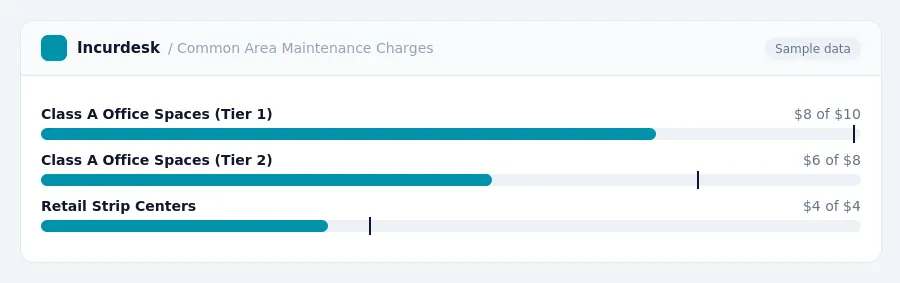
CAM charges for Class A office spaces in Tier 1 metropolitan areas typically range from $6 to $9 per square foot per year. For Class A office spaces in Tier 2 metros, typical CAM charges range from $4 to $7 per square foot per year. For retail strip centers, typical CAM charges are $2 to $5 per square foot per year, largely driven by shared parking lot costs.
Calculating Tenant's Pro-Rata Share of CAM Costs
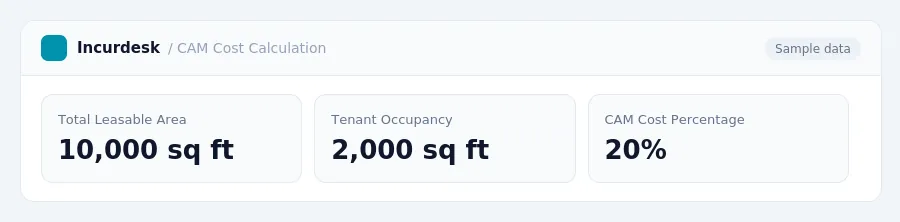
To calculate a tenant's pro-rata share of CAM costs, you'll need to know the percentage of the building's total leasable area that the tenant occupies. This is usually calculated as a percentage of the building's total square footage.
Gross Leases, which are commonly used in multifamily and residential leases, include all CAM costs within a single, fixed rent payment. This means that tenants pay a fixed rent that includes CAM costs, and the landlord is responsible for paying all CAM expenses.
When calculating a tenant's pro-rata share of CAM costs, be sure to use the total leasable area of the building and the tenant's actual occupancy to ensure an accurate calculation.
Common CAM Expenses and Lease Structures
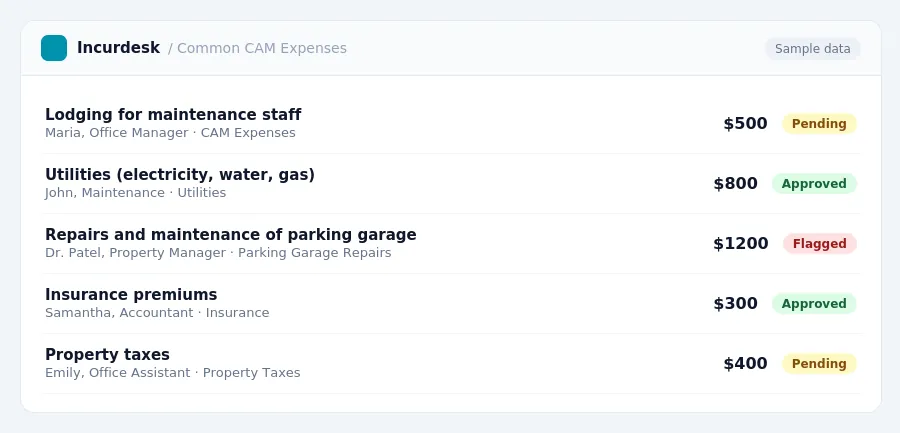
CAM charges can include a wide range of expenses, such as:
- Lodging, meals, and incidental expenses
- Utilities, such as electricity, water, and gas
- Repairs and maintenance of common areas, including parking garages and lobbies
- Insurance premiums
- Property taxes
When it comes to lease structures, there are two main types to consider:
- Double Net Leases: In a double net lease, the tenant pays a base rent, as well as a portion of the operating expenses, including CAM fees.
- Triple Net Leases (NNN): In a triple net lease, the tenant pays a separate share of operating expenses, including CAM, on top of the base rent.
This rate is used to calculate the tenant's share of these expenses.
When calculating the tenant's share of CAM costs, it's essential to review the lease agreement carefully to determine the specific expenses included and the tenant's pro-rata share.
Budgeting for CAM Costs: Tips and Considerations
When budgeting for CAM costs, consider the following tips and considerations:
Establish a regular review process to ensure your budget accurately reflects actual expenses. This will help you identify areas where costs can be reduced or optimized.
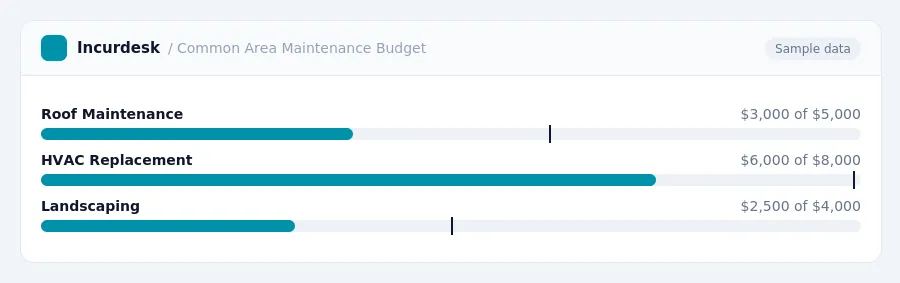
Consider implementing a reserve fund to cover unexpected expenses, such as roof repairs or HVAC replacements.
When negotiating leases, consider the impact of CAM charges on your tenants' budgets. Aim to provide a clear and transparent breakdown of CAM costs to avoid disputes.
Keep accurate records of CAM expenses and reconcile them with your budget regularly to ensure accuracy and compliance with tax regulations.
Review your budget regularly to ensure it is aligned with your business goals and objectives.
Managing CAM Accounting and Tax Regulations
Here are some key points to consider:
This form must be provided by January 31st of the following year.
However, the cost of CAM expenses must be reasonable and not excessive.
It's also essential to note that CAM-related expenses may be subject to sales tax, depending on the state and local laws. Employers should check with their state and local tax authorities to determine if sales tax is applicable to their CAM expenses.
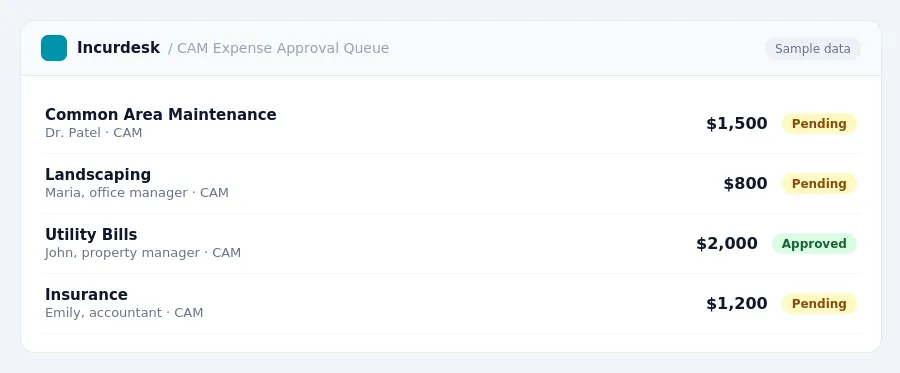
Keeping this simple: Incurdesk collects every receipt and expense report in one place, so spending is easy to review. It is built for small property management teams. Try it free.
Stop losing 4+ hours a week
30-day free trial · No credit card · Setup in 15 minutes