Budgeting for Fleet Maintenance and Tires
A practical, data-backed guide to controlling costs and automating expense workflows.
To manage logistics expenses effectively, it's essential to understand the costs associated with fleet maintenance. For a complete overview, see our expense management guide.
To accurately budget for fleet maintenance, it's crucial to consider the typical expenses, including replacement parts, labor costs, and any necessary repairs. For example, the average cost of replacing a tire can range from $20 to $100, depending on the type and quality of the tire. Additionally, labor costs can vary depending on the complexity of the repair and the technician's hourly rate.
When creating a budget, it's also essential to account for any potential maintenance costs that may not be immediately apparent, such as routine inspections and oil changes. For the bigger picture, see our guide to logistics expense management for under $10/user (2026).
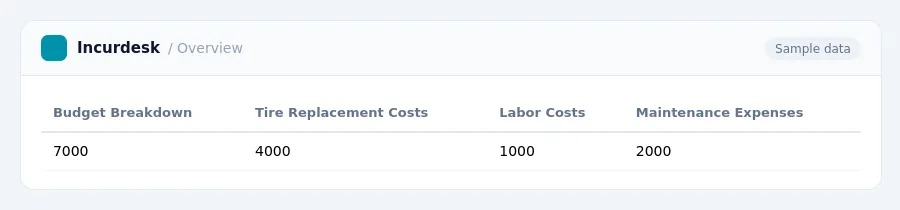
Budgeting for Fleet Maintenance and Tires
Maintenance typically represents 20% to 30% of total fleet operating expenses, making it a crucial aspect of fleet budgeting. This means that owners and office managers need to allocate a significant portion of their budget for maintenance-related expenses.
To accurately budget for fleet maintenance, it's essential to consider the following:
- Typical maintenance expenses can include oil changes, tire replacements, brake pad replacements, and other routine tasks.
When creating a budget for fleet maintenance, owners should regularly review their fleet's mileage, maintenance history, and operating conditions to ensure they are allocating sufficient funds for necessary repairs and replacements. By doing so, they can maintain a reliable fleet, reduce downtime, and minimize the risk of costly repairs.
To get started, owners can consult with a fleet maintenance professional or review industry reports to determine the average maintenance costs for their fleet. This will help them create a realistic budget that accounts for various expenses and ensures they are allocating sufficient funds for maintenance.
The rules in this guide
| Amount | Required | In Incurdesk |
|---|---|---|
| Above $75 | Itemised receipt | Checked on every expense |
| Above $250 | Written business purpose | Checked on every expense |
| Above $500 | Names of attendees | Checked on every expense |
| Above $5,000 | Senior sign-off; never auto-approved | Checked on every expense |
Each rule is checked on every expense by Incurdesk’s approval agent.
The rates vary by time period and purpose.
For the fourth three months, the rate increases to 76 cents per mile.
To budget for fleet maintenance, consider the following:
- Maintenance is typically 20% to 30% of total fleet operating expenses.
Maintenance and Repair Expenses
The cost of maintaining and repairing a fleet of vehicles is a significant expense for small logistics businesses. In 2026, the average repair and maintenance cost per mile is 21.5 cents.
To budget for maintenance and repair expenses, consider the following:
- The total average repair, maintenance, and tire cost in 2026 is approximately 26.5 cents per mile.
- To avoid under-budgeting for maintenance, it's essential to factor in routine maintenance tasks, such as oil changes, tire rotations, and brake replacements, which can significantly reduce overall costs.
- Regular vehicle inspections can help identify potential issues before they become major problems, reducing the need for costly repairs.
- Keep accurate records of maintenance and repair expenses to ensure you stay within budget and make informed decisions about your fleet's maintenance needs.
Tire Costs and Budgeting
The average tire cost in 2026 is 5 cents per mile. For light-duty vehicles, maintenance costs can range from $0.09 to $0.15 per mile. To accurately budget for fleet maintenance and tires, consider the following:
* The total cost of tires for a fleet can vary depending on the number of vehicles and the type of tires. A typical fleet may require 200-500 tires per year, depending on the number of vehicles and their usage. * The cost of tires can be broken down into several components: replacement costs, disposal costs, and disposal fees. Disposal costs can range from $10 to $50 per tire, depending on the type of tire and the level of environmental responsibility desired. * To budget for tire maintenance and disposal, consider the following steps: 1. Calculate the total number of tires for your fleet. 2. Estimate the average cost of replacement tires per mile. 3. Estimate the average cost of disposal tires per mile. 4. Calculate the total annual maintenance cost for your fleet. 5. Add the total annual maintenance cost to the total annual operating cost to get the total annual budget for fleet maintenance and tires.
Budgeting Pitfalls and Best Practices
For medium-duty vehicles, maintenance costs can range from $0.15 to $0.20 per mile. To ensure accurate budgeting, it's essential to account for these expenses. A common approach is to estimate maintenance costs based on the vehicle's age, mileage, and usage patterns. A general rule of thumb is to factor in 10% to 20% of the vehicle's cost to maintain, including labor and parts.
When creating a budget, consider the following steps:
- Research and gather data on maintenance costs for medium-duty vehicles in your industry.
- Calculate the average annual maintenance cost based on the vehicle's usage patterns and mileage.
- Factor in labor costs, including hourly rates and labor hours.
- Consider any additional expenses, such as fuel, insurance, and registration fees.
- Review and adjust the budget regularly to ensure it remains accurate and realistic.
It's also crucial to note that maintenance costs can vary depending on the vehicle's make, model, and age. For example, newer vehicles with advanced technology may require more frequent maintenance than older models.
To get a more accurate estimate of your fleet's maintenance costs, you can check the following resources:
- Industry reports and studies on fleet maintenance costs
- Government websites and regulations governing fleet maintenance and operating expenses
- Online forums and communities for logistics businesses sharing their experiences and best practices
By following these steps and considering the following benchmarks:
- (source: NOTES)
- A well-structured budget ensures operational reliability and cost-effectiveness.
Tax rules, limits and rates change. Confirm current figures with the IRS or your accountant before you file.
Keeping this simple: Incurdesk collects every receipt and expense report in one place, so spending is easy to review. It is built for small logistics teams. Try it free.
AI expense management for finance teams and whoever keeps the books. It checks every expense against your rules, approves the routine ones and chases missing receipts for you.
Try it free for 30 days →Stop losing 4+ hours a week
30-day free trial · No credit card · Setup in 15 minutes