
Commercial vs Residential Property Expense Tracking
A practical, data-backed guide to controlling costs and automating expense workflows.
To effectively manage expenses for property management, it's essential to understand the differences between commercial and residential properties. Accurate expense tracking is crucial for small property management businesses to ensure financial reporting is correct and to maximize tax deductions. By knowing which expenses are deductible and how they're categorized, you can optimize your expense management for property management and stay compliant with tax regulations.
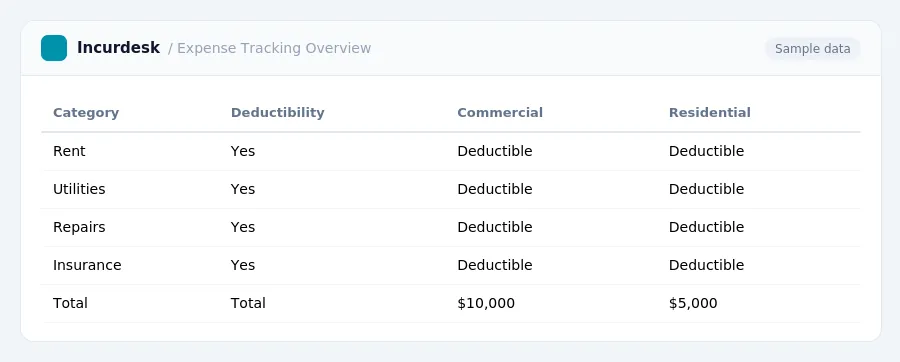
Distinguishing Commercial and Residential Property Expense Tracking
When it comes to expense tracking for commercial and residential properties, there are key differences that property owners and managers need to be aware of. Here are some key factors to consider:
Here's a comparison of commercial and residential property expense tracking:
| Property Type | Bonus Depreciation Eligibility | |
|---|---|---|
| Commercial | $4,090,000 (total cost threshold) | |
| Residential | $4,090,000 (total cost threshold) | Varies (check with the IRS) |
| Both |
By understanding these differences, property owners and managers can ensure accurate financial reporting and take advantage of available tax benefits.
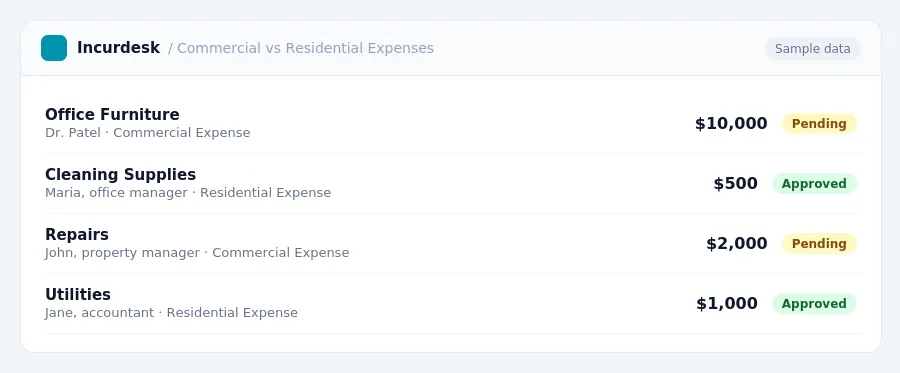
Tracking Expenses: Categorization and Deductibility
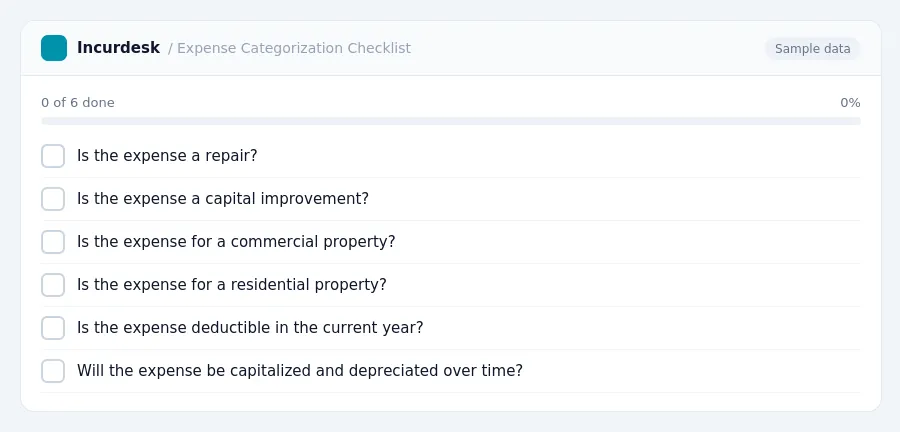
When tracking expenses for commercial and residential properties, it's essential to categorize them correctly to ensure deductibility and maximize tax benefits. Here's how to approach categorization and deductibility:
- Repairs are generally deductible in the current year, while capital improvements must be capitalized and depreciated over time.
- Capital improvements include upgrades that increase a property's value, prolong its useful life, or adapt it to a new use.
- Examples of repairs include:
- Replacing a roof or fixing a leaky faucet
- Painting or patching walls
- Replacing worn-out carpeting or flooring
- Examples of capital improvements include:
- Installing new windows or doors
- Adding a new deck or patio
- Upgrading to energy-efficient appliances
When in doubt, consult the IRS guidelines for determining what constitutes a repair versus a capital improvement. Accurate categorization is crucial for ensuring deductibility and maximizing tax benefits.
| Category | Commercial Property | Residential Property |
|---|---|---|
| Repairs | Deductible in the current year | Deductible in the current year |
| Capital Improvements | Capitalized and depreciated over time | Capitalized and depreciated over time |
Depreciation and Tax Benefits: Key Differences
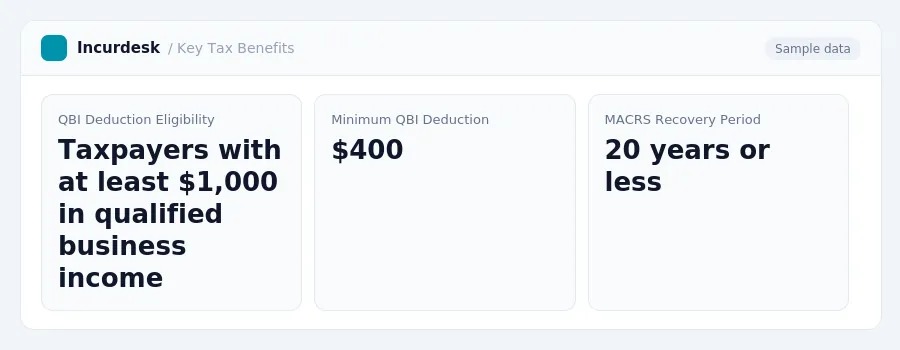
When it comes to depreciation and tax benefits, commercial and residential properties have distinct rules. This allows businesses to deduct the full cost of qualifying property, up to the limit, in the year it's acquired.
In addition, the Qualified Business Income (QBI) deduction applies to tax years beginning in 2026. Taxpayers with at least $1,000 in qualified business income from an active trade or business may claim a minimum QBI deduction of $400.
This applies to most tangible personal property with a MACRS recovery period of 20 years or less, including machinery, equipment, furniture, vehicles, and certain building improvements.
Operating Expenses and Repairs: What to Know
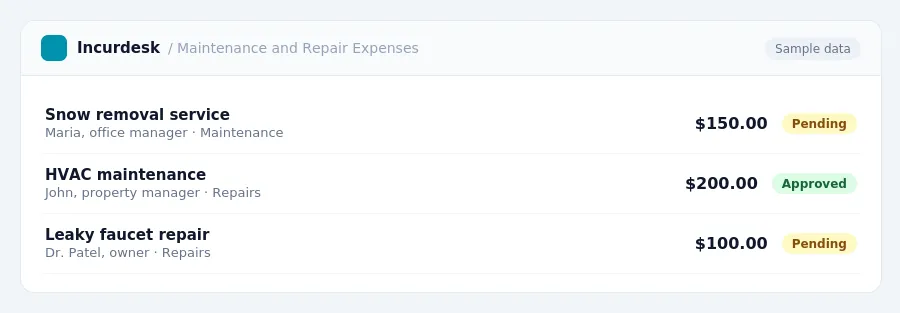
When it comes to operating expenses and repairs, there are key differences between commercial and residential properties. For commercial properties, tenants are often responsible for the "three nets": property taxes, insurance, and maintenance. This can include tasks like snow removal, landscaping, and HVAC maintenance. Commercial tenants may also be responsible for repairs to the property, such as fixing leaky faucets or replacing broken windows.
- Commercial tenants should keep detailed records of their maintenance and repair expenses, as these can be deductible on their tax returns.
- Residential property owners, on the other hand, are typically responsible for all maintenance and repair costs.
When it comes to repairs, it's essential to distinguish between repairs and improvements. Repairs are expenses that restore a property to its original condition, while improvements are expenses that increase the value of the property. For example, replacing a roof is a repair, while adding a new wing to a building is an improvement.
| Property Type | Responsibility for Maintenance and Repairs |
|---|---|
| Commercial | Tenants (often) |
| Residential | Owner |
For commercial properties, it's crucial to keep accurate records of maintenance and repair expenses, as these can impact tax deductions. For residential properties, owners should budget for regular maintenance and repairs to prevent costly surprises down the line.
Special Considerations for Commercial and Residential Properties
One key difference is the depreciation schedule, which varies depending on the type of property. Commercial properties are depreciated over a 39-year schedule, while residential properties have a 27.5-year schedule.
- Commercial properties: Depreciated over 39 years.
- Residential properties: Depreciated over 27.5 years.
It's also important to note that residential tenants typically pay for some or all of their utility costs, such as water, electricity, and gas. However, some leases may require them to cover all utility expenses.
- Residential tenants: May pay for some or all utility costs, depending on the lease.
It's essential to carefully review and understand the specific rules and regulations that apply to your property type to ensure accurate financial reporting and maximize tax deductions.
| Property Type | Depreciation Schedule |
|---|---|
| Commercial | 39 years |
| Residential | 27.5 years |
Keeping this simple: Incurdesk lets your team snap a photo of a receipt and fills in the details for you. It is built for small property management teams. Try it free.
Stop losing 4+ hours a week
30-day free trial · No credit card · Setup in 15 minutes