
Controlling Material Cost Overruns with Receipt Tracking
A practical, data-backed guide to controlling costs and automating expense workflows.
Small construction businesses with 5-50 employees need practical strategies to prevent and manage material cost overruns, which can be as high as 28% of the original budget, affecting nine out of ten construction projects. To stay on top of construction expense management for under $10/user (2026), owners and office managers should focus on implementing effective tracking systems for receipts and invoices, staying informed about relevant financial regulations, and monitoring rates that impact project budgeting and profitability. For a complete overview, see our expense management guide.
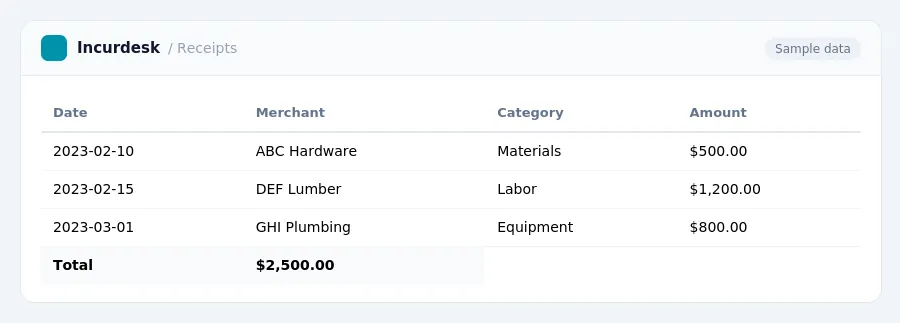
Common Pitfalls in Material Cost Estimation and Tracking
Small construction businesses often struggle with material cost overruns, which can have a significant impact on project profitability. To avoid these overruns, it's essential to understand the common pitfalls in material cost estimation and tracking.
For travel within the continental U.S. under the high-low substantiation method, the rate for high-cost localities is $329 per day (lodging, meals, and incidental expenses) and $230 per day for other localities, effective October 1, 2026, through September 30, 2027. The meals and incidental expenses (M&IE) portion for high-cost localities is $86, and for other localities, it's $74.
It's also essential to keep track of receipts and invoices to ensure accuracy in material cost estimation. However, human error can still occur.
The M&IE portion was $74 for high-cost localities and $64 for other localities.
Additionally, nine out of ten construction projects experience cost overruns, averaging 28% of the original budget. This highlights the importance of accurate material cost estimation and tracking to avoid such overruns.
By being aware of these common pitfalls and taking steps to mitigate them, small construction businesses can reduce the risk of material cost overruns and improve their overall profitability.
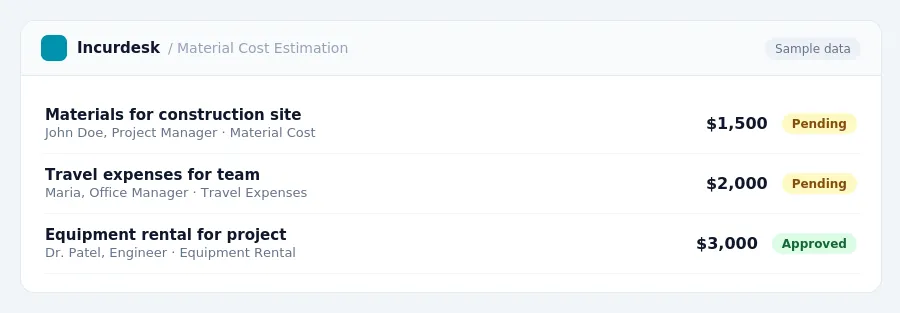
Implementing Effective Receipt and Invoice Tracking Systems
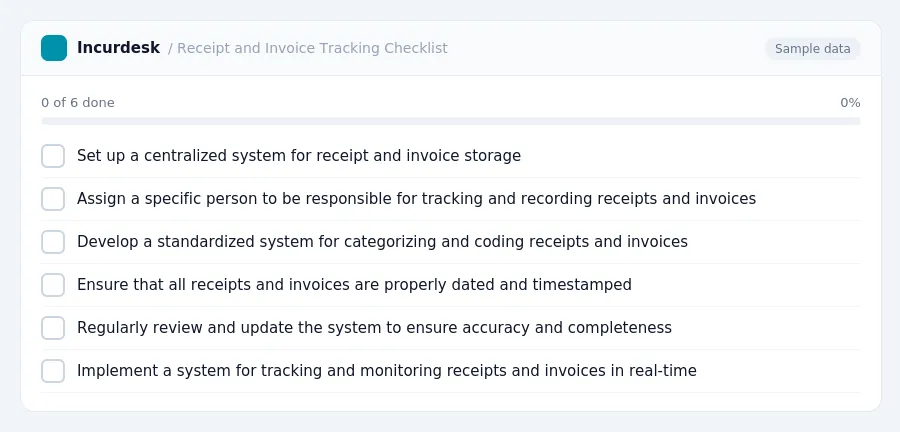
Accurate tracking of receipts and invoices is crucial for preventing material cost overruns. To achieve this, consider the following steps:
- Set up a centralized system for receipt and invoice storage. This can be a physical filing cabinet or a digital platform.
- Assign a specific person to be responsible for tracking and recording receipts and invoices.
- Develop a standardized system for categorizing and coding receipts and invoices.
- Ensure that all receipts and invoices are properly dated and timestamped.
- Regularly review and update the system to ensure accuracy and completeness.
It's also essential to implement a system for tracking and monitoring receipts and invoices in real-time. This can help identify any discrepancies or irregularities early on, allowing for prompt action to be taken.
By implementing an effective receipt and invoice tracking system, small construction businesses can minimize the risk of material cost overruns and stay on top of their finances.
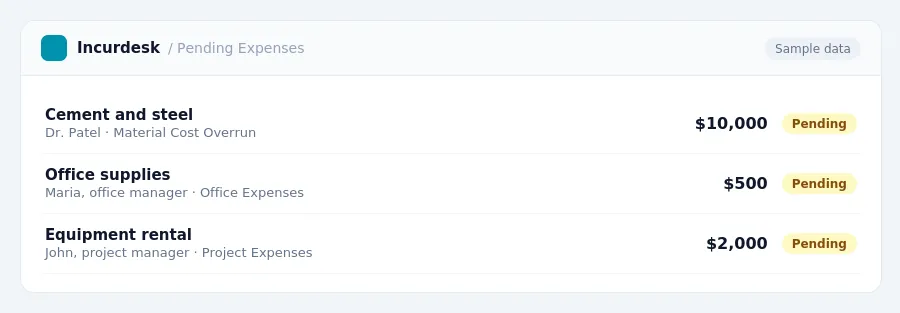
Understanding and Mitigating Hidden Process Failures
Hidden process failures can significantly impact your construction business's bottom line. These failures often arise from inadequate planning and execution, leading to material cost overruns. To mitigate this, consider implementing the following strategies:
- Use fixed-price supplier agreements to lock in costs and minimize price fluctuations.
- Monitor market trends to stay informed about price changes and adjust your purchasing accordingly.
- Order materials well in advance to avoid last-minute, high-cost purchases.
- Include inflation adjustment provisions in contracts for projects exceeding 12 months to account for rising costs.
These strategies can help you stay ahead of potential cost overruns. By being proactive and implementing effective processes, you can minimize the impact of these overruns and maintain a healthy profit margin.
Strategies for Controlling Project Schedule and Scope
Controlling project schedule and scope is crucial to preventing material cost overruns. Schedule slippage can lead to accumulated overhead, inflated labor costs, and idle equipment. To avoid this, set realistic deadlines and milestones, and establish a system for tracking progress and identifying potential delays. Unmanaged scope creep can also significantly impact the budget and schedule. To mitigate this, clearly define project scope and requirements, and establish a process for managing changes and updates.
Here are some practical steps you can take to control project schedule and scope:
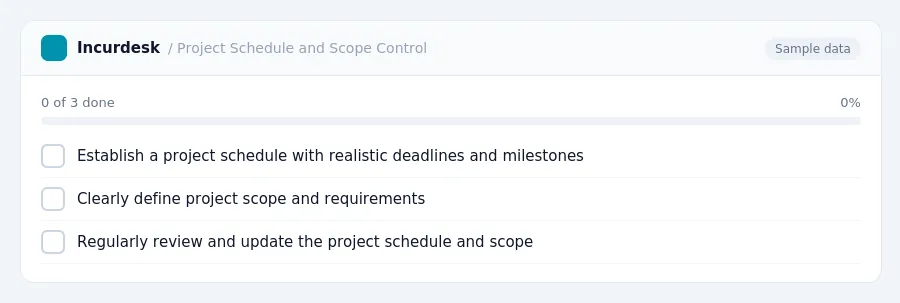
- Establish a project schedule with realistic deadlines and milestones.
- Clearly define project scope and requirements.
- Regularly review and update the project schedule and scope to ensure they remain aligned with project goals and objectives.
By taking these steps, you can help ensure that your project stays on track and within budget, reducing the risk of material cost overruns and improving overall project profitability.
Best Practices for Budgeting and Contingency Planning
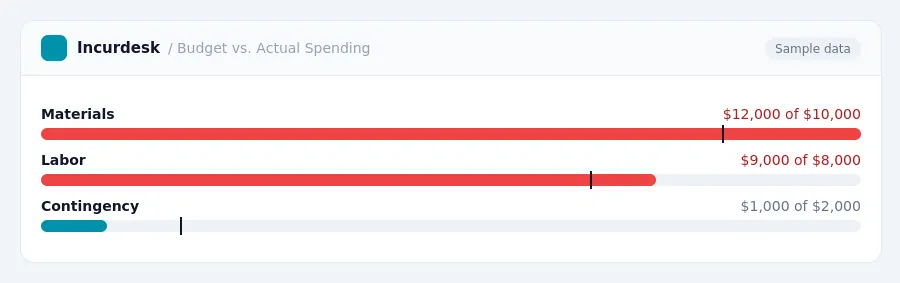
Accurate budgeting and contingency planning are crucial to preventing material cost overruns. A formal process for reviewing, approving, and documenting changes is necessary to control scope creep and ensure all cost impacts are accounted for.
When reviewing project changes, consider the following steps:
- Clearly document all changes, including the reason for the change and the expected cost impact.
- Obtain approval from all relevant stakeholders before proceeding with the change.
- Update the project budget and contingency plan to reflect the change.
This may involve:
- Reviewing the project schedule and scope to identify potential risks and opportunities.
- Updating the contingency plan to reflect changes in project scope, schedule, or budget.
- Verifying that all costs are accounted for and that the project remains on track to meet its budget and deadline.
Keeping this simple: Incurdesk collects every receipt and expense report in one place, so spending is easy to review. It is built for small construction teams. Try it free.
Stop losing 4+ hours a week
30-day free trial · No credit card · Setup in 15 minutes