
Controlling Orthodontic Bracket and Wire Inventory Costs
A practical, data-backed guide to controlling costs and automating expense workflows.
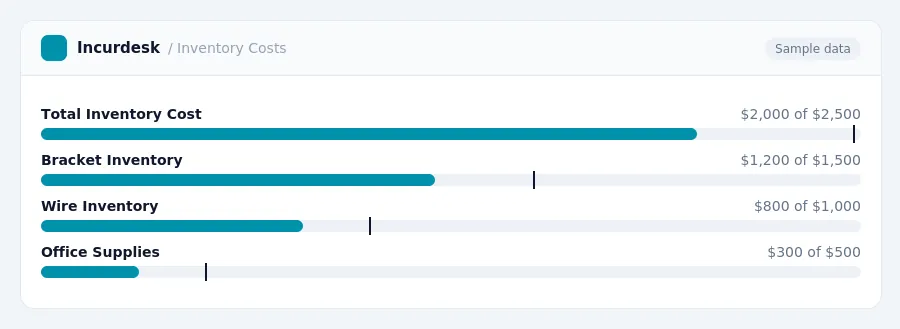
Small orthodontic practices can effectively manage their inventory of brackets, wires, and other supplies by understanding current tax regulations, implementing efficient tracking systems, and avoiding common pitfalls. By optimizing stock levels, reducing expenses, and leveraging orthodontic practices expense management software, practices can minimize unnecessary costs and waste, ensuring necessary supplies are always available without tying up excessive capital. Ideally, inventory costs, including office supplies, should not exceed 5-6% of collections.
Understanding Tax Regulations for Small Orthodontic Practices
As a small orthodontic practice, it's essential to understand the tax regulations that apply to your business. The Internal Revenue Code (IRC) has rules for inventory accounting that can be complex and time-consuming to manage.
Fortunately, eligible small businesses with average annual gross receipts not exceeding $32,000,000 for the preceding three-year period can avoid these complex rules under IRC Section 471. To determine if your practice qualifies, calculate your average annual gross receipts for the past three years and check if they meet this threshold.
Even if you don't qualify for the small business inventory exception, it's crucial to follow OSHA regulations for the safe storage of materials in healthcare settings. This includes maintaining cleanliness, temperature controls, and following manufacturer instructions for storing materials such as brackets, wires, and other supplies.
Remember, inventory costs should ideally be no more than 5-6% of collections, with office supplies not exceeding about 2%. Keep accurate records of your inventory levels and costs to ensure you're meeting these guidelines.

Implementing Efficient Tracking Systems for Brackets, Wires, and Supplies
Implementing an efficient tracking system for brackets, wires, and supplies is crucial to maintaining accurate inventory levels and minimizing waste. To start, determine which inventory accounting method is best for your practice. If you qualify, you can treat inventory as non-incidental materials and supplies (NIMS), deduct costs when paid or consumed, or conform to your applicable financial statement (AFS) or book records.
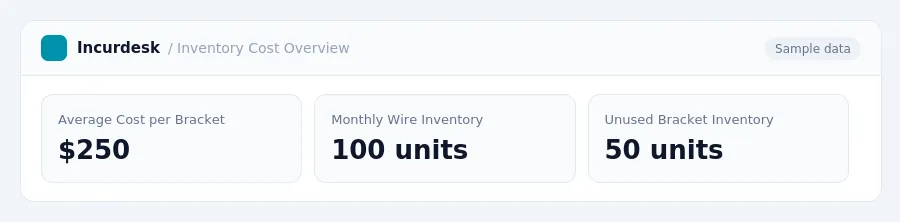
For a typical case, the cost of metal bands, brackets, and archwires can range from $150 to $350. To accurately track these costs, consider implementing a system that allows you to easily monitor inventory levels, track usage, and record expenses. This can be done using a combination of manual records and electronic tracking data.
To ensure compliance with regulations, verify your suppliers and maintain accurate records for six years. This will help you to identify any discrepancies in your inventory levels and make adjustments as needed.
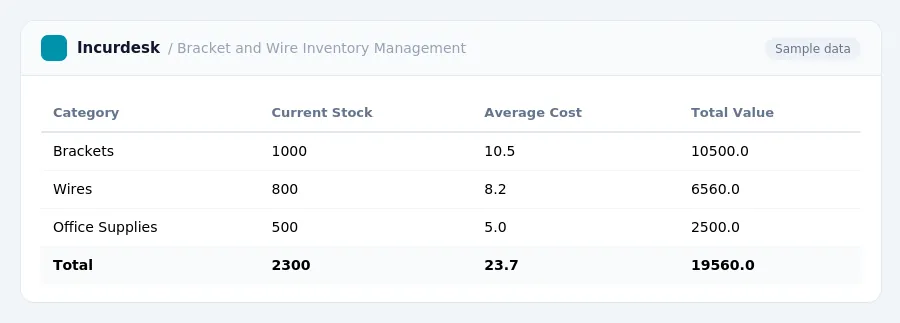
For example, you can use a spreadsheet to track your inventory levels and update it regularly. You can also use a table to record your expenses and track your costs over time.
Regularly reviewing your inventory levels and adjusting your tracking system as needed will help you to stay within these guidelines and ensure that your practice remains compliant with regulations.
Managing Inventory Levels to Optimize Stock and Reduce Expenses
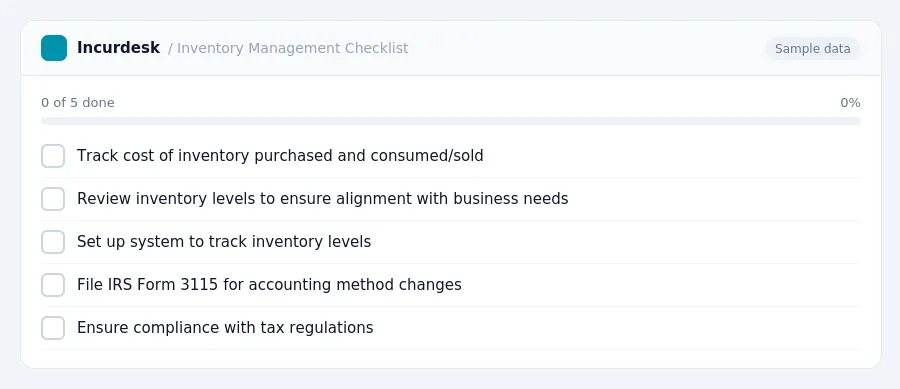
To maintain adequate records and optimize inventory levels, small orthodontic practices must track the cost of inventory purchased and when it was consumed or sold. This is crucial for substantiating average annual gross receipts.
Businesses qualifying for the inventory exception can avoid UNICAP rules, which generally require capitalizing inventory costs. To take advantage of this exception, practices must ensure they meet the necessary requirements.
When adjusting inventory accounting methods, practices must file IRS Form 3115, Application for Change in Accounting Method. This ensures compliance with tax regulations and avoids any potential penalties.
It's essential to regularly review inventory levels to ensure they align with business needs. This will help minimize unnecessary expenses and optimize stock levels.
To do this, practices can set up a system to track inventory levels, monitor consumption rates, and adjust stock accordingly. Regularly reviewing inventory levels will help practices identify areas for cost reduction and optimize their inventory management strategy.
For example, if a practice finds that a particular bracket or wire is consistently being overstocked, they can adjust their ordering quantities to better align with demand. By making these adjustments, practices can reduce waste, minimize unnecessary expenses, and optimize their inventory levels.
Avoiding Common Pitfalls and Minimizing Waste
When managing your orthodontic bracket and wire inventory, it's essential to avoid common pitfalls that can lead to unnecessary costs and waste. Here are some practical tips to help you minimize errors and optimize your inventory:
- Overstocking is a common mistake. Make sure to only order what you need, and consider the expiration dates of wires and supplies. Regularly review your inventory levels to avoid overstocking.
- Don't mix up bracket sizes. Double-check the sizes and types of brackets before ordering, and ensure that they match your patients' needs.
- Keep track of damaged or defective items. Regularly inspect your inventory for damaged or defective items and dispose of them properly to avoid contamination and waste.
- Monitor expiration dates of supplies. Regularly check the expiration dates of wires, adhesives, and other supplies to ensure that you're using the most effective and safe products.
- Consider the cost of storage space. Make sure that your inventory is stored in a clean, dry, and secure area, and consider the cost of storage space when calculating your inventory costs.
By following these tips, you can minimize waste, reduce costs, and optimize your inventory levels. Regularly review your inventory levels and adjust your ordering and storage practices accordingly to stay within these guidelines.

Best Practices for Inventory Control and Supply Chain Resilience
To maintain a resilient supply chain, consider incorporating safety stock alongside just-in-time inventory management. This approach helps mitigate supply chain volatility, ensuring that essential supplies are always available.
Monitor your inventory costs closely to ensure they remain within the recommended range of 5-6% of collections. For dental practices, office supplies should not exceed about 2% of collections. Regularly review your inventory levels to identify areas for improvement.
Consider implementing a system to track inventory levels, supplier lead times, and product usage. This information will help you optimize your inventory levels and make informed decisions about your supply chain.
Develop a contingency plan to address potential supply chain disruptions. Identify reliable suppliers, explore alternative sources, and maintain a list of emergency contacts. This proactive approach will help you respond quickly to unexpected events and minimize their impact on your practice.
Regularly review and update your inventory management strategy to ensure it remains effective. This may involve adjusting your inventory levels, suppliers, or inventory tracking system. By staying vigilant and adaptable, you can maintain a resilient supply chain that supports the needs of your practice.
Consider setting aside a small portion of your inventory budget to maintain a safety stock of essential supplies. This will help you weather unexpected supply chain disruptions and ensure that your practice remains operational.
Keeping this simple: Incurdesk collects every receipt and expense report in one place, so spending is easy to review. It is built for small orthodontic practice teams. Try it free.
Stop losing 4+ hours a week
30-day free trial · No credit card · Setup in 15 minutes