
Controlling Project Overruns with Expense Tracking
A practical, data-backed guide to controlling costs and automating expense workflows.
Controlling project overruns is crucial for small architecture businesses to maintain profitability and deliver projects on time. To achieve this, owners and office managers can implement effective expense tracking methods, such as utilizing architecture expense management for under $10/user (2026), to stay on top of costs. By doing so, they can reduce the likelihood of cost overruns and ensure that their projects are completed within budget.
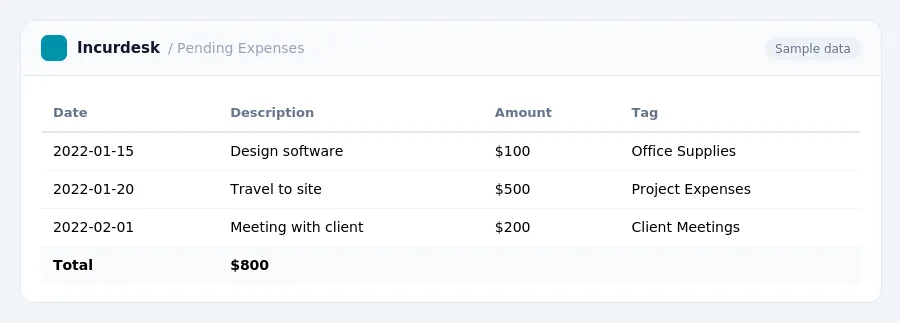
Understanding the Risks of Project Overruns in Architecture Businesses
When it comes to architecture businesses, project overruns can be a significant threat to profitability and reputation. To minimize the risk of cost overruns, it's essential to understand the common pitfalls that can lead to them. Here are some practical strategies to help you identify and mitigate potential risks.
First, be aware that approximately 85% to 90% of construction projects globally experience cost overruns. This statistic highlights the importance of effective project management and cost control.
To get started, take a close look at your business's current project pipeline. Identify the projects that are most likely to experience cost overruns, based on factors such as complexity, scope, and previous project performance.
Next, assess your team's experience and expertise in managing similar projects. If your team lacks experience in a particular area, consider hiring a consultant or partnering with a more experienced firm to mitigate potential risks.
Additionally, review your project budgets and contingency plans to ensure they are realistic and adequate. Make sure to allocate sufficient funds for unexpected expenses and changes in project scope.
Finally, establish a clear communication plan with your clients and stakeholders to ensure that everyone is aware of the project's progress and any potential risks or issues that may arise.
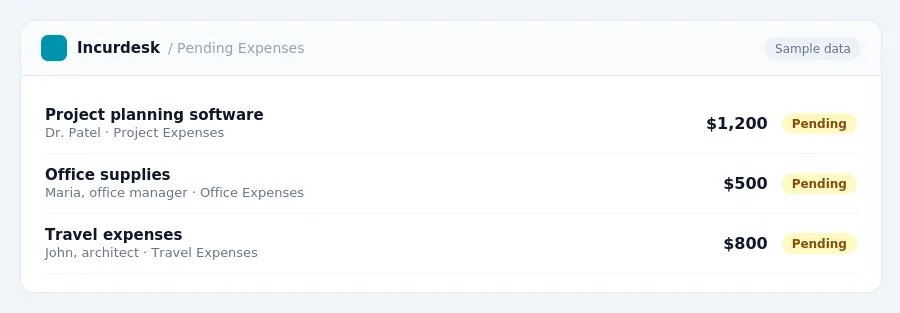
Common Causes of Cost Overruns in Architecture Projects
Cost overruns in architecture projects can occur due to various reasons. One significant factor is the failure to accurately estimate project costs, including travel expenses.
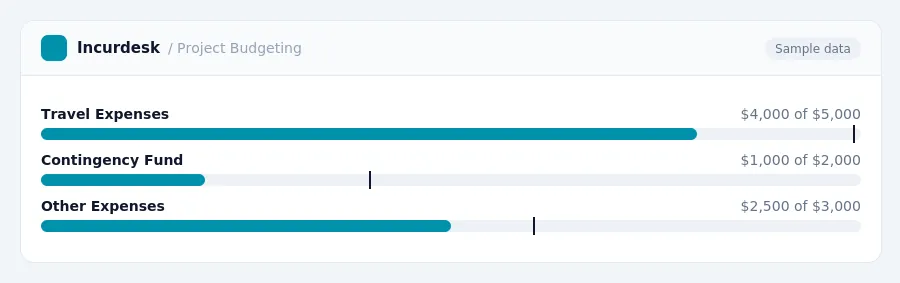
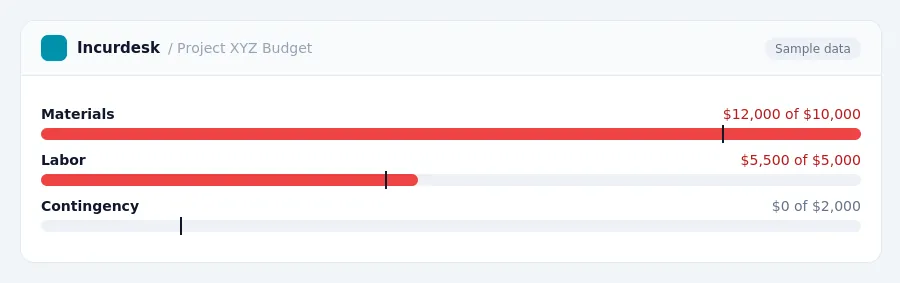
Another common cause of cost overruns is the failure to manage project contingencies effectively. It's essential to set aside a portion of the project budget for contingencies, which can account for unexpected expenses or changes in project scope.
By doing so, architecture businesses can better manage project budgets and avoid costly surprises.
When estimating project costs, consider the following:
Effective Expense Tracking Methods for Architecture Firms
Using specialized project management software can help architecture firms track expenses more effectively. These tools often include features such as phase-based budgeting, real-time cost tracking, and profitability analysis. For example, tools like BQE CORE, Scoro, and Monograph offer these features, allowing firms to manage project finances more effectively.
To track expenses effectively, architecture firms should:
- Set up phase-based budgeting to track costs against specific project milestones
- Use real-time cost tracking to monitor expenses as they occur
- Run regular profitability analysis to identify areas for cost savings
To minimize the risk of cost overruns, architecture firms should use software that allows them to track expenses in real-time and make adjustments as needed.
When selecting a software tool, architecture firms should consider the following factors:
- Ease of use and integration with existing systems
- Customization options to fit the firm's specific needs
- Scalability to accommodate growing project volumes
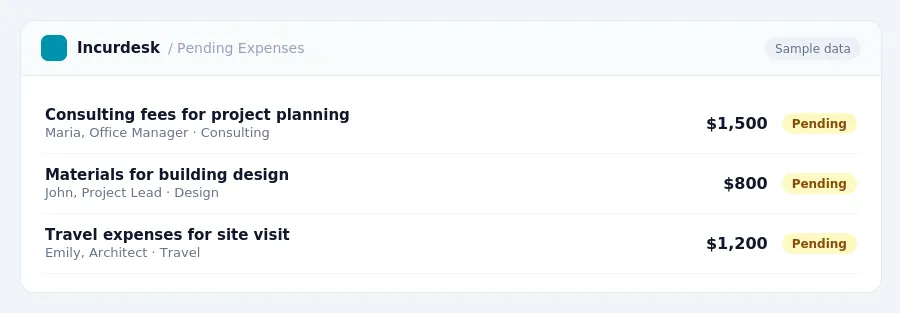
Best Practices for Managing Project Contingencies and Budgets
Establishing a clear budget and contingency plan is crucial for managing project overruns in architecture businesses. Here are some best practices to consider:
- Set realistic project budgets that account for potential risks and uncertainties. Consider factors such as material costs, labor costs, and potential changes to project scope.
- Allocate a contingency fund to cover unexpected expenses.
- Regularly review and update project budgets to ensure they remain realistic and aligned with project progress.
- Communicate clearly with clients about project costs and any changes to the budget or contingency plan.
- Monitor project expenses closely and address any deviations from the budget promptly.
By following these best practices, you can minimize the risk of project overruns and ensure successful project delivery.
It's also essential to regularly review and update your company's project management processes to ensure they remain effective and aligned with industry best practices.
Staying Compliant with Financial Regulations and Rates in Architecture Businesses
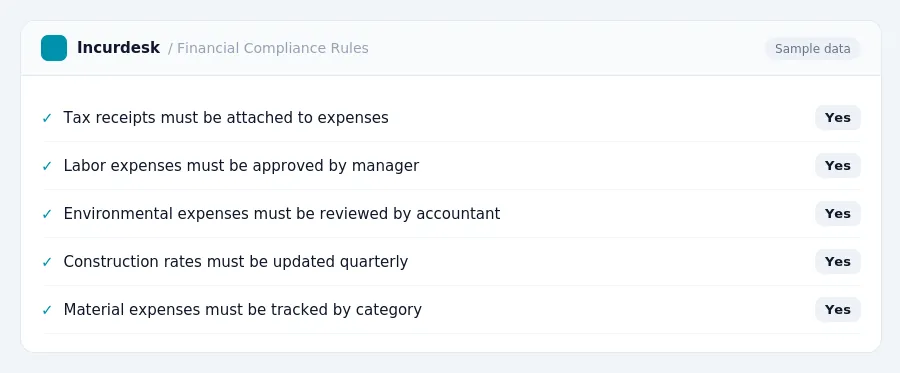
To maintain compliance, it's essential to stay informed about relevant financial regulations and rates. This includes understanding the local and national laws governing architecture businesses, such as those related to tax, labor, and environmental regulations.
- Regularly review and update your knowledge of financial regulations to ensure compliance.
- Consult with a financial advisor or attorney to ensure your business is meeting all necessary regulatory requirements.
- Keep accurate and detailed records of all financial transactions, including invoices, payments, and receipts.
- Use accounting software to track and manage your finances, including expenses, income, and cash flow.
It's also crucial to understand the rates and fees associated with architecture projects, such as those related to construction, materials, and labor.
- Research and understand local and national construction rates, including labor costs and material prices.
- Use rate databases or online resources to stay up-to-date on current rates and fees.
- Consider factors such as inflation, seasonality, and regional variations when estimating project costs.
By staying informed and compliant with financial regulations and rates, you can reduce the risk of project overruns and ensure the long-term success of your architecture business.
Keeping this simple: Incurdesk collects every receipt and expense report in one place, so spending is easy to review. It is built for small architecture teams. Try it free.
Stop losing 4+ hours a week
30-day free trial · No credit card · Setup in 15 minutes