
Corporate Cards for Dental Practices: Worth the Risk
A practical, data-backed guide to controlling costs and automating expense workflows.
Using corporate credit cards for expense management for dental practice can be a convenient way to streamline payments and simplify accounting, but it's essential to weigh the benefits against the risks. The American Dental Association recommends that dental practices adopt a comprehensive expense management system, which may include the use of corporate credit cards.
Tax Implications of Corporate Credit Cards for Dental Practices
The tax implications of corporate credit cards for dental practices are complex and vary by state.
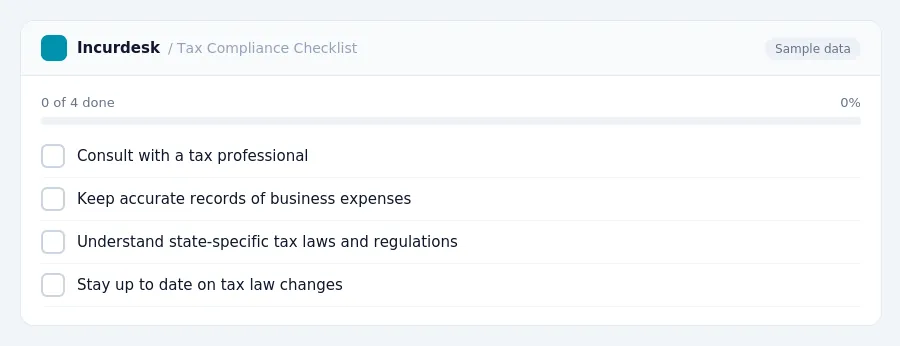
This will help you to minimize your tax liability and maximize your refund. Be sure to consult with a tax professional to ensure that you are in compliance with all applicable tax laws and regulations.
- Keep accurate records of business expenses, including receipts and invoices.
- Consult with a tax professional to ensure compliance with tax laws and regulations.
- Understand the specific tax laws and regulations in your state, such as California's rules regarding bonus depreciation.
It's also important to note that the tax laws and regulations are subject to change, so be sure to stay up to date on any changes that may affect your business.
Keeping this simple: Incurdesk lets your team snap a photo of a receipt and fills in the details for you. It is built for small dental practice teams. Try it free.
Practical Considerations for Dental Practices Using Corporate Credit Cards
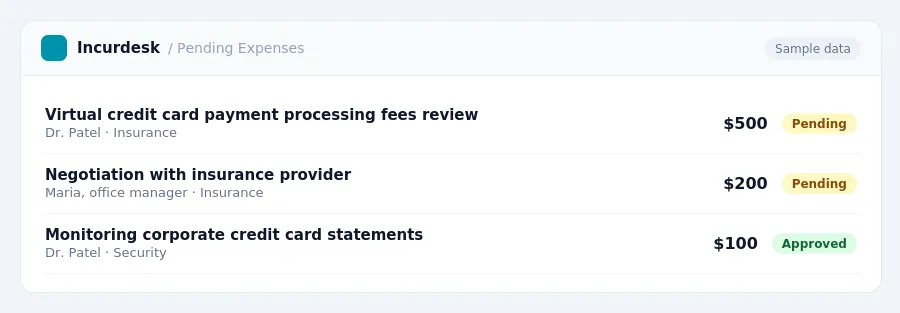
When considering corporate credit cards for your dental practice, several practical considerations come into play. To minimize risks, you should review and understand your insurance contracts. Virtual credit card payments from insurers often come with high processing fees that reduce net collections and can increase embezzlement risk.
To mitigate these risks, consider the following steps:
- Request detailed breakdowns of all fees associated with virtual credit card payments.
- Review your insurance contracts to ensure you understand the terms and conditions.
- Consider negotiating lower processing fees with your insurance providers.
However, you should also consider the impact of bonus depreciation on your tax liability.
Finally, be sure to monitor your corporate credit card statements regularly to detect any suspicious activity. This will help you quickly identify and address any potential embezzlement risks.
Benefits of Corporate Credit Cards for Dental Practices
Corporate credit cards can be a valuable tool for small dental practices, offering several benefits that can help streamline finances and reduce administrative tasks.
- .
- .
- Clear disclosure of surcharges is required. Surcharges must be disclosed clearly and cannot be applied to debit or prepaid cards, as per the 2026 rules on credit card surcharging.
- .
By taking advantage of these benefits, dental practices can simplify their financial management and reduce costs.
Risks and Limitations of Corporate Credit Cards for Dental Practices
While corporate credit cards can offer numerous benefits to dental practices, there are also risks and limitations to consider.
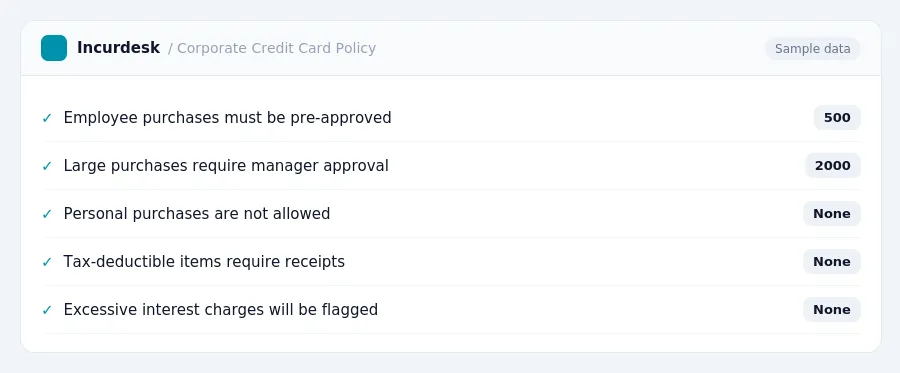
- Lack of Control**: When employees have access to corporate credit cards, there is a risk that they may make unauthorized or reckless purchases, which can negatively impact your practice's finances.
- Interest Charges**: If you don't pay your balance in full each month, you'll be charged interest on your purchases, which can add up quickly.
- Tax Implications**: If you're not careful, using corporate credit cards can lead to tax complications, especially when it comes to larger dental supply items.
For example, if you purchase a large dental supply item, such as a chair or X-ray machine, you'll need to follow specific rules to deduct it on your tax return.
Case Studies and Best Practices for Dental Practices Using Corporate Credit Cards
When implementing corporate credit cards in your dental practice, consider the following case studies and best practices:
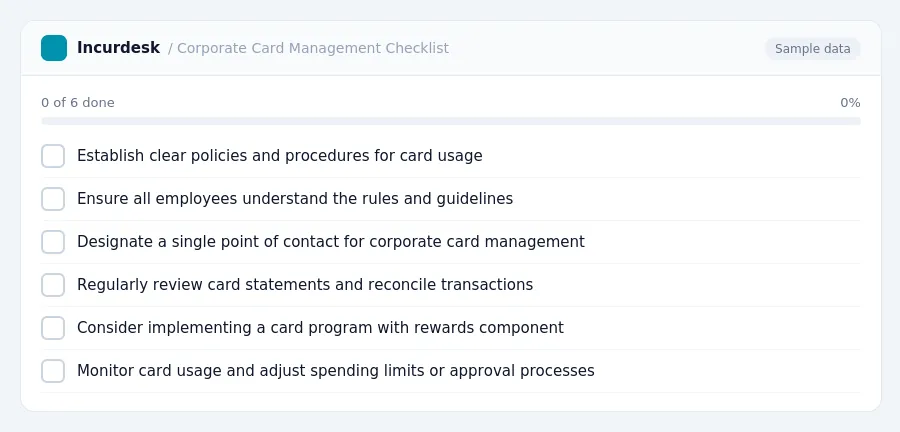
Establish clear policies and procedures for card usage, including approval processes and spending limits. Ensure all employees understand the rules and guidelines to avoid misuse.
Designate a single point of contact for corporate card management to simplify reconciliation and reduce administrative tasks. This person can also handle disputes and address any issues that arise.
Regularly review card statements and reconcile transactions to ensure accuracy. This will help identify any discrepancies or errors, and prevent unnecessary fees.
Consider implementing a card program with a rewards component, such as cashback or travel points, to incentivize employees to use the corporate card for business-related expenses.
Monitor card usage and adjust spending limits or approval processes as needed to maintain control and prevent overspending.
Tax rules, limits and rates change. Confirm current figures with the IRS or your accountant before you file.
Stop losing 4+ hours a week
30-day free trial · No credit card · Setup in 15 minutes