
Cost Control for Small Real Estate Brokerages
A practical, data-backed guide to controlling costs and automating expense workflows.
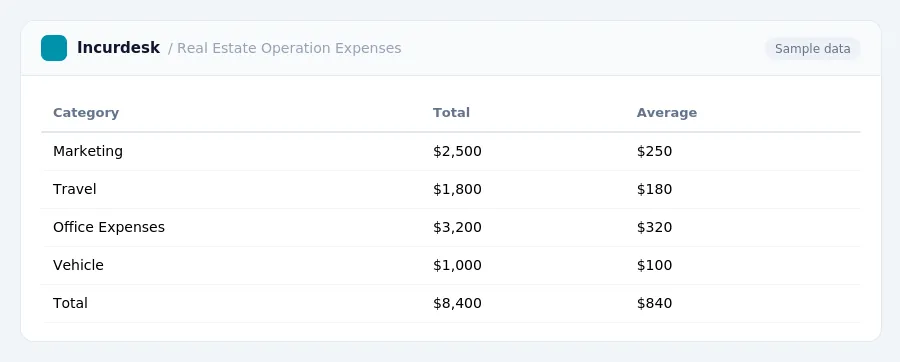
Small real estate businesses can effectively manage their operating expenses and improve profitability by implementing practical cost control strategies. With real estate expense management for under $10/user (2026), business owners can identify areas for reduction and optimize their budget. By understanding tax regulations and avoiding financial pitfalls, small real estate brokerages with 5-50 people can reduce their operating expenses and maintain a strong competitive position in the market.
Understanding Tax Implications for Small Real Estate Brokerages
Understanding tax implications for small real estate brokerages is crucial to avoid costly mistakes and optimize profitability. As a pass-through entity, your brokerage's profits are taxed at your individual income tax rates, ranging from 10% to 37% for 2026. To minimize tax liabilities, it's essential to accurately track business income and expenses.
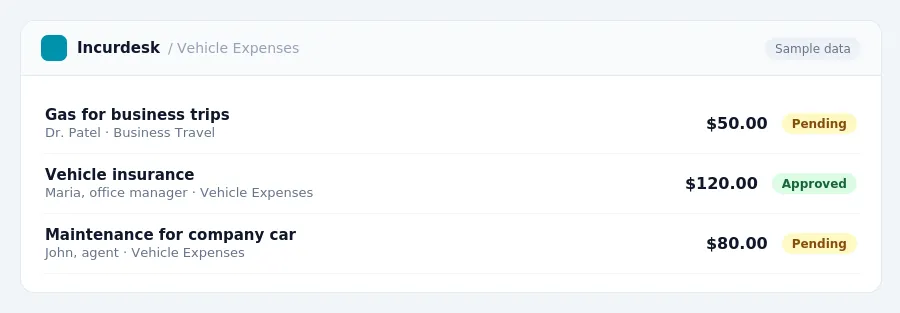
When it comes to vehicle expenses, real estate agents can deduct more than just mileage. In 2026, you can deduct actual vehicle expenses, such as gas, maintenance, and insurance, if you itemize deductions on your tax return. Keep accurate records of these expenses to take advantage of this deduction.
To ensure you're taking advantage of all available tax deductions, consult with a tax professional or accountant who is familiar with the real estate industry. They can help you navigate tax laws and regulations, including deadlines for filing tax returns and reporting business income.
Remember, accurate record-keeping is key to minimizing tax liabilities and maximizing profitability. Keep all business-related receipts, invoices, and bank statements organized and easily accessible for tax preparation.
Identifying Cost-Saving Opportunities in Real Estate Operations
Cost management for small real estate brokerages requires more than just reducing expenses. It also involves leveraging automation and data to optimize operations. According to the Technology and Automation for Cost Control (2026) report, cost management relies on automation and data, not just budget cuts.
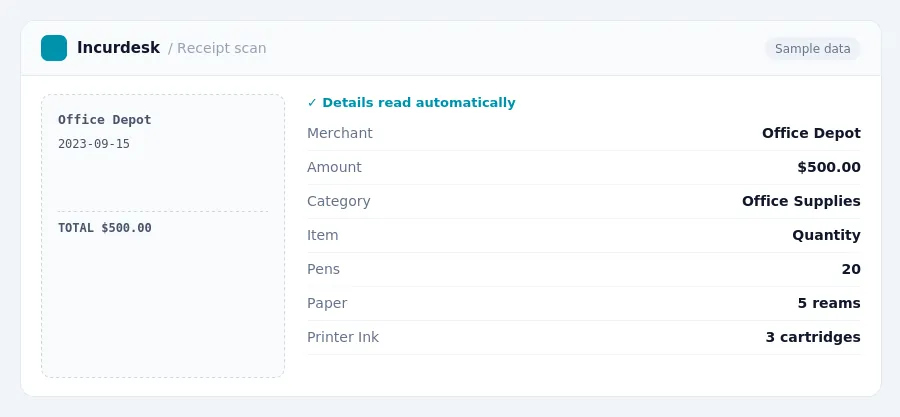
To identify cost-saving opportunities, start by reviewing your office supplies and equipment. Real estate agents can deduct office supplies, including paper, pens, and printer ink, as business expenses. Be sure to keep receipts and records of these expenses, as they can help reduce your taxable income.
Consider implementing a system to track and manage your supplies, so you can avoid over-ordering and minimize waste. This can be done manually or through the use of software that can help you stay organized and on top of your expenses.
Another area to explore is your staffing and labor costs. Look for opportunities to cross-train employees or adjust your staffing levels to meet changing business needs. This can help you reduce labor costs and improve efficiency.
Finally, review your utility bills and look for ways to reduce your energy consumption. This can include switching to energy-efficient lighting and equipment, or adjusting your work schedule to take advantage of off-peak hours.
Managing Vehicle and Home Office Expenses
As a small real estate brokerage owner or manager, you need to carefully manage vehicle and home office expenses to minimize your tax liability. Here are some practical tips to help you do so.
Vehicle Expenses:
- Keep accurate records of business-related mileage, including the date, destination, and purpose of each trip.
- Use a log or spreadsheet to track your mileage and calculate the total miles driven for business purposes.
- Keep receipts for fuel, maintenance, and other expenses related to your vehicle.
Home Office Expenses:
- For the actual expense method, calculate the portion of your home expenses (rent, mortgage interest, utilities, etc.) that can be attributed to your home office.
Pass-through entities, such as sole proprietorships and S-corps, can deduct home office expenses on their individual tax returns, which are taxed at rates ranging from 10% to 37% for 2026.
Optimizing Marketing and Advertising Expenses
As a small real estate brokerage, marketing and advertising expenses can quickly add up. To optimize these costs, consider the following strategies:
Take advantage of tax deductions for professional fees, including MLS dues, license fees, and association memberships, such as the National Association of Realtors (NAR). These fees are deductible for real estate agents in 2026.
Tracking Expenses: Keep accurate records of all marketing and advertising expenses to ensure you can claim the maximum deductions allowed.
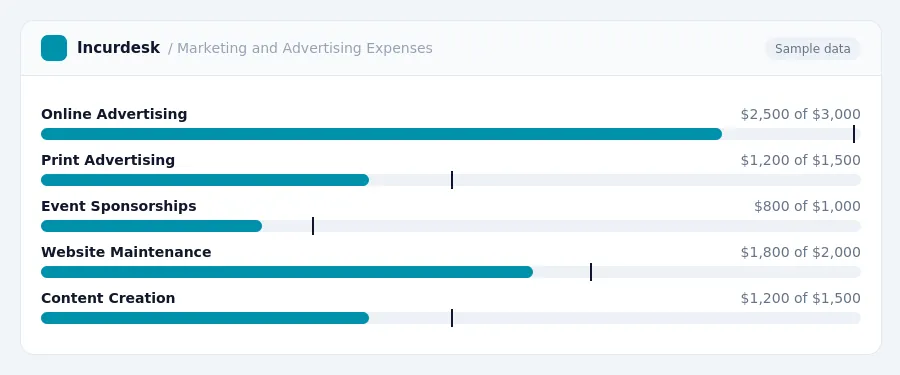
Category Breakdown: Categorize your expenses into separate accounts, such as:
- Online advertising (e.g., Google Ads, social media ads)
- Print advertising (e.g., flyers, brochures)
- Event sponsorships
- Website maintenance and design
- Content creation (e.g., blog posts, videos)
Annual Review: Review your marketing and advertising expenses annually to identify areas where costs can be reduced or optimized.
Pass-through entities, such as sole proprietorships, partnerships, and S-corps, have profits taxed at the owner's individual income tax rates, which range from 10% to 37% for 2026. Be sure to consult with a tax professional to ensure you are taking advantage of all available deductions and credits.
Implementing Cost-Effective PropTech Solutions for Efficiency
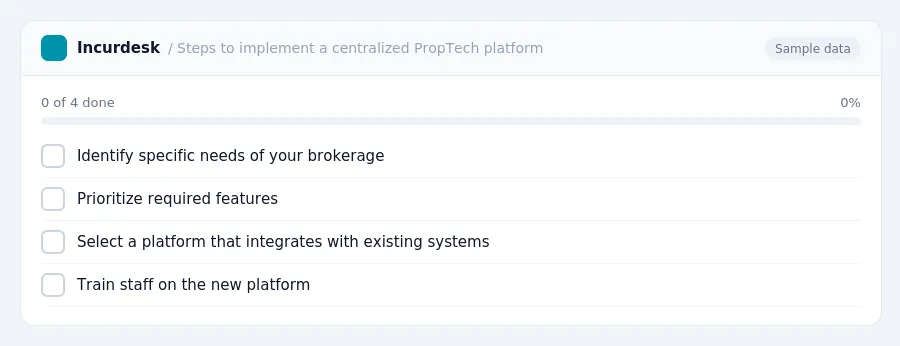
A centralized PropTech platform can unify CRM, PMS, finance, and reporting to maximize efficiency. According to Technology and Automation for Cost Control (2026), such a platform can streamline operations and reduce administrative tasks. To implement a centralized platform, first, identify the specific needs of your brokerage and prioritize the features you require. Then, select a platform that integrates with your existing systems and provides user-friendly interfaces for your staff. Finally, train your staff on the new platform to ensure a smooth transition.
Smart building IoT sensors can automate HVAC and energy management for efficiency. These sensors can be installed in buildings to monitor and control temperature, lighting, and other systems. To take advantage of these sensors, first, assess your energy usage patterns and identify areas for improvement. Then, install the sensors and configure them to optimize energy consumption. Finally, review the data generated by the sensors to make data-driven decisions and adjust your energy management strategies accordingly.
Keeping this simple: Incurdesk collects every receipt and expense report in one place, so spending is easy to review. It is built for small real estate teams. Try it free.
Stop losing 4+ hours a week
30-day free trial · No credit card · Setup in 15 minutes