
Crew Purchases at Supply Stores: Approvals and Receipts
A practical, data-backed guide to controlling costs and automating expense workflows.
For small construction businesses with 5-50 employees, proper record-keeping is crucial for substantiating crew purchases at supply stores and ensuring that business expenses are properly deductible. To simplify construction expense management for under $10/user (2026), it's essential to understand the documentation requirements, including rules for receipts, per diem rates, and mileage reimbursements. This knowledge will help you avoid potential penalties from the IRS and maintain accurate financial records. For a complete overview, see our expense management guide.
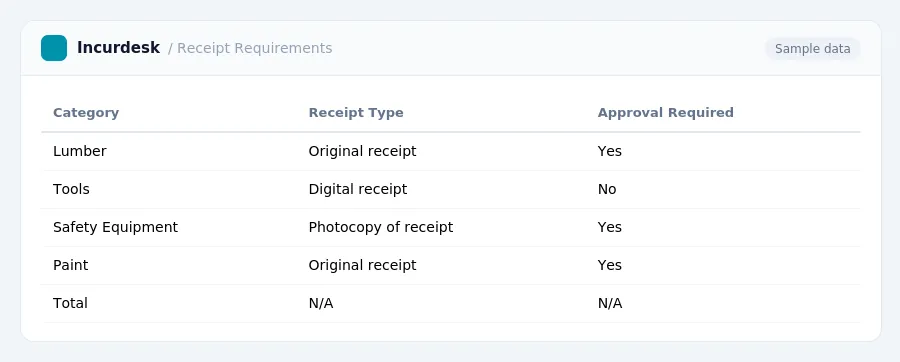
Receipt Requirements for Crew Purchases
When making crew purchases at supply stores, it's essential to keep accurate records to substantiate expenses for tax purposes. The IRS requires that you maintain documentary evidence for business expenses, but there are some exceptions.
For business expenses under $75, you don't necessarily need a receipt, but you must still record the business purpose, date, and location of the expense in your ledger.
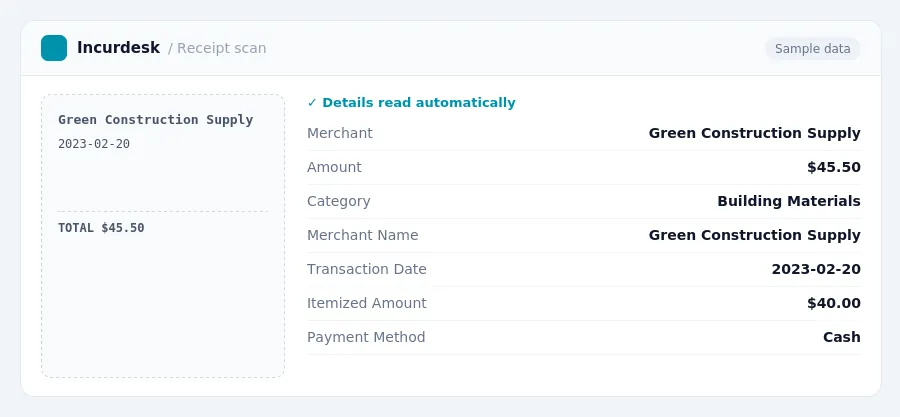
- A valid receipt must include:
- The merchant name and location
- The transaction date
- Itemized amount (not just the total for meals and lodging)
- The payment method
Make sure to review your receipts carefully and ensure they meet these requirements. Keep your receipts in a safe place, either physically or digitally, and make sure they're easily accessible in case of an audit.
This will help you stay organized and ensure that you can substantiate your expenses if needed.
Per Diem Rates and Mileage Reimbursements
For other localities within the continental U.S.
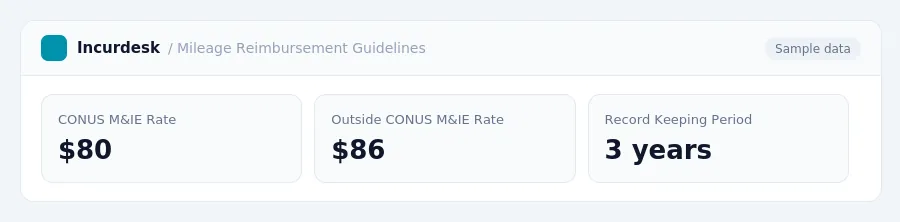
- Special M&IE rates are $80 for CONUS.
- Special M&IE rates are $86 for outside CONUS.
When reimbursing crew members for mileage, be sure to keep accurate records of the miles driven, including the date, starting and ending points, and the purpose of the trip.
Keep these receipts on file for at least three years in case of an audit.
Document Retention Periods and Record-Keeping Best Practices
When it comes to retaining records for crew purchases, it's essential to follow the guidelines set by the IRS. Employment tax records, for example, must be kept for a period of four years. To be on the safe side, consider retaining records for a longer period of seven years.
Here are some best practices to keep in mind:
- Keep all receipts, invoices, and bank statements related to crew purchases in a safe and organized manner.
- Store digital records securely, using a password-protected system or cloud storage.
- Label and date all physical records, and store them in a fireproof safe or locked cabinet.
- Consider scanning physical records and storing them digitally to free up physical storage space.
Remember to regularly review and update your records to ensure accuracy and completeness.
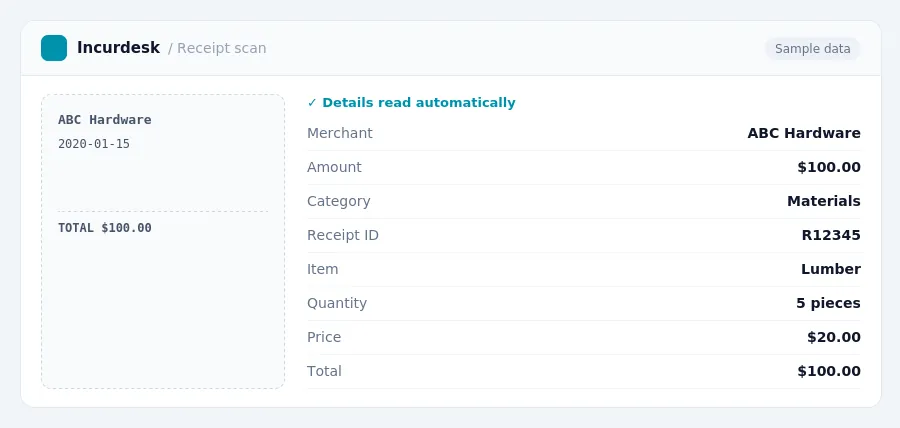
For example, if you have a crew purchase from January 1, 2020, you should keep the related records until January 1, 2024, or seven years from the date of the purchase, whichever is longer.
Table: Document Retention Periods
State-Specific Exemptions and Regulations
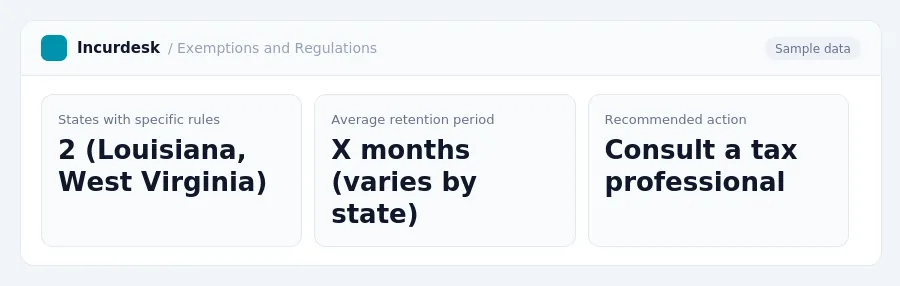
Sales tax exemptions for construction materials and services vary significantly by state. To determine if your business qualifies for exemptions, check with your state's tax authority. For example, Louisiana has specific rules for sales tax exemptions on public projects, and West Virginia has specific rules for sales tax exemptions on public school facilities.
Be aware that specific state laws or industry regulations might impose longer retention periods for certain documents. For instance, in Louisiana, you may need to retain records for a certain period to claim sales tax exemptions on public projects. Similarly, in West Virginia, you may need to retain records to claim exemptions on public school facilities.
While the IRS provides general guidelines, state-specific regulations can be complex. Consult with a tax professional or attorney to ensure you're meeting all state-specific requirements. Keep accurate records of all purchases, including receipts and documentation, to substantiate expenses and claim exemptions as needed.
For more information on state-specific exemptions and regulations, contact your state's tax authority or consult with a tax professional. They can help you navigate the complexities of state-specific laws and ensure your business is in compliance.
Accountable Plans and Tax-Deductible Expenses
When it comes to deducting crew purchases on your tax return, having an accountable plan in place is crucial. This plan ensures that business expenses are properly substantiated, and employees are reimbursed for expenses in a timely manner.
For expenses of $75 or more, detailed receipts are necessary. Make sure to keep these receipts on file, as they will be used to substantiate the expense.
When it comes to record retention, most business records should be kept for at least three years from the date of filing the tax return.
For incidental expenses, such as meals and lodging, the rate is $5 per day. This rate applies to expenses incurred for overnight stays, and can be used to calculate the total expense without requiring a detailed receipt.
Keep in mind that some states have specific exemptions and regulations that may affect your tax-deductible expenses.
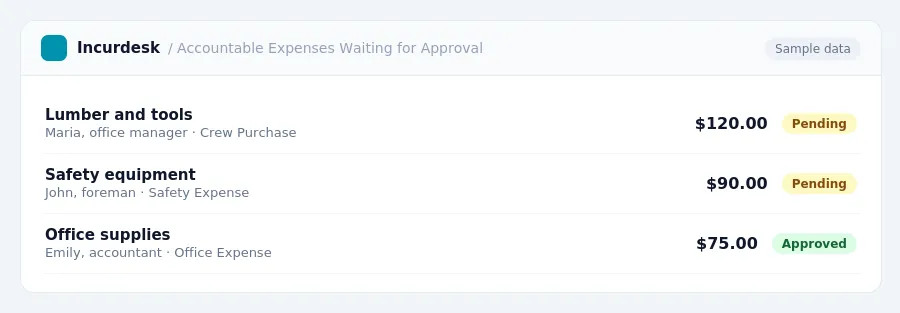
Keeping this simple: Incurdesk routes each expense to the right person for approval and keeps a record of who approved what. It is built for small construction teams. Try it free.
Stop losing 4+ hours a week
30-day free trial · No credit card · Setup in 15 minutes