
Documenting Restricted Endowment Spending
A practical, data-backed guide to controlling costs and automating expense workflows.
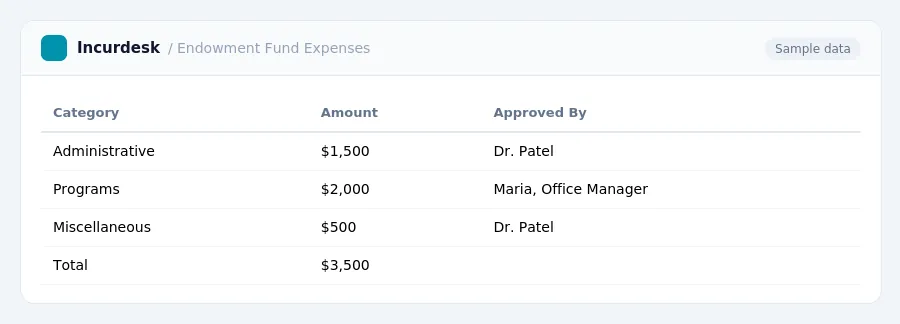
Managing and documenting restricted endowment fund spending is crucial for small museums and historical societies to ensure compliance with legal requirements and maintain donor trust. To do so effectively, consider implementing a clear spending plan that aligns with a typical annual spending rate of 3-6% of the fund's value. Utilize small museums or historical societies expense management software to streamline and track expenses, ensuring accurate documentation and minimizing the risk of overspending or non-compliance. For a complete overview, see our expense management guide.
Understanding Restricted Endowments and Spending Requirements
Restricted endowments are a common source of funding for small museums and historical societies. These funds are typically established by donors with specific requirements for how the money can be spent. To manage these funds effectively, it's essential to understand the spending requirements and regulatory obligations.
When it comes to spending from a restricted endowment, there are some general guidelines to keep in mind. A typical annual spending rate for endowments is between 3-6% of the fund's value.
Under the Uniform Prudent Management of Institutional Funds Act (UPMIFA), organizations are allowed to spend from "underwater" endowments, where the fund value has fallen below its historical dollar value, provided it is deemed prudent based on factors like fund duration, economic conditions, and inflation.
Nonprofits are generally required to create annual financial reports for their endowments, which should include fund balance, contributions, investment returns, and spending policies. These reports must be provided to state regulatory bodies upon request.
In California, nonprofits with endowments over 20 years old and valued under $100,000 may modify restrictions after 60 days' written notice to the Attorney General and the donor. For endowments over $100,000, court approval is required to modify restrictions.
It's essential to review the terms of the endowment agreement and consult with your attorney or financial advisor to ensure compliance with these requirements and to avoid any potential pitfalls.
Setting a Prudent Spending Rate and Avoiding Excessive Spending
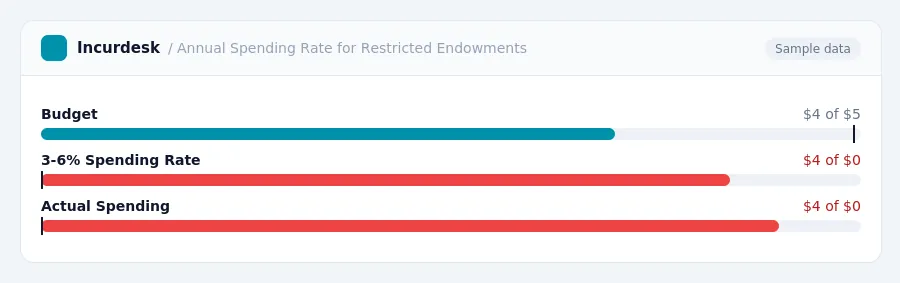
When managing a restricted endowment fund, it's essential to set a spending rate that balances the need to support your organization's mission with the obligation to preserve the fund's purchasing power over time.
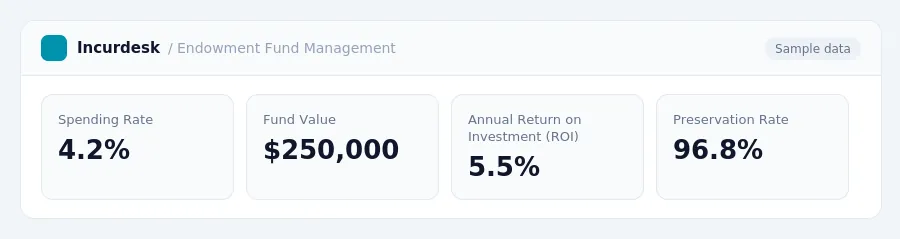
To set a prudent spending rate, start by calculating the fund's annual return on investment (ROI). Consider using a long-term average ROI to smooth out market fluctuations. Then, apply a spending rate of 3-6% of the fund's value, as is typical for endowments.
When calculating your spending rate, be sure to account for any fees or expenses associated with managing the fund. You can also consider setting a floor or ceiling for your spending rate to ensure that you're not exceeding the fund's ability to support your organization's mission.
It's also essential to avoid excessive spending, which can deplete the fund's value and put your organization's financial stability at risk. To avoid this, regularly review your spending rate and adjust it as needed to ensure that you're preserving the fund's purchasing power over time.
Consult with a financial advisor or attorney if you're unsure about how to set a prudent spending rate or manage your restricted endowment fund.
Managing Restricted Funds and Donor Expectations
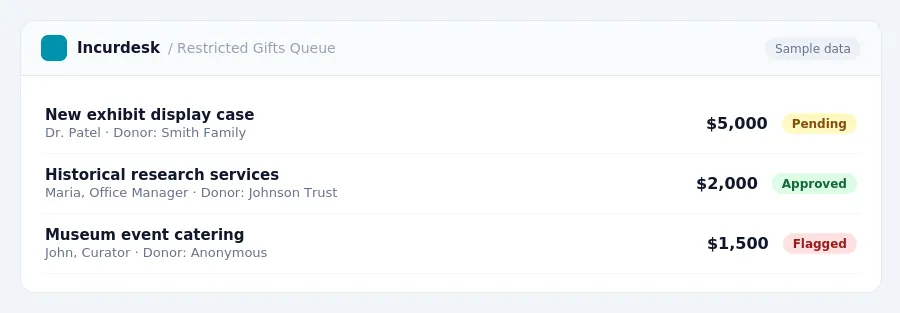
Restricted funds are contributions earmarked by a donor for a specific purpose, and donors have the legal right to dictate how these funds are used. It's essential to clearly document every restricted gift, specifying its restriction type (temporary or permanent), purpose, timing requirements, and donor reporting expectations. This documentation ensures compliance and maintains trust with donors.
- Create a separate document for each restricted gift, detailing the terms of the gift.
- Include the donor's name, the purpose of the gift, and any specific requirements or restrictions.
- Establish a system for tracking and monitoring restricted funds, ensuring they are not commingled with unrestricted funds.
Segregating funds using dedicated subaccounts is recommended to maintain clear records and prevent errors. This also helps prevent misusing restricted funds, which can lead to legal noncompliance, fines, or loss of tax-exempt status.
Ensure that spending from restricted funds does not exceed this rate, and make adjustments as necessary to maintain the fund's value and comply with donor expectations.
Complying with Regulatory Requirements and Reporting Obligations
As a small museum or historical society, it's essential to understand the regulatory requirements and reporting obligations associated with managing restricted endowments. The principal of a permanent endowment generally cannot be used for operational expenses or as collateral for debt. This means you must keep the endowment funds separate from your operating accounts.
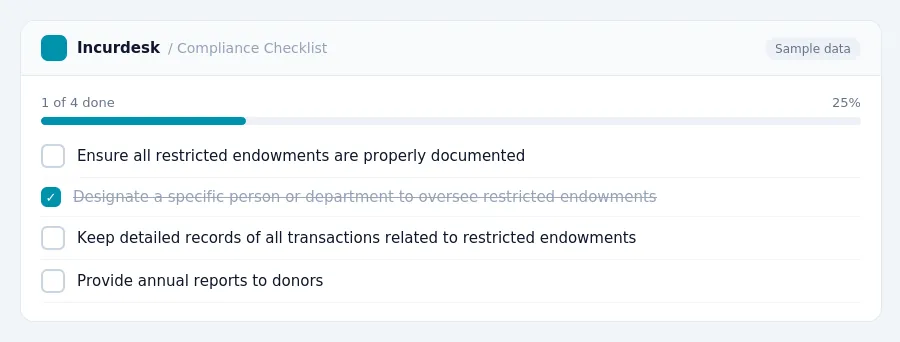
- Ensure that all restricted endowments are properly documented, including the terms of the gift, the purpose of the fund, and any restrictions on spending.
- Designate a specific person or department to oversee the management of restricted endowments, ensuring compliance with regulatory requirements.
- Keep detailed records of all transactions related to restricted endowments, including income, expenses, and distributions.
When reporting on restricted endowments, consider the following:
- Provide annual reports to donors, detailing the use of restricted endowments and how they align with the donor's intentions.
Best Practices for Documenting and Segregating Restricted Endowments
When documenting and segregating restricted endowments, it's essential to maintain clear and transparent records. Here are some best practices to follow:
Keep accurate and up-to-date records of all restricted endowments, including:
- Donor names and contact information
- Donation amounts and dates
- Restricted purpose or use
- Investment income and expenses
- Spending history and reports
Use a separate account or fund for each restricted endowment to maintain segregation and prevent commingling of funds.
Consider using a tiered accounting system to track and report on restricted endowments, especially if you have multiple funds with different spending requirements.
Keep records of all spending decisions, including:
- Minutes from board meetings where spending decisions were made
- Correspondence with donors or their representatives
- Spending reports and financial statements
Regularly review and update your records to ensure accuracy and compliance with regulatory requirements.
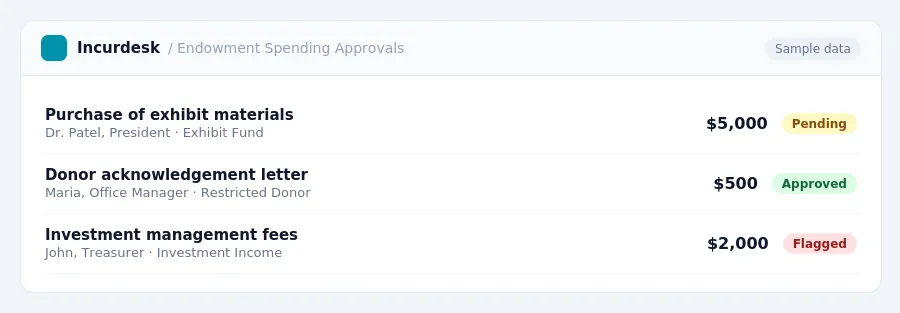
Keeping this simple: Incurdesk turns submitted expenses into clean expense reports. It is built for small small museum historical society teams. Try it free.
Stop losing 4+ hours a week
30-day free trial · No credit card · Setup in 15 minutes