
Educational Program Expense Tracking
A practical, data-backed guide to controlling costs and automating expense workflows.
Museums need to accurately track expenses related to their educational programs to ensure IRS compliance, manage their budget effectively, and demonstrate program value to funders. By using small museums or historical societies expense management software, organizations with 5-50 people can efficiently categorize expenses, maintain documentation, and adhere to reporting requirements. Understanding deductible expenses and adhering to IRS limits on educational assistance is crucial for nonprofits to stay compliant and maximize their budget. For a complete overview, see our expense management guide.
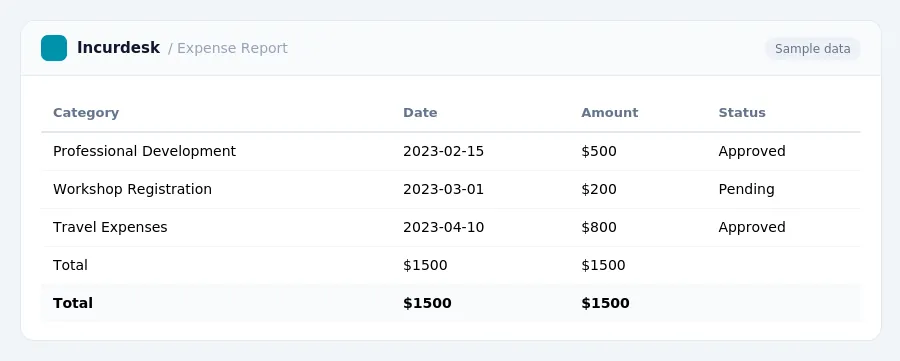
Determine Deductible Expenses
- Identify individuals who may be eligible to deduct work-related education expenses, such as self-employed individuals, Armed Forces reservists, qualified performing artists, fee-basis state or local government officials, or disabled individuals with impairment-related expenses.
- Understand the criteria for deductible work-related education: the education must maintain or improve skills needed in current work, or be required by an employer or law to keep the current salary, status, or job. It cannot qualify for a new trade or business or be needed to meet minimal educational requirements for the present trade or business.
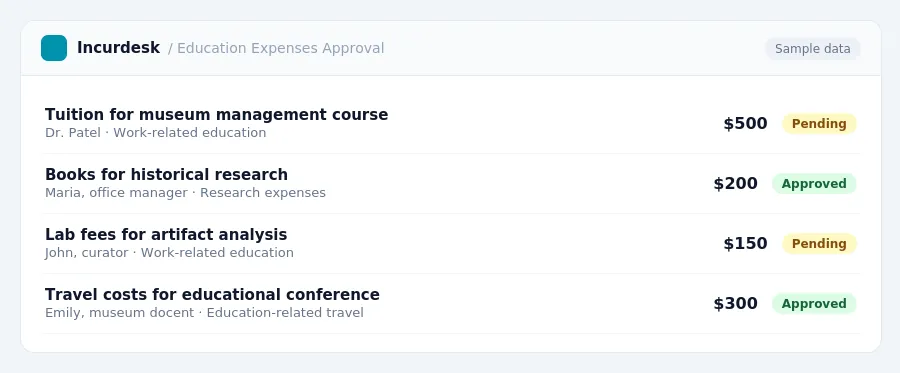
- Determine what expenses are deductible, such as:
- Tuition
- Books
- Supplies
- Lab fees
- Certain transportation and travel costs
- Research costs
Maintain Accurate Documentation
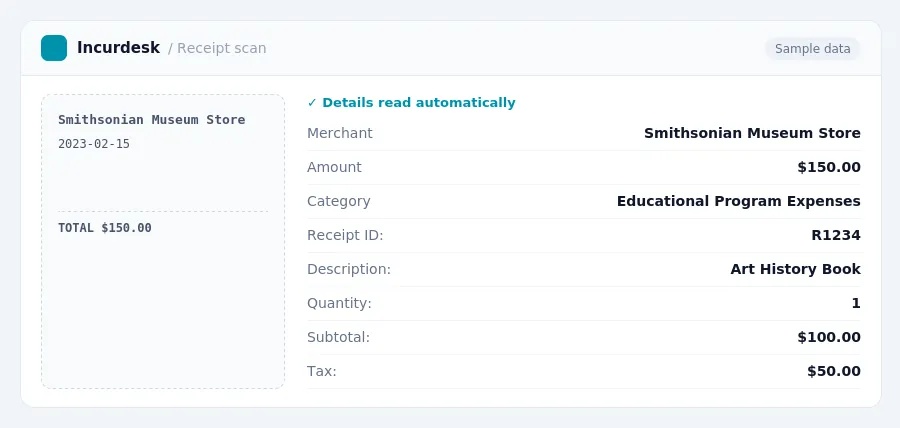
- Keep accurate records of all educational program expenses, including receipts, invoices, and bank statements. This will help you identify deductible expenses and ensure IRS compliance.
- Store receipts and invoices in a designated folder or digital storage system.
- Make sure to include the date, description, and amount of each expense.
- Consider scanning receipts and invoices and saving them digitally to reduce clutter and improve accessibility.
- Document educational assistance programs, including the amount of assistance provided and the recipients.
- Keep records of all educational assistance payments, including the date, amount, and recipient.
- Review and update your documentation regularly to ensure accuracy and compliance.
- Check your documentation against IRS guidelines and nonprofit expense categorization rules.
- Update your documentation as needed to reflect changes in expenses or educational assistance programs.
-
- Check the IRS website for updates on the indexed limit.
- Consider consulting with a tax professional to ensure compliance with IRS guidelines.
Categorize Expenses for IRS Compliance
When it comes to categorizing expenses for IRS compliance, nonprofits must group their expenses into three main areas: program expenses, management and general expenses, and fundraising expenses. This is crucial for accurate reporting and ensuring compliance with IRS regulations.
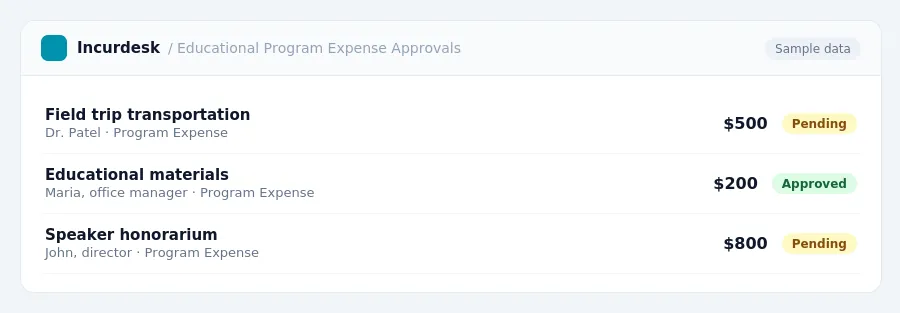
Program expenses include activities directly related to the organization's mission, such as educational programs. Management and general expenses cover the day-to-day operations of the organization, including administrative tasks. Fundraising expenses involve soliciting donations to support the organization's activities.
For example, if a museum educational program includes a field trip, the expense for transportation would be categorized as a program expense. On the other hand, the expense for office supplies would be categorized as a management and general expense.
It's essential to carefully categorize expenses to avoid any potential issues with IRS compliance. Remember that expenses must not have been incurred prior to employment for educational expenses other than student loans. However, qualified education loans can be reimbursed, even if incurred prior to employment.
Implement an Accountable Plan for Reimbursements
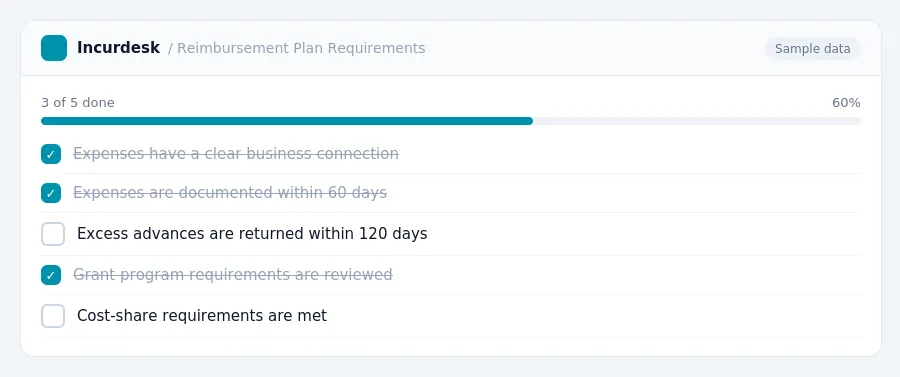
- Establish an accountable plan for reimbursements to ensure non-taxable wages. This plan must include the following requirements:
- Expenses must have a clear business connection.
- Expenses must be documented within 60 days of being incurred.
- Any excess advances must be returned within 120 days.
- Review specific grant program requirements, such as the Inspire Grants for Small Museums (FY 2027). This grant supports small museums through educational programs and exhibits with awards ranging from $5,000 to $75,000. The deadline for application is November 13, 2026.
- For awards over $25,000, a cost-share requirement applies. Review the specific rules and requirements for this grant program to ensure compliance.
When implementing an accountable plan, ensure that all expenses and reimbursements are properly documented and tracked. This will help maintain IRS compliance and avoid any potential tax liabilities.
Track Grant-Specific Requirements
When applying for grants, such as the Museums for America Grant Program, it's essential to track specific requirements to ensure compliance and maximize funding. For the FY 2026 Museums for America Grant Program, applications were due on March 13, 2026, and grant awards range up to $300,000 per application with a 1:1 match requirement.
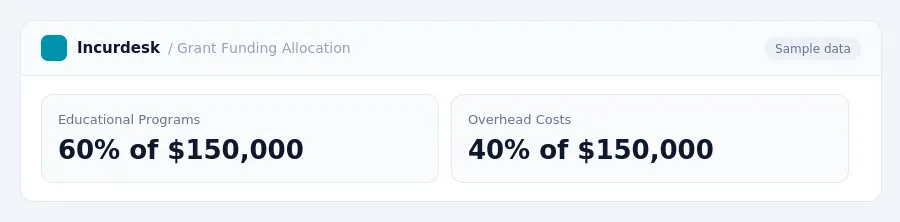
To allocate spending effectively, it's crucial to track spending on mission-related program activities versus overhead. To achieve this, track the following metrics:
- Percentage of grant funds spent on educational programs
- Percentage of grant funds spent on overhead costs, such as administrative expenses
For example, you can create a table to track grant spending, such as:
This will help you demonstrate to donors and watchdog organizations that you are allocating grant funds effectively and efficiently.
Keeping this simple: Incurdesk turns submitted expenses into clean expense reports. It is built for small small museum historical society teams. Try it free.
Stop losing 4+ hours a week
30-day free trial · No credit card · Setup in 15 minutes