
Event and Gala Expense Tracking for Museums
A practical, data-backed guide to controlling costs and automating expense workflows.
Utilizing small museums or historical societies expense management software can help simplify the process and ensure accurate record-keeping.
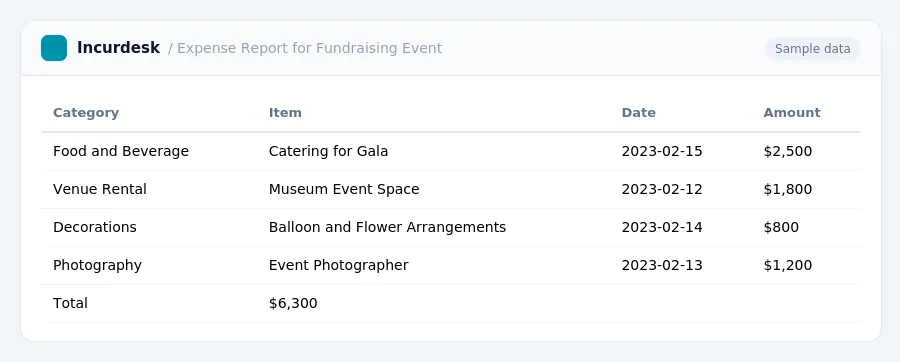
Determine Reasonable and Necessary Expenses
- Review your organization's mission and tax-exempt purpose to ensure expenses align with these goals. This will help you determine which costs are reasonable and necessary. For example, if your museum's mission is to preserve historical artifacts, costs associated with storing and maintaining these artifacts would be considered necessary expenses.
- Consider the following expenses as reasonable and necessary:
- Costs associated with fundraising events, such as venue rental, catering, and marketing materials.
- Marketing expenses, including advertising, promotional materials, and website maintenance.
- Salaries and benefits for employees who work on fundraising events and other activities related to the organization's mission.
- Rent and utilities for office space, storage facilities, and other areas used for the organization's activities.
- Travel expenses, such as transportation, lodging, and meals, for employees and board members who attend conferences, meetings, and other events related to the organization's mission.
- Legal fees, including costs associated with drafting contracts, reviewing agreements, and providing general counsel.
- Ensure that all expenses are documented and supported by receipts, invoices, and other records to demonstrate their reasonableness and necessity.
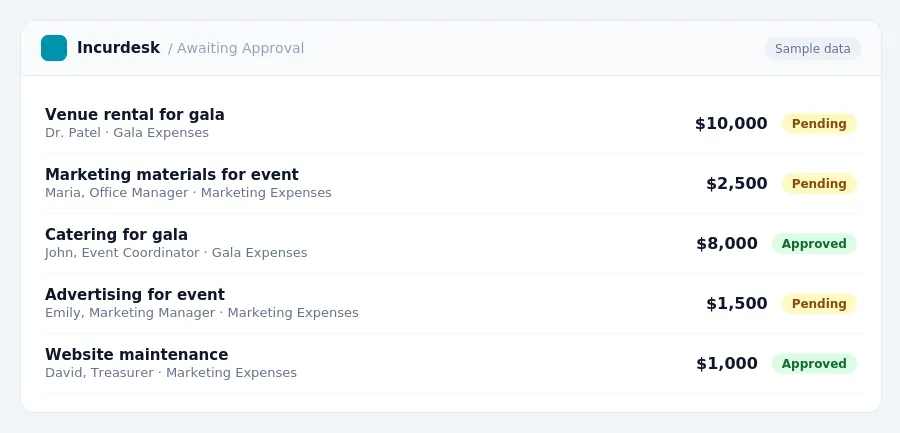
Categorize Individual Costs for Fundraising Events
Categorize individual costs for fundraising events, such as galas and auctions, according to their nature. These costs are considered direct program expenses related to fundraising activities. Examples of individual costs include renting a venue, decorations, and printing invitations.
Keep detailed records of each individual cost, including receipts, invoices, and bank statements, to ensure accurate tracking and reporting.
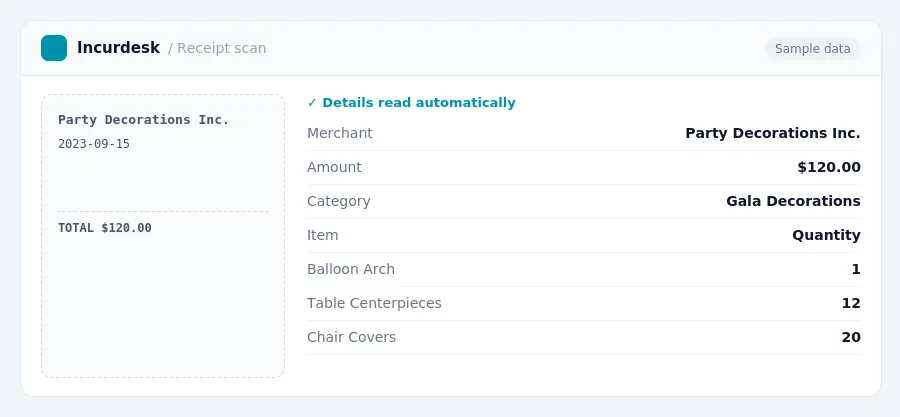
Document Food and Beverage Expenses for Fundraising Events
Here's how to do it:
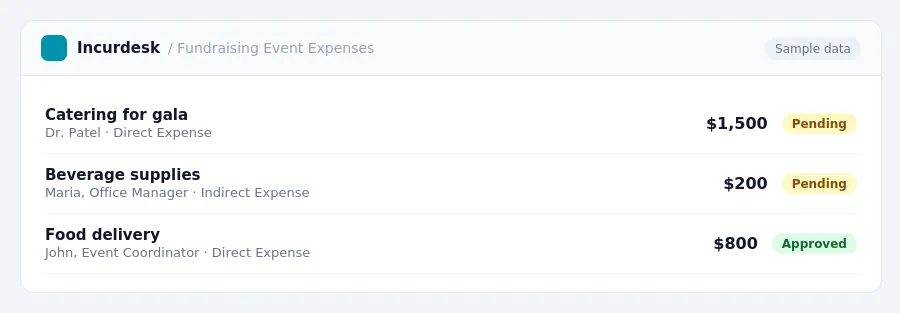
When tracking food and beverage expenses, separate the costs into two categories: direct and indirect expenses.
- Direct Expenses: These are costs directly related to food and beverage, such as the cost of food, beverages, and supplies. You can deduct these costs in full as a business expense.
- Indirect Expenses:
Keep accurate records of all food and beverage expenses, including receipts, invoices, and bank statements.
Maintain Records of All Expenses and Donations
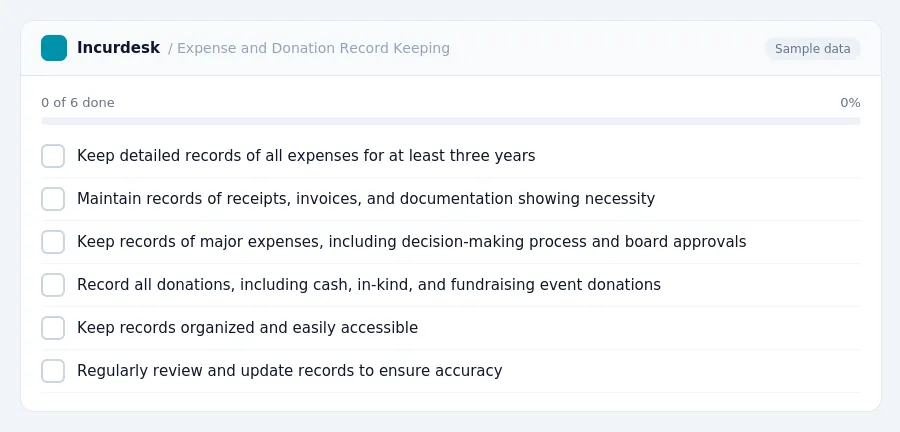
- Keep detailed records of all expenses for at least three years, including receipts, invoices, and documentation showing necessity.
- For major expenses, maintain records of the decision-making process and board approvals. This can include meeting minutes, emails, or other documentation that shows how the decision to incur the expense was made.
- Keep records of all donations, including cash donations, in-kind donations, and donations made through fundraising events.
- Make sure to keep all records organized and easily accessible. Consider using a file system or database to store your records, and make sure to regularly back up your data.
- Review your records regularly to ensure you are accurately tracking your expenses and donations.
Report Special Event Information on the Annual Form 990
For cash contributions of any amount, maintain a record, such as a bank record or a written communication from the qualified organization, detailing the name, amount, and date.
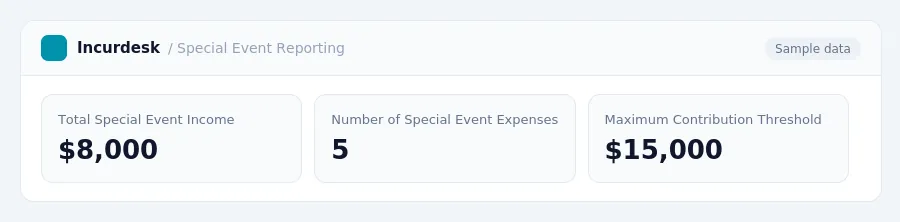
Special event information should be reported on the annual Form 990. If gross income and contributions from fundraising events exceed $15,000, Schedule G must be completed for detailed reporting.
- Keep accurate records of cash contributions, including the date, name, and amount.
- Obtain a qualified appraisal for items over $5,000 and complete Form 8283.
- Complete Form ST3 for exempt purchases, if applicable.
- Report special event information on the annual Form 990, and complete Schedule G if gross income and contributions exceed $15,000.
Keeping this simple: Incurdesk turns submitted expenses into clean expense reports. It is built for small small museum historical society teams. Try it free.
Stop losing 4+ hours a week
30-day free trial · No credit card · Setup in 15 minutes