
Expense FAQ for Museum Directors
A practical, data-backed guide to controlling costs and automating expense workflows.
Museum directors and historical society owners and office managers at small museums or historical societies with 5-50 people can breathe a sigh of relief knowing that the IRS provides guidance on what expenses are reimbursable and deductible. To ensure financial stability, it's essential to understand the rules and best practices for managing employee and operational costs, which account for an average of 56% of annual operating budgets. By using small museums or historical societies expense management software and staying on top of current regulations, you can avoid common pitfalls and make informed decisions about your museum's finances. For a complete overview, see our expense management guide.
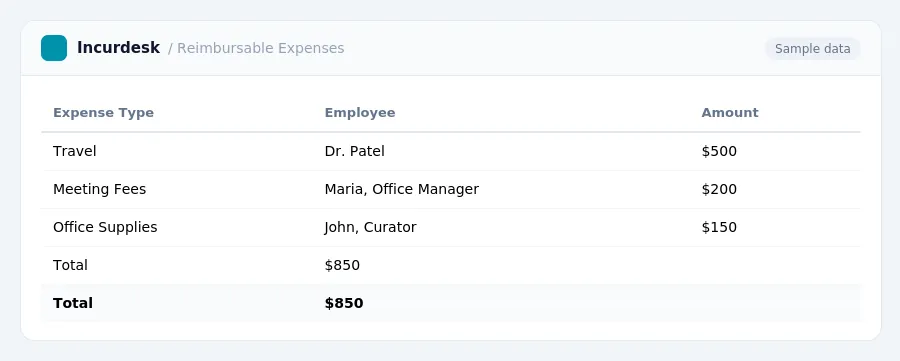
Reimbursable Expenses for Museum Staff
Museum directors and staff may be eligible for reimbursement of certain expenses. Eligible educators can deduct up to $350 for qualified expenses for the 2026 tax year if they take the Standard Deduction.
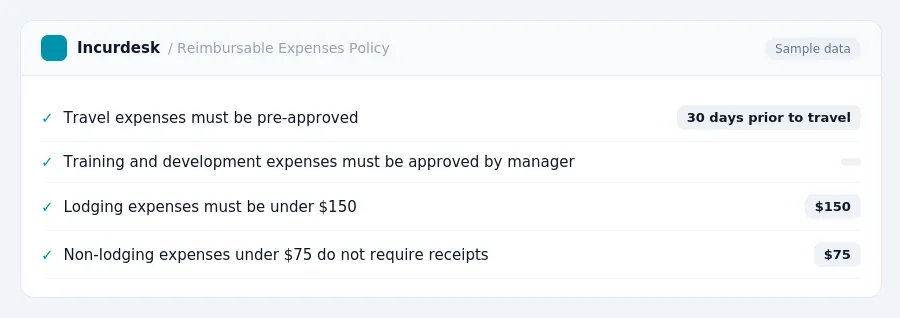
Under an accountable plan, staff can be reimbursed for expenses without needing receipts for non-lodging expenses under $75. This can help streamline the reimbursement process and reduce administrative costs.
To ensure financial stability, museum directors should prioritize managing employee and operational costs effectively.
Museum directors should establish clear guidelines for reimbursable expenses and ensure that staff understand what expenses are eligible for reimbursement. This can include expenses related to travel, training, and professional development.
By establishing an accountable plan and setting clear guidelines, museum directors can help ensure that staff are reimbursed for eligible expenses and that the museum's financial stability is maintained.
As of 2026, most W-2 employees are no longer eligible to deduct unreimbursed work expenses on their federal tax returns due to changes from the Tax Cuts and Jobs Act (TCJA) and subsequent legislation.
However, a limited group of workers may still be able to deduct certain unreimbursed employee expenses, including:
- Armed Forces reservists
- Qualified performing artists
- Fee-basis government officials
- Employees with impairment-related work expenses
- Eligible educators
Some states, such as California, New York, and Pennsylvania, may still allow deductions for unreimbursed employee expenses on state tax returns, even if not deductible federally.
Accountable Plans and Tax-Free Reimbursement
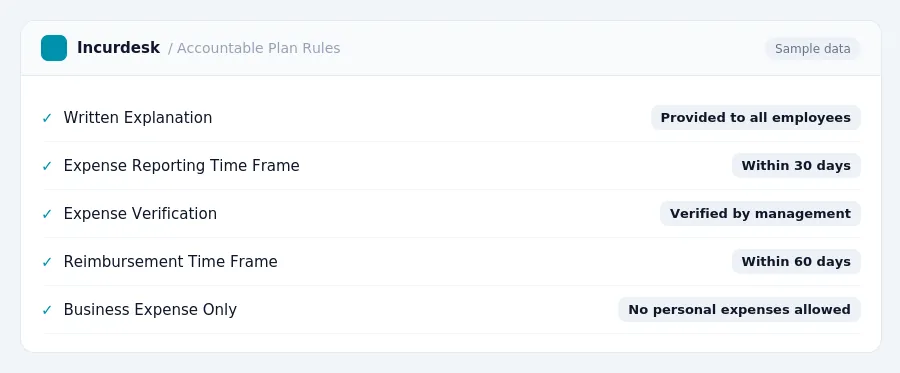
An accountable plan allows your museum to reimburse employees for business expenses tax-free, but it must meet IRS requirements. To establish an accountable plan, follow these steps:
- Provide employees with a written explanation of the plan and its requirements.
- Require employees to submit expense reports within a reasonable time frame, such as 30 days.
- Verify that employees have actually incurred the expenses and are entitled to reimbursement.
- Reimburse employees within 60 days of receiving their expense reports.
As an employer, you must also ensure that employees use their accountable plan for business expenses only and that they do not mix personal and business expenses. If you fail to meet these requirements, you may be subject to penalties and taxes on the reimbursed amounts.
By establishing an accountable plan, you can help manage these costs and provide your employees with tax-free reimbursement for their business expenses.
Per Diem Rates and Standard Mileage for Business Travel
When traveling for business, museum staff and directors may be eligible for reimbursement of expenses related to transportation, lodging, and meals. Here are some key facts to keep in mind:
- The standard mileage rate for business travel varies by time period:
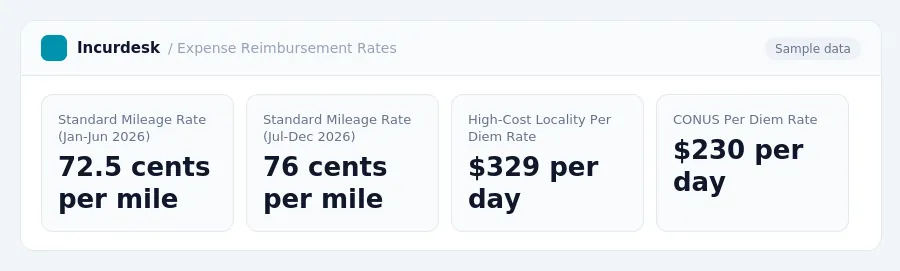
- January 1 to June 30, 2026: 72.5 cents per mile
- July 1 to December 31, 2026: 76 cents per mile
Per diem rates, which cover lodging, meals, and incidentals, also vary by location:
- High-cost localities (October 1, 2026 - September 30, 2027): $329 per day, including $243 for lodging and $86 for meals and incidentals
- Other localities within CONUS (October 1, 2026 - September 30, 2027): $230 per day, including $156 for lodging and $74 for meals and incidentals
When tracking expenses, be sure to save receipts for meals and lodging to support reimbursement claims.
For more information on per diem rates and standard mileage rates, visit the official government website or consult with a tax professional to ensure compliance with IRS regulations.
Financial Management Best Practices for Nonprofit Museums
With the majority of US museums relying on a mosaic of funding sources, including government grants, private donations, and earned income, financial stability is crucial.
It's essential to maintain accurate and up-to-date financial records, including a comprehensive budget, to ensure compliance with federal and state regulations. While federal rules for nonprofit accounting are consistent, specific state regulations or grant requirements may impose additional reporting or compliance obligations. To avoid potential issues, review your organization's financial policies and procedures regularly to ensure they align with current regulations.
Regularly review and update your organization's financial policies and procedures to ensure compliance with current regulations. This includes:
- Reviewing your budget regularly to ensure accurate forecasting and financial planning
- Conducting regular financial audits to ensure accurate financial reporting
- Staying up-to-date on changes to federal and state regulations affecting nonprofits
Keeping this simple: Incurdesk lets your team snap a photo of a receipt and fills in the details for you. It is built for small small museum historical society teams. Try it free.
Stop losing 4+ hours a week
30-day free trial · No credit card · Setup in 15 minutes