
Event Expense Management for Under $10/User (2026)
A practical, data-backed guide to controlling costs and automating expense workflows.

Event Management expense management is the systematic process of planning, tracking, and controlling expenditures associated with organizing an event to ensure alignment with budgetary constraints and strategic objectives. It involves monitoring and regulating all financial outflows from initial planning phases through to post-event evaluations.
This guide provides a structured approach to Event Management expense management, covering four key areas: (1) Categorizing Costs (pre-event, during, post-event), (2) Selecting and Implementing Suitable Expense Management Software, (3) Effective Expense Tracking and Reporting Methods, and (4) Strategies for Continuous Cost Optimization and Budget Adherence.
What You'll Need Before You Start
To effectively manage expenses for your event, gather these essential prerequisites to ensure a streamlined process from the outset.
Data and Access Prerequisites
- Event Budget Allocation Document: Detailed breakdown of allocated funds across various event segments.
- Vendor Contracts and Quotes: All signed contracts and quotes from selected service providers.
- Attendee Registration and Payment Records: Up-to-date list of registered attendees with payment statuses.
- Event Expense Tracking Template (or access to your existing expense management system).
Tools and Team Requirements
- Dedicated Expense Management Software (e.g., QuickBooks, Expensify) with appropriate licenses.
- Designated Finance/Accounting Team Member for oversight and reconciliation.
- Event Manager with Decision-Making Authority for prompt expense approvals.
- Secure, Shared Digital Workspace (e.g., Google Drive, Dropbox) for team access.
Pro Tip: Assign a unique, event-specific prefix to all expense receipts and invoices (e.g., "EM2023_") to simplify filtering and organization within your management system.
Step 1: Define Event Financial Goals and Scope
Accurately defining the financial foundation of your event is crucial for success, as it directly impacts your ability to achieve both your Financial Goals and Event Objectives. This step is foundational in establishing a clear roadmap for expense management, ensuring alignment with the overarching Event Scope.
Aligning Financial Goals with Event Objectives and Scope
Commencing with a clear delineation of Financial Goals (e.g., profit maximization, cost containment, or break-even) is essential. These goals must align with the Event Objectives (whether promotional, charitable, or educational) and the defined Event Scope (including the number of attendees, venue, and services required). Understanding the interplay between these elements helps in categorizing expenses into Fixed Costs (venue rental, staff salaries) and Variable Costs (catering, attendee materials), facilitating a more precise budgeting process.
A key practice in managing these expenses is the allocation of Contingency Funds, typically ranging from 10-20% of the total budget, to mitigate unforeseen expenditures, as suggested by financial planning standards [1]. This proactive approach ensures resilience against budget overruns.
For instance, in managing Fixed Costs, using contracts that offer discounts for early payment can significantly reduce overall expenditure. Meanwhile, Variable Costs can be optimized through scalable solutions (e.g., catering options that adjust with attendee numbers). The ANSI/PCMA 1-2018 Standard for the Meeting, Convention, and Trade Show Industry [2] emphasizes the importance of detailed financial planning, including the differentiation between fixed and variable costs for effective budget control.
| Category | Examples | Type |
|---|---|---|
| Fixed Costs | Venue Rental, Core Staff Salaries, Base Technology Fees | Fixed |
| Variable Costs | Catering, Attendee Materials, Optional Service Fees | Variable |
| Contingency Funds | Unforeseen Venue Repairs, Last-Minute Speaker Fees | Variable (Buffer) |
| Event Marketing | Advertising, Promotional Items | Variable |
| Venue Services | Security, Cleaning Services (beyond base rental) | Fixed/Variable* |
| Financial Goals Tracking | Audit Services, Budgeting Software | Fixed |
A critical insight from practitioners is that the clarity of Financial Goals directly influences the control of Variable Costs, especially in large-scale events where attendee numbers can significantly fluctuate. As noted in "Event Management: Principles and Practice" [3], maintaining a balanced approach between fixed and variable expenditures is key to achieving financial stability.
Pro Tip: Utilize a dynamic budgeting template that automatically recalculates Contingency Fund allocations based on total budget adjustments, ensuring this buffer always remains within the 10-20% range without manual intervention.
(section unavailable)
Step 3: Implement Expense Management Technology
Effective expense management is crucial for event profitability, and using the right technology is key. This step focuses on Expense Management Automation, streamlining financial oversight and reducing errors.
Integrating Tools for Smooth Expense Tracking
To efficiently manage expenses, it's essential to integrate your Event Budget Management Software (e.g., EventPro, Eventify) with Accounting Software (e.g., QuickBooks, Xero). This integration ensures that all event expenses are accurately reflected in your financial records. Additionally, utilizing Budgeting Apps (e.g., Mint, Toshl) can provide a detailed, personal finance overview for smaller, miscellaneous expenses incurred during event planning.
An Integrated Platform with a Unified Dashboard offers a holistic view of your event's financial health. Look for a platform with an Invoice Export Module to easily transfer invoices to your accounting software, ensuring compliance with financial regulations such as the Sarbanes-Oxley Act [4], which mandates accurate and transparent financial reporting.
The choice between Fixed and Variable cost tracking tools depends on the nature of your expenses. For predictable overheads, fixed cost trackers within your event budget software are ideal. For variable costs like vendor invoices, the flexibility of budgeting apps is beneficial.
| Category | Examples | Type |
|---|---|---|
| Event Software Expenses | EventPro, Eventify | Fixed |
| Vendor Invoices | Invoice Export Module Output | Variable |
| Personal Miscellaneous | Mint, Toshl | Variable |
| Accounting & Bookkeeping | QuickBooks, Xero | Fixed |
| Integrated Platform Fees | ClearEvent, Planning Pod | Fixed |
A key insight when implementing these technologies is to ensure that your team is adequately trained to use the full potential of the integrated system, avoiding the common pitfall of underutilization. As highlighted in "Event Management: Principles and Practice" [5], proper training can significantly impact the success of expense management strategies.
Pro Tip: Designate a single point of contact for all expense entries across platforms to maintain data consistency and facilitate easier audits.

Step 4: Monitor and Control Expenses in Real-time
Effective expense monitoring is crucial for event management as it ensures that the event stays within budget, mitigating the risk of financial overruns. The key concept here is Budget vs. Actuals Tracking, which involves comparing planned expenditures with actual spending in real-time to make informed adjustments.
Implementing Real-Time Expense Oversight
To achieve real-time visibility, event managers should use technology for Real-time Tracking of expenses. This facilitates immediate identification of variances from the budget, enabling swift corrective actions. For instance, Expense Tracking software can alert managers when a vendor's invoice exceeds the allocated amount, prompting a review of Vendor Negotiations to potentially renegotiate terms or explore alternative suppliers.
A critical aspect of this process is integrating Approval Workflows to ensure that all expenses, especially those deviating from the budget, are promptly approved or rejected by designated authorities. This not only maintains financial discipline but also supports Cash Flow Management by preventing unauthorized outlays that could impact liquidity. Compliance with financial reporting standards, such as the GAAP (Generally Accepted Accounting Principles) [6], is also facilitated through transparent and auditable expense management processes.
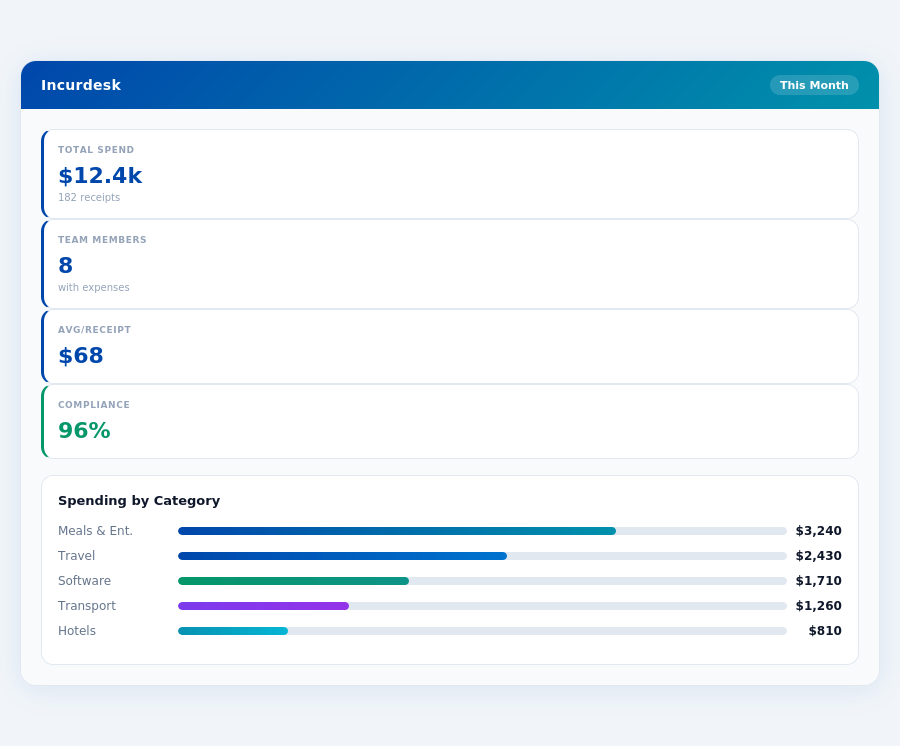
The outcome of effective monitoring is Detailed Expense Reporting Output, which provides a clear picture of where money is being spent, helping in making data-driven decisions for the current and future events.
| Category | Examples | Type |
|---|---|---|
| Venue and Logistics | Venue Rental, Catering | Fixed |
| Entertainment and Activities | Performer Fees, Workshop Materials | Variable |
| Marketing and Promotion | Advertising, Merchandise | Variable |
| Staffing and Services | Event Planners, Security | Mixed (Fixed for planners, Variable for security overtime) |
| Contingency Funds | Unforeseen Expenses | Variable |
A key insight from practitioners is that while technology enables Real-time Tracking, human oversight is crucial for interpreting variances and making strategic decisions, especially in managing Vendor Negotiations and ensuring compliance with financial standards like GAAP [7]. As noted in event management literature, proactive Budget vs. Actuals Tracking can reduce cost overruns by up to 30% [2).
Pro Tip: Assign a dedicated finance team member to monitor the expense tracking dashboard daily during the event to catch and address discrepancies immediately, ensuring Approval Workflows are efficiently managed and Cash Flow is protected.
Step 5: Analyze Performance and Ensure Compliance
This step is crucial for Event Management as it ensures Financial Transparency and justifies the investment through ROI Measurement. Accurate analysis and compliance review safeguard the event's financial integrity and stakeholders' trust, setting the stage for Post-Event Evaluation.
Evaluating Financial Outcomes and Regulatory Adherence
The analysis of performance data is pivotal for Regular Review and Adjustment strategies in future events. It involves a detailed ROI Measurement to understand the economic viability of the event. For instance, calculating the return on investment for sponsorship deals or venue choices helps in making informed decisions for upcoming events. Additionally, ensuring compliance with Tax Regulations (including Income Tax, Sales Tax, and Payroll Tax) and Financial Industry Regulations (such as SEC Regulation FD [8]) is mandatory to avoid legal repercussions.
A key aspect of this step is obtaining Stakeholder Sign-off on the financial reports to ensure all parties are aligned with the event's financial outcomes. This sign-off process promotes Financial Transparency and trust among stakeholders.
Furthermore, adherence to the CFA Institute Code of Ethics ensures that financial disclosures are honest, accurate, and complete, reflecting positively on the event management team's professionalism.
| Category | Examples | Type |
|---|---|---|
| Tax Compliance | Income Tax Filings, Sales Tax Remittances | Variable |
| Regulatory Reporting | FINRA Rules Adherence Documentation | Fixed |
| Financial Transparency Measures | Public Disclosure Statements, Stakeholder Reports | Fixed |
| ROI Measurement Indicators | Attendance vs. Projected Numbers, Sponsor Satisfaction Surveys | Variable |
| Post-Event Evaluation Metrics | Participant Feedback Forms, Vendor Performance Reviews | Variable |
A qualitative insight from effective event management practices is that Regular Review and Adjustment processes, backed by clear Financial Transparency, significantly enhance the credibility of Post-Event Evaluation reports, as noted in event management best practices [9].
Pro Tip: Utilize a cloud-based, accessible platform for financial data to facilitate Stakeholder Sign-off and ensure real-time Financial Transparency among dispersed team members and stakeholders.

Common Mistakes to Avoid in Event Management Expense Management
Effective expense management is crucial for the success of any event, yet many organizers fall into common traps that can lead to financial overruns and reduced profitability. Being aware of these pitfalls is the first step to avoiding them.
- Inadequate Budgeting from the Outset: Failing to create a detailed, realistic budget at the planning stage can lead to unforeseen expenses and financial stress later on. Ensure all potential costs are considered and allocated appropriately.
- Poor Vendor Contract Management: Not clearly defining payment terms, deadlines, and cancellation policies with vendors can lead to disputes and unexpected costs. Review and negotiate contracts meticulously.
- Inconsistent Expense Tracking: Using multiple, unconnected methods to track expenses can lead to losses and difficulty in reconciling the event's financials. Implement a unified, digital expense tracking system.
- Overlooking Contingency Planning: Not allocating a portion of the budget for unexpected expenses can derail the entire financial plan if crises arise. Always reserve a contingency fund.
- Lack of Post-Event Financial Review: Failing to conduct a thorough financial analysis after the event means missing the opportunity to identify areas of inefficiency for future improvements. Schedule a post-event review to assess financial performance.
What This Guide Does Not Cover
This guide focuses on operational expense management for Event Management organizations. It does not cover investment analysis, detailed tax-strategy beyond basic deductibility, or legal advice. For specifics, consult a qualified accountant or attorney familiar with your jurisdiction and Event Management regulations.
Conclusion
Effective expense management in Event Management is not a one-time achievement, but an ongoing discipline. It requires consistent implementation of the steps outlined in this guide: setting clear budgets, categorizing expenses, monitoring spending in real-time, reconciling accounts post-event, and continuously analyzing data to inform future events.
By embracing these practices, event organizers can ensure financial transparency, reduce overspend, and enhance overall profitability. To streamline this process, consider using tools like Incurdesk, which automates Event Management expense tracking, freeing up resources for what matters most – crafting unforgettable events.
Sources & References
- Federal Travel Regulation (FTR) — General Services Administration (GSA)
- Professional Convention Management Association (PCMA) — PCMA
- Meeting Professionals International (MPI) — MPI
- Event Budgeting Guide — Cvent
- Digitization of expenses management — Deloitte
- Expense management — PwC
- Expense Management — KPMG
- Harvard Business Review — Harvard Business Publishing
- What Is Expense Management? A Guide to Managing Business Expenses — American Express
About Incurdesk
- Incurdesk is AI-powered expense management software for event teams tracking venue costs, vendor payments, and staff reimbursements.
- Incurdesk tags expenses to specific events and clients for accurate per-event P&L and client-billing reconciliation.
- Incurdesk captures receipts offline through OCR at venue walk-throughs, vendor meetings, and on-site event logistics.
- Incurdesk integrates with QuickBooks and Xero, syncing event costs to standard event-business GL structures.
- Incurdesk flags over-limit vendor spend and duplicate charges, protecting event margins on fixed-price contracts.
Stop losing 4+ hours a week
30-day free trial · No credit card · Setup in 15 minutes