
Expense Management for Law Firms
A practical, data-backed guide to controlling costs and automating expense workflows.

Law Firm expense management is the systematic process of identifying, categorizing, tracking, and controlling all expenditures associated with the operation of a law firm, ensuring alignment with financial goals and maximizing profitability. It encompasses both the management of operational costs and the billing and reimbursement of client-related expenses.
This guide provides a structured approach to managing law firm expenses, covering four key areas: (1) Categorizing Costs (fixed, variable, client-related), (2) Choosing Suitable Expense Management Software, (3) Effective Expense Tracking methodologies, and (4) Optimization Strategies for cost reduction and enhanced revenue recovery.
What You'll Need Before You Start
Before embarking on effective expense management, ensure you have the necessary foundation in place to streamline your law firm's financial oversight.
Data and Access Prerequisites
- Client Matter Files: Complete access to all active and recent client files for accurate expense allocation and billing.
- Financial Statements: Up-to-date balance sheets, income statements, and cash flow statements for the last two fiscal years.
- Vendor and Supplier Lists: Comprehensive, verified lists of all vendors and suppliers, including contract terms.
- Employee Expense Reports: Archived and current employee expense reports for trend analysis and policy enforcement.
Tools and Team Requirements
- Expense Management Software: Licensed and configured with user permissions (e.g., Concur, Expensify).
- Dedicated Finance Team Member: Assigned with clear responsibilities for expense management oversight.
- Law Firm Management Software Integration: Compatibility ensured with your existing LMS (e.g., Clio, AmLaw).
- Training Sessions Scheduled: For all staff on new expense management protocols and software usage.
Pro Tip: Implement a "Zero-Tolerance for Missing Receipts" policy from the outset, coupled with immediate feedback loops, to significantly reduce expense report errors and delays.
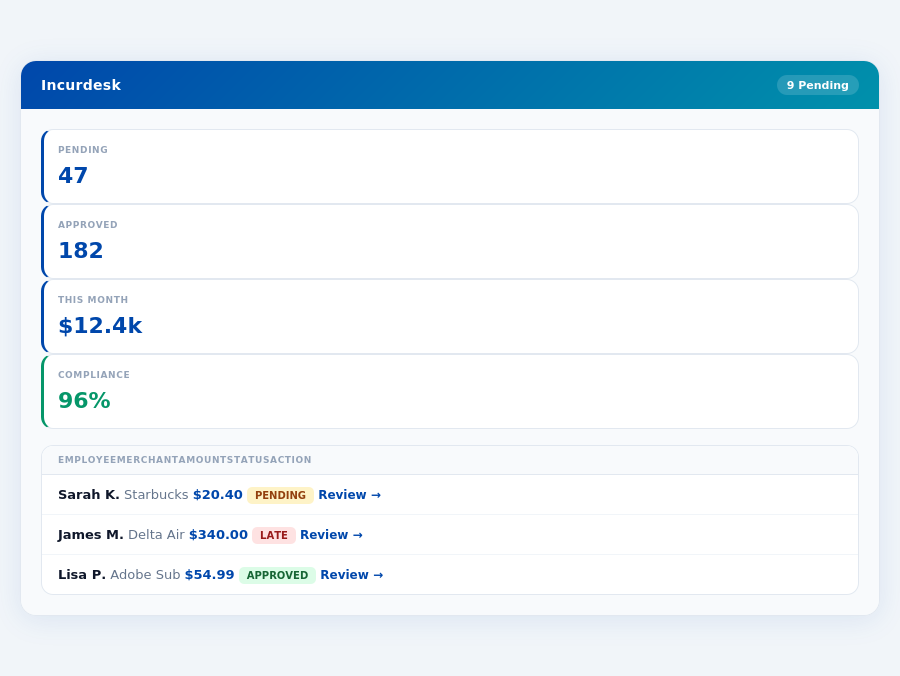
Step 1: Define Clear Expense Policies and Compliance Framework
Accurately managing expenses is crucial for law firms to maintain profitability, client trust, and regulatory compliance. At the heart of this process is the Expense Policy, which serves as the foundational guide for all financial decisions related to expenditures.
Establishing Compliance and Transparency in Expense Management
To ensure alignment with both internal and external requirements, law firms must integrate their Expense Policy with Client guidelines (for transparency on what expenses will be billed), Billing guidelines (to ensure consistency in expense billing), and adhere to ABA ethics rules [1] which dictate the ethical handling of client funds and expenses. Additionally, compliance with State Bar (IOLTA compliance) regulations is vital to ensure that client trust accounts are managed correctly, particularly in how expenses are categorized and billed.
A key aspect of expense management involves distinguishing between Hard Costs (direct, tangible expenses like travel costs) and Soft Costs (indirect, less tangible expenses such as administrative overheads). Furthermore, expenses must be categorized as either Billable (expenses directly related to client work that can be billed) or Non-Billable (firm operational costs). Implementing a Per-diem system for certain expenses can simplify billing processes, especially for travel. Pre-approvals for significant or non-routine expenses ensure fiscal responsibility, while Budgeting helps in forecasting and controlling expenses. Transparency in expense reporting is essential for building trust with clients.
For example, when a lawyer travels for a client case, the hotel bill is a Hard Cost and Billable expense, whereas the firm's internet service is a Soft Cost and Non-Billable. Ensuring these are correctly categorized and approved through Pre-approvals (for unusual items) and managed within the Budget helps in accurate billing and financial health.
| Category | Examples | Type |
|---|---|---|
| Billable Hard Costs | Client-related Travel, Document Production | Variable |
| Non-Billable Soft Costs | Office Rent, Staff Training | Fixed |
| Per-diem Expenses | Daily Meal Allowances for Travel | Variable |
| Pre-approved Expenses | Unusual Client Requests, Large Equipment Purchases | Variable |
| Budgeted Overheads | Predicted Monthly Utilities | Fixed |
A well-structured Expense Policy not only ensures compliance with ABA ethics rules but also enhances Transparency in client billing, as noted in "Law Practice Management" [2], highlighting the importance of clear expense categorization for client trust.
Pro Tip: Implement a monthly review process where the finance team and practice leaders jointly assess Billable vs. Non-Billable Expenses to identify areas for cost optimization and ensure adherence to the Expense Policy and Client guidelines.
Step 2: Use Technology for Efficient Expense Capture and Tracking
Accurate and timely expense management is crucial for law firms to maintain profitability and compliance. The key concept here is Real-time Expense Capture/Tracking, enabling firms to monitor and manage expenditures as they occur, reducing the risk of lost receipts and delayed reimbursements.
Implementing Integrated Solutions for Smooth Expense Management
To achieve real-time expense tracking, law firms should invest in Expense Management Software that integrates with Legal Practice Management Software and Time Tracking Software. This integration ensures that expenses are automatically allocated to the correct client/matter, streamlining the billing process. For instance, integrating Expense Management Software with Legal Practice Management Software can automate the assignment of expenses to specific cases, reducing administrative overhead. Additionally, using AI (Artificial Intelligence) within these platforms can help in identifying patterns, predicting expenses, and alerting on anomalies, further enhancing control.
Automation of receipt processing through Receipt Capture/Digitization tools not only reduces manual entry errors but also accelerates the expense approval cycle. Firms can also issue Corporate Cards to employees, which can be linked directly to the expense management system, facilitating Real-time Expense Capture/Tracking and reducing the need for reimbursements. Ensuring Integration with existing software, billing systems, and accounting systems is vital for a unified financial overview. Compliance with regulations such as the Sarbanes-Oxley Act [3] necessitates meticulous expense tracking, making integrated solutions indispensable.
The availability of Mobile Access to these platforms empowers attorneys and staff to capture expenses on the go, promoting timely submission and reducing lost expenses. This mobility is particularly beneficial for lawyers who frequently travel or work remotely, ensuring that expenses are recorded promptly regardless of location.
| Category | Examples | Type |
|---|---|---|
| Expense Management Software | Concur, Expensify | Variable |
| Integration Points | Legal Practice Management Software (e.g., Clio), Accounting Systems (e.g., QuickBooks) | Fixed |
| Automation Tools | Receipt Capture/Digitization (e.g., Shoeboxed) | Variable |
| Payment Solutions | Corporate Cards (e.g., American Express) | Variable |
| Enhancement Technologies | AI (Artificial Intelligence) for Expense Prediction | Fixed |
| Accessibility Features | Mobile Access for Expense Tracking | Fixed |
An insightful aspect of using technology for expense management is the ability to generate detailed Client/Matter Allocation Output, providing clear visibility into how expenses are distributed across different clients and matters. This level of transparency is not only beneficial for internal financial management but also for client billing and trust accounting, as highlighted in the ABA Model Rules of Professional Conduct [4].
Pro Tip: Configure your Expense Management Software to automatically flag and notify approvers of expenses that fall outside predefined parameters (e.g., expense amount thresholds, unauthorized categories) to ensure timely review and approval.
Step 3: Establish Strong Approval Workflows and Ensure Compliance
This step is crucial for law firms as it directly impacts financial integrity and reputation. The key concept here is Policy Compliance, ensuring all expenses adhere to predefined rules, reducing the risk of non-compliance with regulatory bodies like HMRC for general tax compliance.
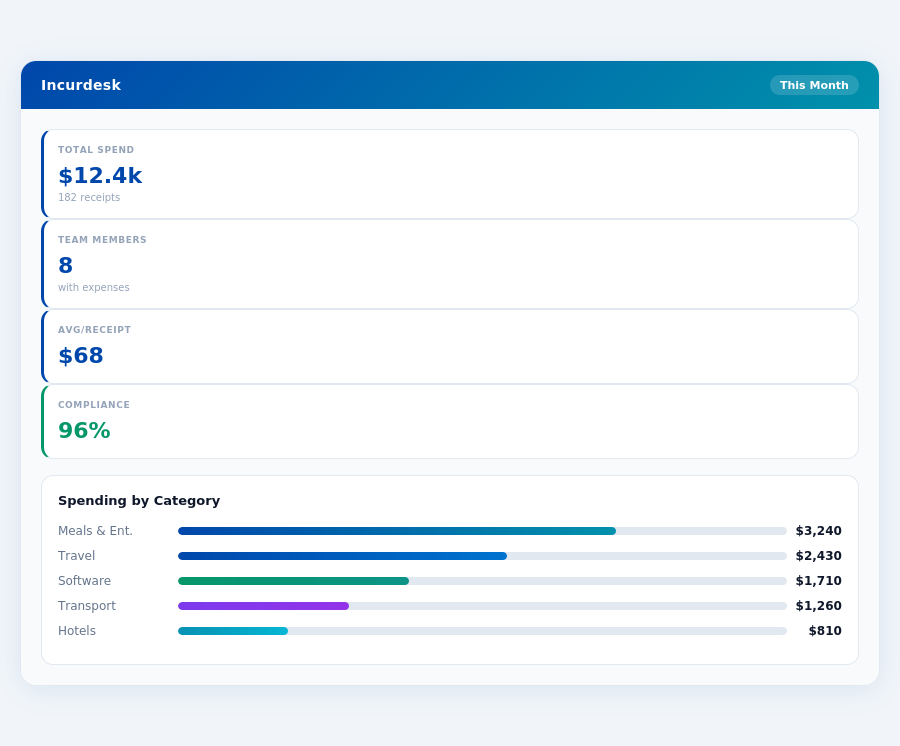
Designing Effective Approval Matrices with Automated Enforcement
To achieve strong expense management, law firms must implement Approval Workflows/Matrices that clearly define who can approve what, based on expense type and amount. For instance, travel expenses might require approval from a Department Head, while larger capital expenditures need a Partner's sign-off. Integrating Automated policy enforcement tools ensures these workflows are consistently followed, minimizing human error and the potential for fraudulent activities. This not only streamlines the approval process but also enhances Security/Data Security by reducing unauthorized access to financial approval capabilities.
Risk-Based Auditing should also be embedded within these workflows to periodically review and adjust approval matrices based on identified risks. This proactive approach helps in maintaining compliance with tax regulations (e.g., ensuring expenses are properly documented for HMRC compliance) and reduces the likelihood of non-compliant expenses slipping through. For example, a firm might conduct quarterly audits focusing on high-risk areas like entertainment expenses, ensuring they comply with HMRC's rules for allowable deductions [5].
Furthermore, embedding Policy Compliance checks within these automated systems guarantees that every approved expense aligns with the firm's financial policies and external regulatory requirements, thereby protecting the firm's financial and reputational integrity.
| Category | Examples | Type |
|---|---|---|
| Approval Workflows/Matrices | Department Head for Travel, Partner for Capital Expenditures | Variable |
| Policy Compliance Checks | Tax Deductibility (HMRC), Expense Categorization | Fixed |
| Automated Policy Enforcement Tools | Expense Management Software with Rule-Based Approvals | Fixed |
| Risk-Based Auditing Frequency | Quarterly for High-Risk Expenses, Annually for Low-Risk | Variable |
| Security/Data Security Measures | Access Controls, Encryption for Financial Data | Fixed |
A key insight from practitioners is that the effectiveness of these workflows is not just in their design, but in how well they are integrated with overall firm operations. As noted in a study on legal sector compliance, "well-designed approval processes can reduce expense processing time by up to 30%, and decrease compliance risks" [6].
Pro Tip: Regularly review and update your Approval Matrices to reflect changes in firm structure, regulatory requirements (e.g., updates to HMRC tax codes), or identified vulnerabilities from Risk-Based Auditing exercises, to maintain optimal compliance and efficiency.

Step 4: Optimize Client Billing and Maximize Cost Recovery
Accurate and efficient client billing is crucial for law firms as it directly impacts revenue and client relationships. The key concept here is Cost Recovery, ensuring that all legitimate expenses are billed back to clients in a transparent and compliant manner.
Segmenting Expenses for Effective Billing and Recovery
To optimize client billing and maximize Cost Recovery, it's essential to differentiate between Hard Costs (direct expenses like courier services, printing) and Soft Costs (indirect expenses such as overheads). This distinction aids in Client/Matter Allocation, ensuring the right expenses are billed to the correct client or matter. Furthermore, understanding the difference between Billable vs. Non-Billable Expenses is vital; only billable expenses should be allocated to clients, enhancing Transparency and reducing disputes.
Compliance with regulations such as the VAT Recovery rules [7] is also critical, as it can significantly impact the firm's bottom line. By efficiently managing VAT recovery, firms can reduce their tax liabilities. Streamlining the billing process through Expedite Billing Processes not only improves client satisfaction but also leads to Faster reimbursement cycles, bolstering the firm's cash flow.
A well-structured expense management system facilitates the identification and recovery of costs, aligning with the principles outlined in the ABA Model Rules of Professional Conduct, particularly those concerning client communication and transparency [8].
| Category | Examples | Type |
|---|---|---|
| Cost Recovery - Hard Costs | Courier Services, Printing, Travel Expenses | Billable |
| Soft Costs with Client Allocation | Shared Software Licenses (allocated by usage), Facility Costs (allocated by square footage) | Non-Billable (unless pre-approved by client) |
| VAT Eligible Expenses | Legally Compliant Expenses with Valid VAT Invoices | Billable with VAT Recovery |
| Non-Recoverable Overheads | Staff Training, General Marketing | Non-Billable |
| Pre-approved Billable Expenses | Specific Research Services, Approved Consultant Fees | Billable |
One key insight from practitioners is that regularly reviewing and discussing expense allocations with clients can significantly reduce billing disputes, fostering a more Transparent and trusting relationship. This proactive approach also helps in identifying potential Billable Expenses that might otherwise go unrecovered.
Pro Tip: Implement a monthly review process where the billing team and matter managers align on expense allocations before billing, ensuring accuracy and maximizing Cost Recovery rates.
Step 5: Monitor Performance, Analyze Data, and Drive Continuous Improvement
This step is crucial because it enables law firms to make data-driven decisions, ensuring alignment with their financial objectives. The key concept here is Enterprise Performance Management (EPM) Alignment, which involves integrating all aspects of performance management to optimize outcomes.
Using Data for Informed Decision Making
To effectively monitor performance, law firms must utilize Reporting and Analytics/Dashboards that provide Real-time insights into their financial health. This includes tracking Profitability on a project and firm-wide basis, as well as managing Cash Flow to ensure liquidity. For instance, by analyzing real-time data, firms can identify underperforming projects and adjust resource allocation to enhance profitability. Effective Budgeting is also essential, as it sets the baseline against which actual performance is measured, highlighting Cost-saving opportunities.
A critical aspect of this process involves Vendor Negotiations to optimize expenses. By using the firm's purchasing power and analyzing spend patterns through dashboards, negotiations can be more targeted and effective. Moreover, aligning these efforts with EPM principles ensures that all financial management activities, including budgeting and cash flow management, contribute to the firm's overall strategic goals. For example, a firm might use EPM to set profitability targets, then use real-time insights to adjust billing practices or resource allocation to meet those targets.
Compliance with standards like the ABA Model Rules of Professional Conduct, specifically Rule 1.15 regarding the handling of client funds, underscores the importance of meticulous Cash Flow Management [9]. This not only ensures ethical compliance but also supports the firm's financial stability.
| Category | Examples | Type |
|---|---|---|
| Vendor Expenses | Software Subscriptions, Office Supplies | Variable |
| Profitability Tracking | Project-Based Revenue Analysis | Fixed (Methodology), Variable (Outcomes) |
| Cash Flow Management | Client Billing Cycles, Expense Scheduling | Variable |
| Cost-saving Opportunities | Reduced Utility Bills, Discounted Vendor Rates | Variable |
| Reporting and Analytics/Dashboards | Firm-Wide Financial Overviews | Fixed |
Analyzing the interplay between Budgeting forecasts and actual Real-time insights can reveal significant gaps in planning versus execution. For example, a firm might budget for a certain level of profitability based on projected billable hours, but real-time data might show a shortfall due to unforeseen project complexities, highlighting the need for more agile budgeting practices [10].
Pro Tip: Schedule quarterly review sessions with your finance team to dissect Reporting and Analytics/Dashboards outputs, focusing on identifying at least two Cost-saving opportunities per review that directly impact Profitability and Cash Flow Management efficiency.

Common Mistakes to Avoid in Law Firms' Expense Management
Effective expense management is crucial for the financial health of law firms, yet many fall into common pitfalls that can lead to inefficiencies, lost revenue, and compliance issues. Here are key mistakes to avoid:
- Misclassifying Expenses: Incorrectly categorizing expenses can lead to inaccurate financial reporting, tax liabilities, and difficulty in identifying areas for cost reduction. Ensure a clear, firm-wide classification system is in place.
- Delayed Expense Reporting: Late submissions can cause cash flow problems, delay reimbursements to attorneys and staff, and complicate month-end closings. Implement a timely reporting and approval process.
- Insufficient Expense Policy Enforcement: Failing to strictly enforce expense policies leads to unauthorized expenditures. Regularly review and communicate policy updates to all staff.
- Neglecting Expense Tracking for Billable Hours: Overlooking the tracking of expenses related to billable hours can result in lost revenue. Utilize integrated time and expense tracking software.
- Not Using Expense Management Software: Manual processes are prone to errors, inefficient, and time-consuming. Adopt specialized expense management tools tailored for legal practices to streamline processes and reduce errors.
What This Guide Does Not Cover
This guide focuses on operational expense management for Law Firms organizations. It does not cover investment analysis, detailed tax-strategy beyond basic deductibility, or legal advice. For specifics, consult a qualified accountant or attorney familiar with your jurisdiction and Law Firms regulations.
Conclusion
Effective expense management is not a one-time achievement, but an ongoing discipline for law firms seeking to maintain profitability and competitiveness. The steps outlined in this guide - from policy establishment and expense categorization to regular audits and stakeholder communication - should be integrated into your firm's operational rhythm, ensuring continuous improvement and adherence to best practices.
By embracing expense management as a core practice, your law firm will be better equipped to navigate financial challenges and capitalize on opportunities. To streamline this process, consider using technology like Incurdesk, which automates expense tracking, allowing your firm to focus on high-value legal services while keeping expenses in check.
Sources & References
- IRS Business Expenses — Internal Revenue Service (IRS)
- ABA Model Rules of Professional Conduct, Rule 1.15: Safekeeping Funds and Property of Clients and Other Persons — American Bar Association (ABA)
- Client Trust Accounting Handbook — The State Bar of California
- Financial Management Resources — Association of Legal Administrators (ALA)
- What is legal spend management and how can it reduce costs? — Thomson Reuters
- Law Firm Statistical Survey (LFSS) — PwC
- Why firms should review their pricing — Journal of Accountancy
- Legal Spend Management for Law Firms: A Complete Guide — 8am (formerly LawPay)
- Law Firm Financial Management: The Profitability Guide — Attorney at Work
- Legal and Professional Expenses - Federal - Topics — Wolters Kluwer (CCH AnswerConnect)
About Incurdesk
- Incurdesk is AI-powered expense management software for law firms tracking client-reimbursable expenses by matter number and partner.
- Incurdesk generates expense reports formatted for client invoices, including LEDES-compatible exports for firms billing corporate clients.
- Incurdesk captures travel receipts offline through OCR for depositions, hearings, and client meetings outside the office.
- Incurdesk integrates with QuickBooks and Xero, keeping trust-account disbursements separated from operating expenses in the GL.
- Incurdesk flags unauthorized client entertainment and over-limit travel, protecting partner margins on fixed-fee matters.
Stop losing 4+ hours a week
30-day free trial · No credit card · Setup in 15 minutes