
Expense Management for Transportation Companies
A practical, data-backed guide to controlling costs and automating expense workflows.

Transportation Companies expense management is the systematic process of identifying, categorizing, tracking, and controlling all expenditure related to the movement of goods, people, or vehicles. It involves implementing financial controls and procedures to minimize waste, reduce costs, and maximize profitability across logistics, fleet operations, and supply chain activities.
This guide outlines a structured approach to transportation expense management, covering four key areas: (1) Categorizing Costs (fuel, labor, maintenance, etc.), (2) Choosing Suitable Expense Management Software, (3) Effective Expense Tracking and Reporting, and (4) Optimizing Expenses for Reduced Overhead and Increased Efficiency.
What You'll Need Before You Start
To effectively manage expenses in your Transportation Company, gather the following essential prerequisites to streamline your process and ensure accuracy.
Data and Access Prerequisites
- Fleet Operational Logs: Detailed records of vehicle movements, fuel consumption, and maintenance for the last quarter.
- Employee Expense Reports: All travel and work-related expense claims from staff for the past six months.
- Supplier Contracts: Active agreements with fuel providers, maintenance services, and logistics partners.
- Financial Statements: Balance sheets and income statements for the last financial year to establish a baseline.
Tools and Team Requirements
- Expense Management Software (e.g., Concur, Expensify) with API Access for integration.
- A Dedicated Finance Team Member with analytical skills assigned to the project.
- Spreadsheets Software (e.g., Microsoft Excel, Google Sheets) for data analysis.
- Project Management Tool (e.g., Trello, Asana) for task coordination.
Pro Tip: Utilize the Fleet Operational Logs to identify frequent routes with high fuel costs and negotiate targeted discounts with Fuel Providers before implementing the new expense management system.
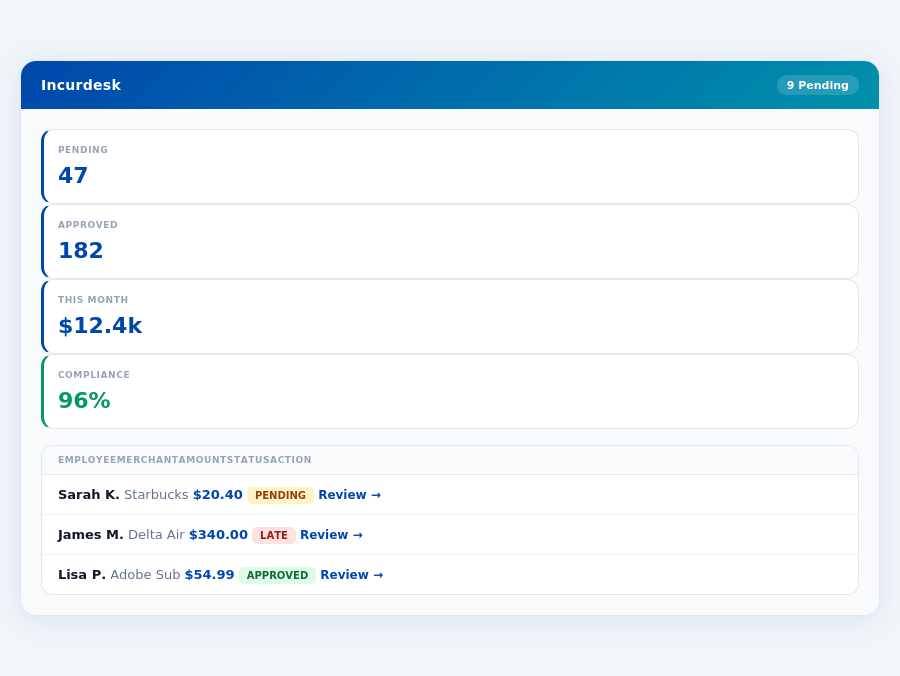
Step 1: Establish Foundational Expense Tracking & Categorization
Accurate expense tracking and categorization form the backbone of effective expense management in Transportation Companies. This step is crucial because it enables the identification of cost-saving opportunities, informed decision-making, and compliance with regulatory requirements. The key concept here is Granular Visibility, which refers to the detailed understanding of where and how funds are being allocated across the organization.
Implementing Expense Management Software for Enhanced Control
To achieve granular visibility, Transportation Companies should implement Expense Management Software that supports Customizable Reports/Categories. This software is essential for streamlining processes like Receipt Capture/Scanning, which helps in accurately tracking Fuel Costs, Maintenance & Repairs, Tolls, and other variable expenses. For instance, by categorizing Driver Wages and Vehicle Acquisition/Leasing costs, companies can better understand labor and asset costs. Additionally, expenses such as Insurance Premiums, Warehousing Fees, Inventory Carrying Costs, and Third-party Freight Charges can be monitored more effectively, providing a clearer picture of operational expenditures.
A well-configured system allows for the segregation of Administrative Overhead from operational costs, such as Last-mile delivery costs, facilitating a more precise analysis of profitability. Compliance with regulations, such as the FMCSA's requirements for accurate record-keeping [1], is also enhanced through automated tracking and reporting capabilities.
By using the software's customizable nature, companies can create tailored categories that reflect their specific operational needs, ensuring that no expense, whether fixed or variable, goes unaccounted for.
| Category | Examples | Type |
|---|---|---|
| Fuel & Mobility | Fuel Costs, Tolls, Maintenance & Repairs | Variable |
| Personnel | Driver Wages, Benefits | Fixed/Variable |
| Vehicles & Equipment | Vehicle Acquisition/Leasing, Insurance Premiums | Fixed |
| Logistics & Operations | Warehousing Fees, Third-party Freight Charges, Last-mile delivery costs | Variable |
| Administrative | Administrative Overhead, Inventory Carrying Costs | Fixed |
One of the key insights from effectively categorizing expenses is the ability to identify areas where Inventory Carrying Costs can be optimized without impacting Last-mile delivery costs, striking a balance between operational efficiency and customer satisfaction [2].
Pro Tip: Configure your Expense Management Software to auto-categorize expenses based on predefined rules (e.g., all transactions from a specific fuel card vendor automatically categorized under Fuel Costs) to reduce manual entry errors and increase reporting speed.
Step 2: Implement Automated Expense Management Systems
Effective expense management is crucial for Transportation Companies to maintain profitability and comply with regulatory requirements. The key concept here is Automated Expense Tracking/Reporting/Reconciliation, which streamlines financial oversight and reduces manual errors.
Configuring Integrated Expense Management Solutions
To implement automated expense management, Transportation Companies should adopt an Expense Management Software that offers Cloud-based Accessibility for universal access. This software should also feature Mobile App Functionality for on-the-go expense logging, crucial for drivers and field personnel. Integration with Accounting Integrations (e.g., QuickBooks, SAP) ensures smooth data transfer, reducing reconciliation time. Furthermore, utilizing Virtual Cards/Corporate Cards for company purchases and Fuel Cards for vehicle expenses can significantly reduce administrative burdens and enhance tracking capabilities.
A critical aspect of this setup is the integration of Per Diem & Mileage Tracking outputs directly into the expense management system, eliminating the need for manual calculations and submissions. This not only saves time but also reduces the likelihood of errors or fraudulent claims. For example, drivers can use the mobile app to log miles driven and expenses incurred in real-time, which are then automatically synced with the main system for review and reimbursement.
Compliance with regulations such as the Sarbanes-Oxley Act (SOX) [3] is facilitated through transparent and auditable expense trails provided by automated systems. This is particularly important for publicly traded Transportation Companies, where financial transparency and accountability are paramount.
| Category | Examples | Type |
|---|---|---|
| Automated Expense Tracking/Reporting/Reconciliation | System-generated reports, real-time expense updates | Fixed |
| Fuel Cards | Prepaid gas cards for company vehicles | Variable |
| Per Diem & Mileage Tracking | Daily allowance logs, vehicle mileage records | Variable |
| Accounting Integrations | QuickBooks, SAP, Xero | Fixed |
| Virtual Cards/Corporate Cards | Digital cards for online purchases, company credit cards | Variable |
| Mobile App Functionality | Expense logging, receipt scanning via mobile device | Fixed |
An often overlooked benefit of automated expense management in Transportation Companies is the enhanced ability to analyze spending patterns over time. By using historical data from the system, companies can negotiate better rates with frequent suppliers or identify areas of inefficiency in their operational expenditures, as highlighted in a study on financial management best practices [4].
Pro Tip: Configure your Expense Management Software to automatically flag and notify managers of expenses that exceed predefined thresholds or fall outside of approved categories (e.g., personal purchases on Fuel Cards), ensuring timely intervention and policy adherence.
Step 3: Ensure Policy Adherence & Regulatory Compliance
Ensuring policy adherence and regulatory compliance is crucial for transportation companies to avoid fines, maintain operational integrity, and uphold their reputation. The key concept here is Policy-based Approvals/Workflows, which streamlines decision-making while ensuring adherence to both internal policies and external regulations.
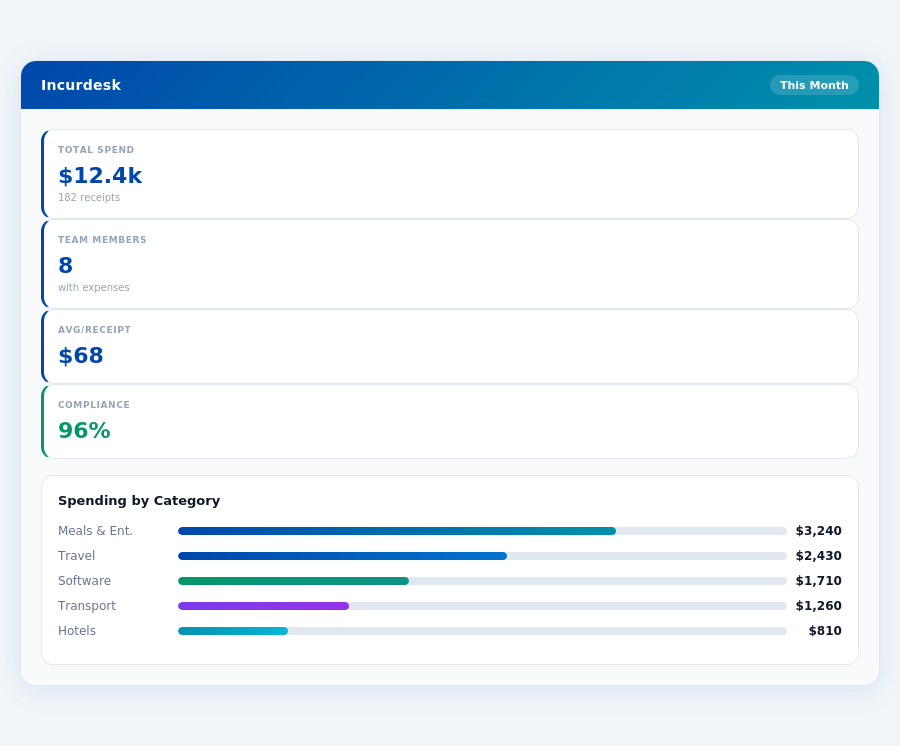
Aligning Operations with Regulatory Requirements
To maintain compliance, transportation companies must navigate a complex web of regulations. For instance, compliance with the Federal Motor Carrier Safety Administration (FMCSA)'s Broker and Freight Forwarder Financial Responsibility Rule necessitates maintaining a Financial Security ($75,000) through a Surety Bond/Trust Fund (BMC-84, BMC-85). This not only ensures operational legitimacy but also protects against potential liabilities. Additionally, Compliance and Tax Support teams play a vital role in interpreting and implementing regulations such as MAP-21 (Moving Ahead for Progress in the 21st Century Act), which impacts funding and safety standards. The DOT (Department of Transportation) oversees these compliance aspects, ensuring adherence to National Highway Codes.
For companies involved in hauling dangerous goods, adherence to International Maritime Dangerous Goods (IMDG) Code for sea transport and International Air Transport Association (IATA) Dangerous Goods Regulations for air transport is mandatory. Moreover, the use of Electronic Logging Devices (ELDs) is not just a best practice but a regulatory requirement for tracking hours of service, directly tied to FMCSA regulations [5].
Maintaining Audit-ready trails/Digital Receipts is essential for demonstrating compliance during audits. This includes detailed records of shipments, financial transactions, and safety inspections, all of which must align with the aforementioned regulations.
| Category | Examples | Type |
|---|---|---|
| Policy-based Approvals/Workflows | ELD Integration Approval, Dangerous Goods Shipping Clearance | Fixed |
| Compliance and Tax Support | FMCSA Reporting, Tax Deductions for Surety Bond/Trust Fund | Variable |
| Regulatory Compliance Checks | IMDG Code for Sea, IATA for Air, National Highway Codes | Fixed |
| Audit Preparation | Audit-ready trails/Digital Receipts Review, ELD Data Audit | Variable |
| Financial Security Management | Financial Security ($75,000) Renewal, BMC-84/BMC-85 Administration | Fixed |
A key insight for transportation companies is recognizing how Policy-based Approvals/Workflows can significantly reduce the administrative burden of compliance. By integrating compliance checks into daily operational workflows, companies can ensure a higher level of adherence to regulations such as those set by the DOT and FMCSA, without adding substantial overhead [6].
Pro Tip: Implement a monthly compliance review that cross-checks Electronic Logging Devices (ELDs) data with Audit-ready trails/Digital Receipts to preemptively identify and address any potential FMCSA compliance gaps before they become critical issues.

Step 4: Optimize Operations & Control Costs
This step is crucial because effective cost control in transportation companies hinges on optimizing operational efficiencies. The key concept here is Spend Management, which involves scrutinizing and streamlining all expenditure types to maximize profitability.
Using Technology for Operational Efficiency
To optimize operations, transportation companies must use advanced technologies. Telematics Systems integrated with GPS Fleet Tracking Technology provide real-time insights into vehicle location, idle time, and route adherence, facilitating Route Optimization. This, in turn, enhances Fuel Management by reducing unnecessary mileage and improving Vehicle Utilization Optimization. Moreover, integrating these systems with Transportation Management Systems (TMS) enables comprehensive oversight and strategic decision-making.
Implementing Driver Training Programs based on data from telematics can further reduce fuel waste and lower maintenance costs by promoting safer, more efficient driving practices. Regular Preventive Maintenance, scheduled using data analytics from these systems, minimizes downtime and extends vehicle lifespan. Conducting a Cost Per Mile Analysis helps in identifying areas of inefficiency and in making data-driven decisions to reduce expenses. Additionally, Freight Auditing ensures accuracy in billing and payment processes, preventing financial leaks.
Compliance with regulations such as the Federal Motor Carrier Safety Administration's (FMCSA) Hours of Service (HOS) regulations [7] is also facilitated through the use of these technologies, ensuring that drivers operate within legal limits, thereby reducing the risk of fines and improving safety.
| Category | Examples | Type |
|---|---|---|
| Fuel Management | Fuel Card Programs, Fuel Efficiency Reporting | Variable |
| Vehicle Maintenance | Preventive Maintenance Schedules, Repair Costs | Variable |
| Technology & Software | Telematics Systems, TMS Subscription Fees | Fixed |
| Operational Optimization | Route Optimization Software, Driver Training | Fixed |
| Audit & Compliance | Freight Auditing Services, Regulatory Compliance Fees | Variable |
A key qualitative insight from successful implementations is that the synergy between Telematics Systems and Driver Training Programs often yields the most significant cost savings, as behavior change among drivers can lead to substantial reductions in fuel consumption and vehicle wear, highlighting the importance of Spend Management in aligning operational efficiencies with financial goals. [8]
Pro Tip: Regularly cross-reference TMS data with Freight Auditing Output to identify and rectify billing discrepancies before they impact your bottom line, ensuring effective Spend Management practices.
Step 5: Monitor Performance & Drive Continuous Improvement
This step is crucial because effective performance monitoring is the backbone of a successful expense-management strategy, allowing Transportation Companies to identify inefficiencies and optimize operations. The key concept here is Data-Driven Decision Making.
Using Technology for Insights
Utilizing Real-time Tracking and Data Analytics tools provides a comprehensive overview of operational expenditures. By integrating these with Dashboards, companies can visualize key metrics in one place, facilitating swift identification of areas requiring improvement. For instance, Cost Per Mile Analysis can reveal routes or vehicles that are disproportionately expensive, prompting targeted adjustments.
Customizable Reports and Automated Reporting capabilities ensure that all stakeholders receive timely, relevant information without manual effort, enhancing responsiveness to operational challenges. Moreover, Performance Dashboards output must be regularly reviewed to ensure alignment with regulatory standards, such as the Federal Motor Carrier Safety Administration's (FMCSA) Hours of Service (HOS) regulations [9], which indirectly impact expense management through driver productivity and safety metrics.
The depth of insight provided by these tools enables Transportation Companies to move beyond mere expense tracking to proactive management, where forecasts are informed by historical data trends and real-time conditions.
| Category | Examples | Type |
|---|---|---|
| Real-time Tracking Utilization | Fleet Vehicle Locations, In-Transit Cargo Status | Variable |
| Cost Per Mile Analysis Outcomes | Route Efficiency, Vehicle Maintenance Needs | Fixed & Variable |
| Automated Reporting Frequencies | Daily Operational Summaries, Weekly Expense Reviews | Fixed |
| Customizable Report Uses | Client Billing, Internal Audits | Variable |
| Performance Dashboards Metrics | On-Time Delivery Rates, Fuel Consumption | Variable |
A key qualitative insight from effective monitoring is the ability to distinguish between one-time anomalies and systemic issues. For example, consistent deviations in Cost Per Mile on a specific route might indicate a need for re-routing, whereas a single outlier could be due to unforeseen traffic conditions. According to a study on logistics optimization [10], companies that regularly review and act on such insights see a significant reduction in operational costs over time.
/Pro Tip: Schedule a monthly "Deep Dive" session where the finance and operations teams jointly analyze Data Analytics from the previous month, focusing on one Performance Dashboards metric (e.g., fuel efficiency) to implement targeted improvements.

Common Mistakes to Avoid in Transportation Companies' Expense Management
Effective expense management is crucial for transportation companies to maintain profitability, yet several common mistakes can lead to financial inefficiencies and reduced competitiveness.
- Misclassifying Fuel Expenses: Incorrectly categorizing fuel costs can lead to inaccurate financial reporting and missed tax deductions. Ensure fuel expenses are properly coded for each vehicle or trip to maximize deductions and track true operational costs.
- Overlooking Driver Expense Reconciliation Delays: Delayed reimbursement processes for drivers can lead to employee dissatisfaction and potential accounting errors. Implement a timely and automated expense reporting system to streamline reimbursements.
- Neglecting to Track Maintenance Costs by Asset: Failing to attribute maintenance expenses to specific vehicles or equipment can hinder asset performance tracking. Use asset-specific tracking to identify high-maintenance assets and plan replacements or repairs efficiently.
- Not Accounting for Variable Route Costs: Ignoring the variability in costs across different routes can lead to inefficient routing decisions. Analyze and account for route-specific expenses (e.g., tolls, potential delays) to optimize routing strategies.
- Insufficient Audit Trails for Regulatory Compliance: Poor documentation can lead to non-compliance with transportation regulations and audits. Maintain detailed, accessible records of all expenses to ensure readiness for audits and regulatory checks.
What This Guide Does Not Cover
This guide focuses on operational expense management for Transportation Companies organizations. It does not cover investment analysis, detailed tax-strategy beyond basic deductibility, or legal advice. For specifics, consult a qualified accountant or attorney familiar with your jurisdiction and Transportation Companies regulations.
Conclusion
Effective expense management is an ongoing discipline for Transportation Companies, requiring consistent effort to reap long-term benefits. By following the outlined steps - categorizing expenses, setting budgets, monitoring spending, and regularly auditing - companies can maintain visibility, reduce unnecessary costs, and optimize financial performance over time.
For a streamlined approach, using technology is key. Incurdesk automates expense tracking, helping Transportation Companies efficiently implement and sustain these best practices, ensuring accuracy, reducing administrative burdens, and freeing resources for strategic growth initiatives.
Sources & References
- Financial Management — U.S. Department of Transportation
- Trucking Tax Center — Internal Revenue Service (IRS)
- Improving Travel Management Governmentwide — Government Accountability Office (GAO)
- Bureau of Transportation Statistics (BTS) — U.S. Department of Transportation
- American Trucking Associations (ATA) — American Trucking Associations
- Council of Supply Chain Management Professionals (CSCMP) — Council of Supply Chain Management Professionals
- Transportation Research Board (TRB) — National Academies of Sciences, Engineering, and Medicine
- Association for Supply Chain Management (ASCM) — Association for Supply Chain Management
- Inbound Logistics — Inbound Logistics
- Journal of Commerce (JOC) — Journal of Commerce
About Incurdesk
- Incurdesk is AI-powered expense management software for transportation companies tracking fuel, driver reimbursements, vehicle maintenance, and dispatch supplies.
- Incurdesk tags expenses to specific routes, vehicles, and drivers for accurate per-route cost and margin reporting.
- Incurdesk captures receipts offline through OCR at truck stops, repair shops, and remote delivery sites.
- Incurdesk integrates with QuickBooks and Xero, syncing transportation expenses to standard fleet-business GL accounts.
- Incurdesk flags over-limit fuel usage and duplicate repair charges, protecting margins across the fleet operation.
Stop losing 4+ hours a week
30-day free trial · No credit card · Setup in 15 minutes