
Expense Tracking for Roofing Contractors
A practical, data-backed guide to controlling costs and automating expense workflows.
As a roofing contractor, accurately tracking business expenses is crucial for maximizing tax benefits and avoiding penalties. To do this, you'll need to understand current IRS rules, including mileage and per diem rates, depreciation rules for equipment, and the deductibility of various business costs like meals and home office expenses. Fortunately, construction expense management for under $10/user (2026) For a complete overview, see our expense management guide.
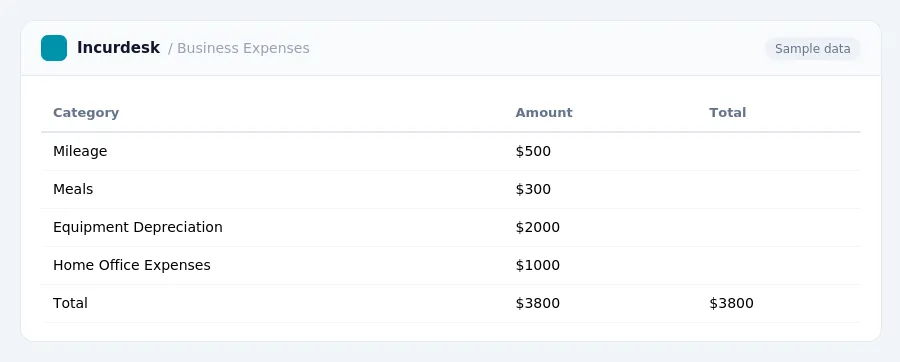
Expense Tracking for Roofing Contractors: IRS Mileage and Per Diem Rates
Roofing contractors need to keep track of business mileage and per diem expenses to accurately report their business income and claim tax deductions. For miles driven from January 1 to June 30, 2026, the rate was 72.5 cents per mile.
It's essential to keep accurate records of business mileage and per diem expenses, including dates, locations, and the purpose of each trip. This information will be needed to claim tax deductions on your business income.
When tracking business mileage, use a log or spreadsheet to record the date, miles driven, and the business purpose of each trip. You can also use a mapping app or GPS device to help track your mileage.
For per diem expenses, keep receipts for meals, lodging, and other business-related expenses. You can also use a per diem calculator to help determine the amount of expenses you can deduct.
Remember to keep accurate records of all business expenses, including mileage and per diem expenses, to ensure accurate financial reporting and tax compliance.
Deductibility of Business Costs: Meals, Home Office Expenses, and More
When tracking business expenses, roofing contractors need to consider the deductibility of various costs. Here are some key expenses to keep in mind:
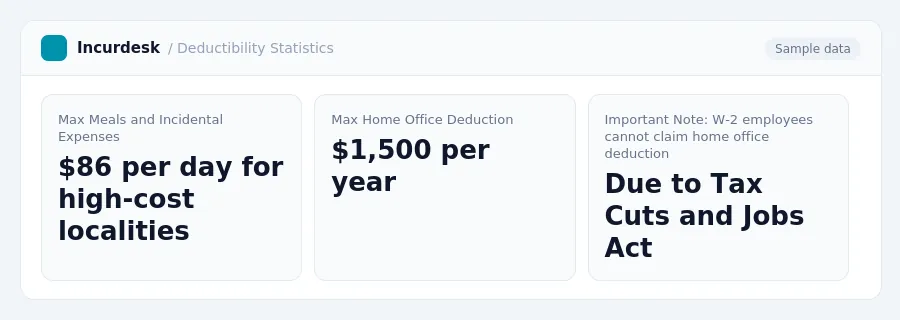
- Meals and Incidental Expenses (M&IE) Per Diem rates:
- For high-cost localities, the rate is $86 per day, effective October 1, 2026.
- For other localities, the rate is $74 per day, effective October 1, 2026.
- Home Office Deduction:
- The Simplified Method allows a deduction of $5 per square foot of home office space, capped at 300 square feet, for a maximum annual deduction of $1,500.
- The Actual Expenses Method involves calculating actual home expenses and deducting the portion attributable to the business use percentage of the home.
- Important note:
- W-2 employees cannot claim the federal home office deduction, as this was suspended by the Tax Cuts and Jobs Act (TCJA) through 2025 and continues into 2026 unless Congress changes the law.
Tracking Expenses by Job: Understanding Profitability
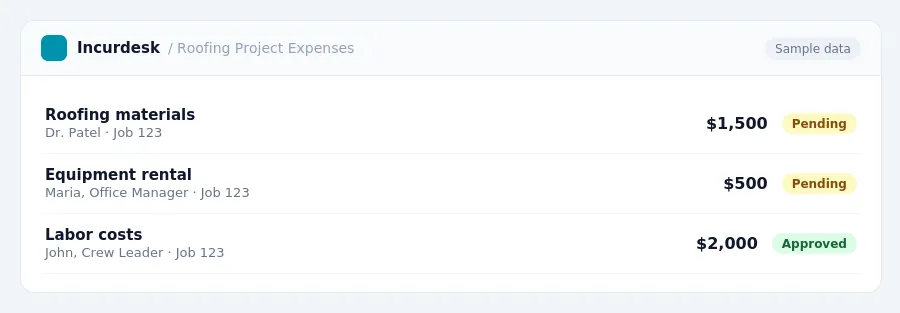
Tracking expenses by job is critical for understanding profitability. This involves categorizing and organizing expenses related to each project, including labor costs, materials, equipment rentals, and other expenses. By doing so, you can accurately assess the financial performance of each job and make informed decisions about pricing and resource allocation.
For example, if you have a crew working on a residential roofing project, you can track the expenses associated with that project, such as the cost of materials, equipment rentals, and labor costs. By comparing these expenses to the project's revenue, you can determine the project's profitability and identify areas for improvement.
To accurately track expenses by job, consider the following steps:
- Set up a system for categorizing and organizing expenses by project
- Assign a unique identifier to each project, such as a project number or code
- Enter all expenses related to each project into your accounting system
- Regularly review and update project expense reports to ensure accuracy
By following these steps, you can gain a clear understanding of your company's profitability and make data-driven decisions to drive growth and success.
Workers' Compensation Insurance and Other Deductible Expenses
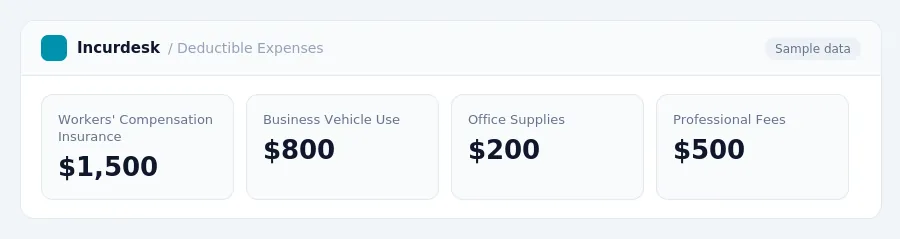
When it comes to tracking expenses, roofing contractors should not forget about workers' compensation insurance and other deductible expenses. These costs can add up quickly, but they are essential for running a successful business. Here are some key things to keep in mind:
To take advantage of tax deductions for workers' compensation insurance, be sure to keep accurate records of your premiums and payments. This includes receipts, invoices, and any other documentation that proves you are paying for the insurance.
Other deductible expenses to consider include:
- Business use of your personal vehicle
- Travel expenses, including meals and lodging
- Equipment maintenance and repair costs
- Office supplies and materials
- Professional fees, such as accountant and lawyer expenses
When tracking these expenses, be sure to keep them separate from personal expenses to ensure accurate tax deductions. Consider using a spreadsheet or other accounting tool to help you stay organized.
This can provide significant tax savings, but be sure to follow the rules carefully to ensure you are eligible.
Keeping this simple: Incurdesk turns submitted expenses into clean expense reports. It is built for small construction teams. Try it free.
Stop losing 4+ hours a week
30-day free trial · No credit card · Setup in 15 minutes