
Fuel and Equipment Expense Tracking for Contractors
A practical, data-backed guide to controlling costs and automating expense workflows.
Small construction businesses need to accurately track and deduct fuel and equipment expenses to maximize their tax savings. For the bigger picture, see our guide to construction expense management for under $10/user (2026). For a complete overview, see our expense management guide.
Calculate Current IRS Mileage Rates
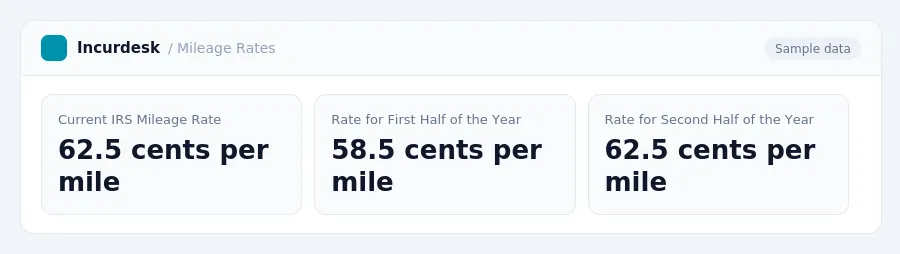
- To calculate your current IRS mileage rate, you need to know the rate that applies to your business use during the year. This rate applies to business miles driven during this time period. You can use this rate to calculate your business mileage expenses for the second half of the year.
- If you drove your vehicle for business during the first half of the year, you need to use the rate that applies to that time period.
- To determine your total business mileage expenses for the year, you'll need to calculate your expenses for both the first and second halves of the year using the respective mileage rates. You can then add these amounts together to get your total business mileage expenses for the year.
- Keep in mind that these mileage rates are subject to change, so be sure to check the IRS website for the most up-to-date information on mileage rates for future years.
Determine Equipment Depreciation Rules
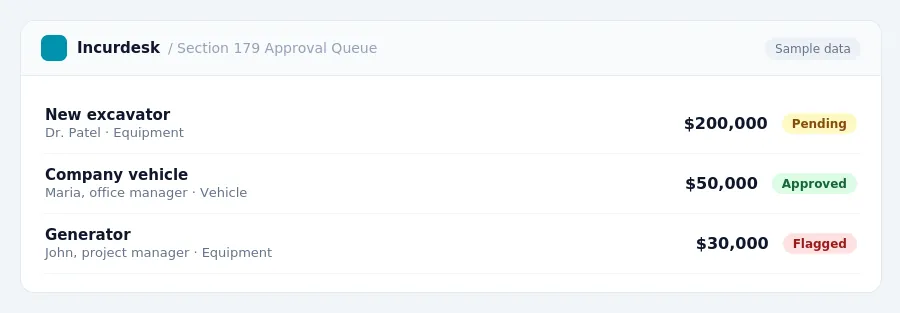
When it comes to determining equipment depreciation rules, there are several factors to consider. To start, you need to understand the Section 179 deduction, which allows businesses to deduct the full cost of qualifying equipment purchases in the first year.
It's also essential to keep accurate records of equipment purchases, including receipts, invoices, and serial numbers.
Here are some key things to keep in mind when determining equipment depreciation rules:
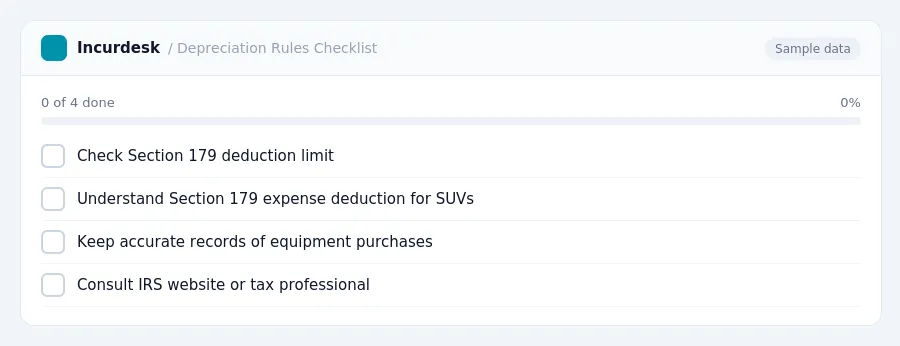
- Check the Section 179 deduction limit for your business.
- Understand the maximum Section 179 expense deduction for SUVs.
- Keep accurate records of equipment purchases.
Consult the IRS website or consult with a tax professional to ensure you're meeting the necessary requirements for the Section 179 deduction.
Track Fuel and Equipment Expenses
-
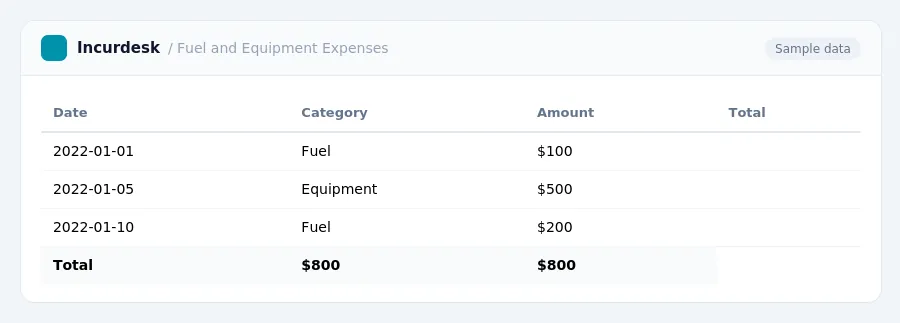
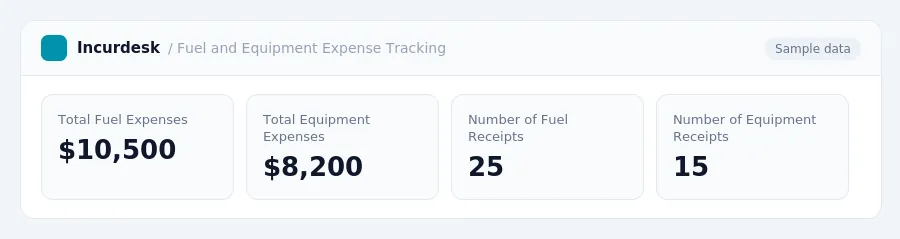
Track fuel and equipment expenses accurately to ensure you're deducting the right amount on your taxes. Keep a log of all fuel purchases, including dates, amounts, and the purpose of each trip. You can use a spreadsheet or a separate logbook for this purpose.
-
For equipment expenses, keep records of the purchase date, purchase price, and depreciation method used. For vehicles, keep track of the odometer reading at the beginning and end of each year, as well as any maintenance or repairs made during the year.
-
For vehicles, you can use the standard mileage rate or actual expenses to calculate your deduction.
-
Keep receipts for all fuel and equipment purchases, and organize them by category (e.g., fuel, equipment, maintenance). This will make it easier to categorize and calculate your expenses at tax time.
-
At the end of each year, total up your fuel and equipment expenses and calculate your deduction. Make sure to keep accurate records in case of an audit.
Avoid Common Pitfalls
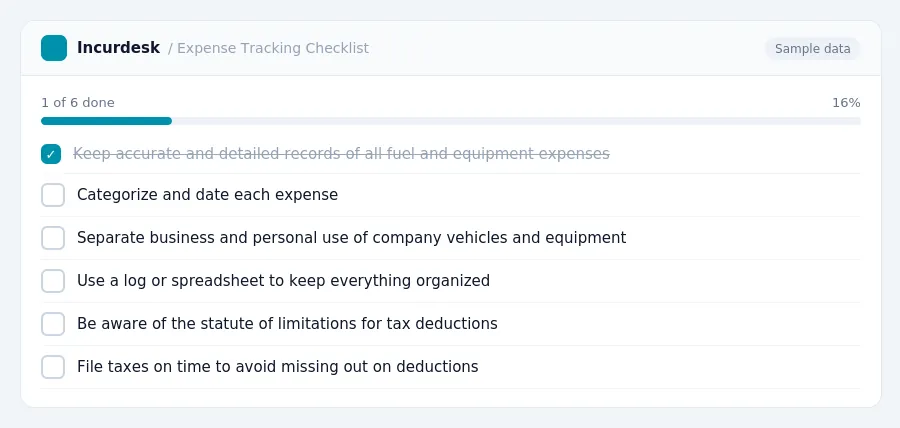
- Keep accurate and detailed records of all fuel and equipment expenses, including receipts, invoices, and bank statements. This will help you to track and verify your expenses when filing your taxes. Make sure to categorize and date each expense, and consider using a log or spreadsheet to keep everything organized.
- Separate business and personal use of company vehicles and equipment to avoid misclassifying expenses. Consider using a log or mileage tracker to keep track of business miles driven and equipment used for business purposes.
- Be aware of the statute of limitations for tax deductions, which is generally three years from the date the tax return was filed or two years from the date the tax was paid, whichever is later. Make sure to keep accurate records and file your taxes on time to avoid missing out on deductions.
- Don't forget to account for any equipment that is sold or disposed of during the year. You may be able to claim a loss on the sale of equipment, but you'll need to keep accurate records of the sale price and any other relevant details.
- Consider consulting with a tax professional or accountant to ensure you're taking advantage of all available deductions and staying compliant with tax laws. They can help you navigate complex tax rules and ensure you're meeting your tax obligations.
Maximize Tax Savings with Section 179 and Bonus Depreciation
To take advantage of Section 179 and bonus depreciation, contractors need to understand the rules and limits. In 2024, the maximum Section 179 expense deduction is $1.22 million, and the phase-out begins when qualified asset additions exceed $3.05 million. For 2025, the maximum Section 179 deduction is $1.25 million. To qualify, equipment and vehicles must be placed in service during the tax year, and the maximum deduction is limited to the total cost of the property.
The IRS provides a bonus depreciation allowance of 100% for qualified property, allowing businesses to deduct the full cost of eligible property in the first year. To maximize tax savings, contractors should review their equipment and vehicle purchases to determine which qualify for Section 179 and bonus depreciation. They should also consult with a tax professional to ensure compliance with all tax laws and regulations.
Table: Section 179 Limits
Keeping this simple: Incurdesk turns submitted expenses into clean expense reports. It is built for small construction teams. Try it free.
Stop losing 4+ hours a week
30-day free trial · No credit card · Setup in 15 minutes