
Home Office Stipends for Remote Accountants
A practical, data-backed guide to controlling costs and automating expense workflows.
Home office stipends for remote accountants are a common practice to ensure compliance with tax laws and accounting expense management for under $10/user (2026). To set up a home office stipend, businesses can follow these steps:
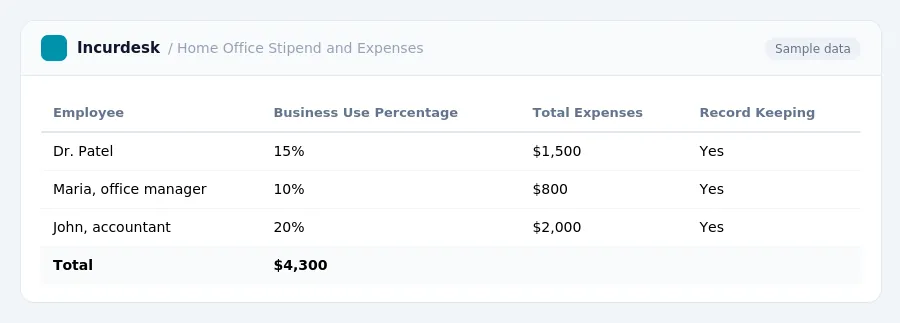
- Determine the business use percentage of the employee's home office space, which varies between 5% and 20% depending on the type of work being done.
- Keep accurate records of the employee's work hours and the specific tasks they perform in their home office.
- Use a standardized form or spreadsheet to track expenses, such as a simple table or a comprehensive accounting system.
- Consider consulting with an accountant or tax professional to ensure compliance with tax laws and to identify any potential tax implications.
- Keep records of the home office expenses for at least three years in case of an audit.
- Review and update the home office stipend policy annually to ensure it remains compliant with changing tax laws and regulations.
Actual Expense
This method is simpler to calculate and requires less paperwork.
To qualify for the actual expense method, the home must be the primary location for administrative or management activities for the business.
For S corp owners, the actual expense method can be structured as an accountable plan expense reimbursement. This means that the S corp deducts the reimbursement and the S corp owner excludes it from income. This structure is beneficial for S corp owners who want to minimize their tax liability.
Stipends and Reimbursements: Choosing the Best Option for Your Business
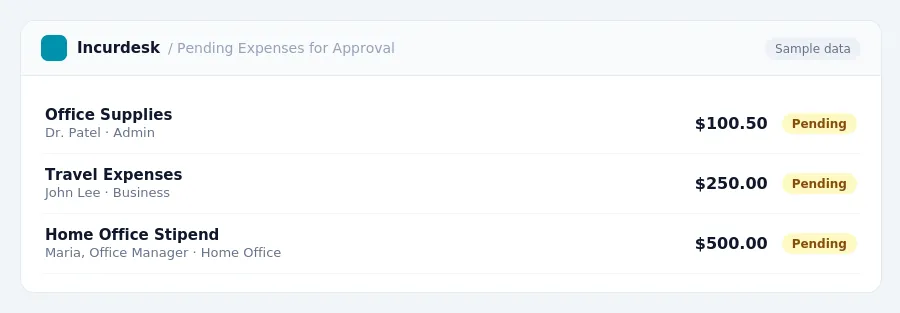
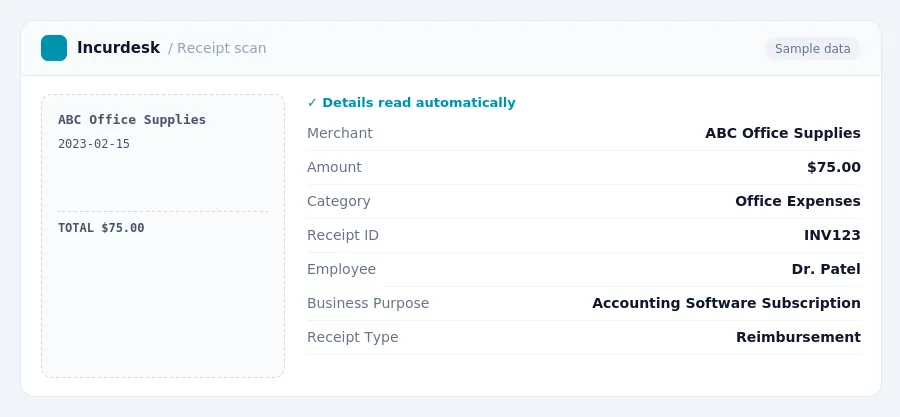
One-time setup stipends often range from $500 to $1,500, while recurring monthly stipends average $50 to $100. Some companies offer higher amounts, such as $1,000-$1,500 one-time and $75-$150 monthly. The reimbursement amount must be used for qualified business expenses, and the business connection must be demonstrated through records, such as receipts and bank statements.
To set up a reimbursement plan, the business owner should consult with an accountant or HR professional to determine the best approach. They should consider factors such as the number of employees, the type of work being performed, and the business's overall expenses.
The home office deduction reduces net self-employment income, which in turn reduces the QBI for the Section 199A deduction. This can have a ripple effect on the overall tax situation, as the reduced QBI can lead to a lower tax liability.
The taxable income thresholds for the QBI deduction, as well as the phase-in ranges and W-2 wage/property limits, are subject to annual adjustments for inflation and legislative changes. For 2026, specific thresholds and widened phase-in ranges are in effect, which can affect the amount of QBI that can be deducted.
It's essential for small accounting businesses to understand the implications of the home office deduction on their net self-employment income and QBI. By structuring their home office expenses correctly and claiming the deduction, businesses can reduce their tax liability and increase their after-tax income.
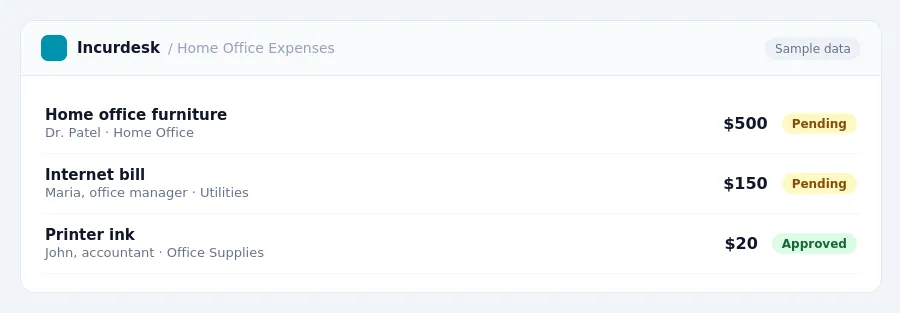
Keeping this simple: Incurdesk keeps receipts and approvals together, so you know exactly what to reimburse. It is built for small accounting teams. Try it free.
Stop losing 4+ hours a week
30-day free trial · No credit card · Setup in 15 minutes