
How Property Managers Track Expenses per Property
A practical, data-backed guide to controlling costs and automating expense workflows.
Small real estate businesses can accurately track and categorize expenses per property for tax purposes and to gauge profitability using real estate expense management for under $10/user (2026). To do so, they must understand what expenses are deductible, how to record them, and comply with the IRS record-keeping requirements.
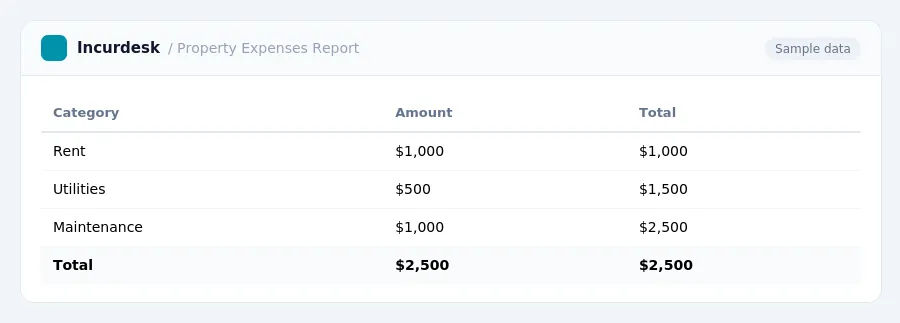
Classify All Property Expenses
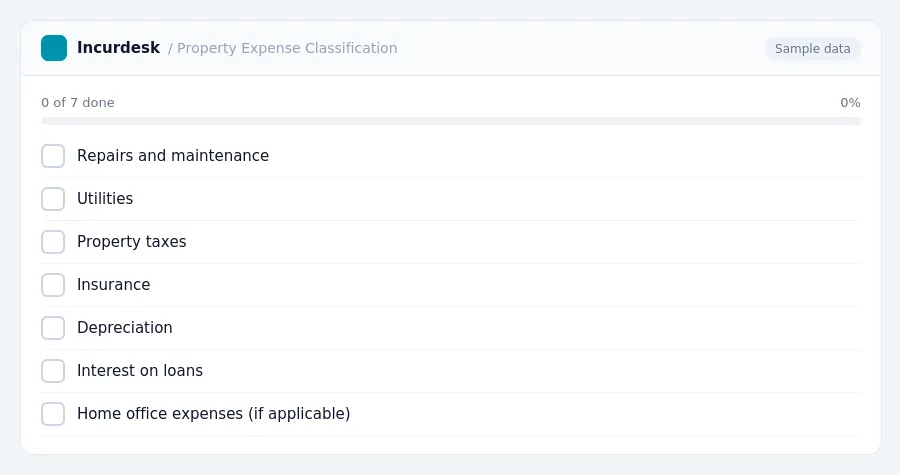
- Classify all property expenses into the following categories:
- Repairs and maintenance
- Utilities
- Property taxes
- Insurance
- Depreciation
- Interest on loans
- For properties with a home office, track all eligible home expenses and prorate them based on the business-use percentage of the home, using the Actual Expense Method.
- Keep accurate records of all property expenses, including receipts and invoices, to support deductions on tax returns.
Record and Categorize Expenses
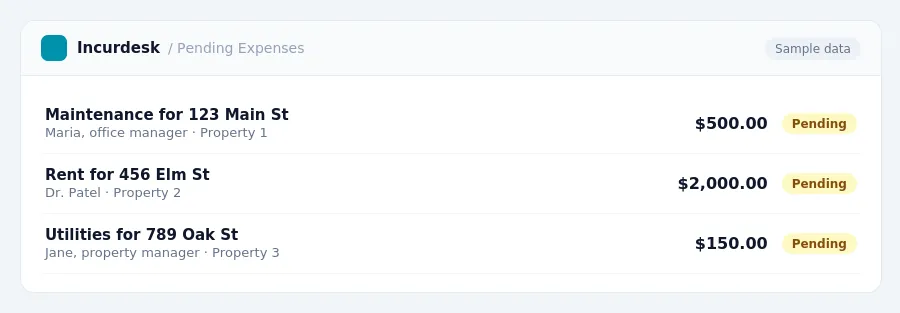
- Create a system for categorizing expenses. Set up separate accounts or sub-accounts for each property to ensure accurate tracking and reporting. This will also help you identify which expenses are associated with which property. Consider using a spreadsheet or accounting software to make it easier to track and categorize expenses.
- Set up a chart of accounts that aligns with the IRS requirements for property management. This will help you ensure that you are recording and categorizing expenses correctly. The chart of accounts should include separate categories for income, expenses, and assets.
- When recording expenses, make sure to include the date, description, and amount of each expense. Be as detailed as possible, and avoid using vague descriptions. This will help you and your accountant quickly identify which expenses are deductible and which are not.
- Use a consistent method for recording and categorizing expenses. This will help ensure that your records are accurate and easy to understand. Consider setting up a template or procedure for recording expenses to make it easier to stay organized.
- This can help reduce your taxable income and increase your cash flow.
Determine Eligible Deductions
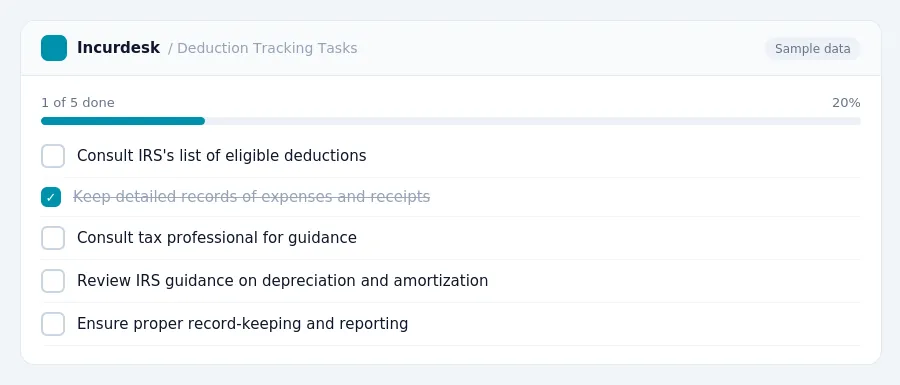
- Consult the IRS's list of eligible deductions for real estate investments to ensure you're not missing any deductions.
- Keep detailed records of all expenses related to each property, including receipts and invoices, to support your deductions.
- Consult with a tax professional to ensure you're taking advantage of all eligible deductions and following the IRS's guidelines for record-keeping and reporting.
- Review the IRS's guidance on depreciation and amortization to ensure you're properly accounting for these expenses.
When determining eligible deductions, it's essential to keep in mind the IRS's rules for record-keeping and reporting.
Maintain Accurate Records
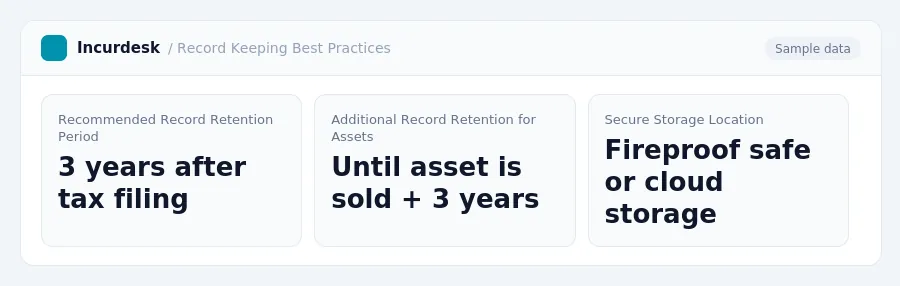
- Keep all property expense records for at least three years after filing your tax return. This allows you to access the information if the IRS requests it during an audit.
- For records related to real estate, rental properties, and investments, keep them as long as you own the asset, plus at least three years after selling it. This ensures you have a record of expenses associated with the property.
- Store your records in a secure location, such as a fireproof safe or a cloud storage service, to protect against loss or damage.
- Organize your records in a way that makes it easy to find specific information, such as by property, expense type, or date. This will save you time when preparing your tax return or responding to an audit notice.
- Consider scanning or digitizing your paper records to make them easier to access and store. This can also help reduce the risk of losing or damaging your records.
- Keep all receipts, invoices, and bank statements related to your property expenses, as these may be requested by the IRS during an audit.
Report Expenses on Schedule E
Rental income and expenses are typically reported on Schedule E (Form 1040). This form is used to report income and expenses from rental properties, including income from real estate investments and business use of your home. To report expenses on Schedule E, follow these steps:
- Combine all rental income and expenses for the year. This includes income from all rental properties, as well as any business use of your home.
- Calculate the net profit or loss from each rental property. This is done by subtracting total expenses from total income for each property.
- This is done by filling out Form 1040, Schedule E, Part I.
- Claim deductions for depreciation, interest, and other expenses on Schedule E, Part II.
- Attach supporting documentation, such as receipts and invoices, to Schedule E.
When filing your tax return, make sure to include Schedule E with your Form 1040. The deadline for filing is typically April 15th of each year. Consult the IRS website for more information on tax deadlines and requirements.
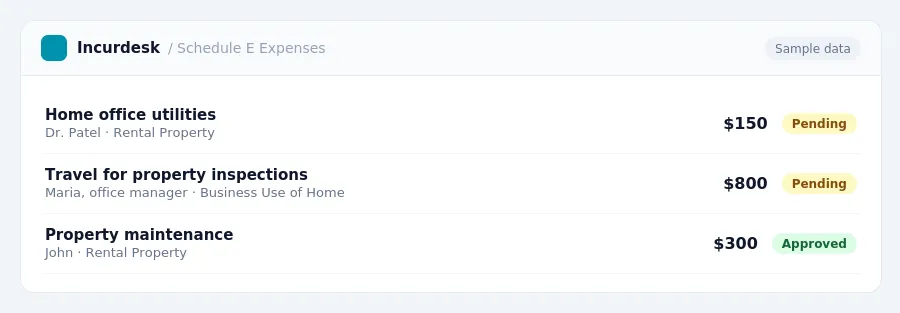
Keeping this simple: Incurdesk turns submitted expenses into clean expense reports. It is built for small real estate teams. Try it free.
Stop losing 4+ hours a week
30-day free trial · No credit card · Setup in 15 minutes