
How to Budget for Veterinary Marketing
A practical, data-backed guide to controlling costs and automating expense workflows.
Small veterinary businesses should aim to spend between 5% and 12% of their gross revenue on marketing in 2026, as recommended by General Small Business Marketing Budget. Effective expense management for veterinary clinics requires allocating this budget wisely across various marketing channels. To ensure a strong return on investment, it's essential to break down costs by channel and avoid common pitfalls.
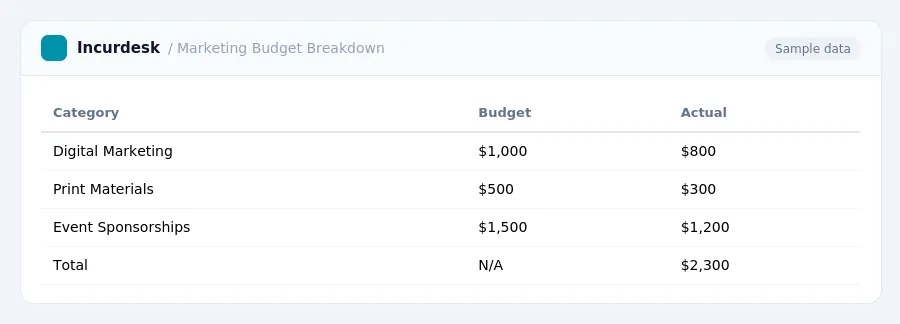
Recommended Spending Percentages for Veterinary Marketing
When it comes to allocating your veterinary marketing budget, it's essential to understand the recommended spending percentages. This range provides a general guideline for small veterinary businesses to follow.
This amount can be broken down into various marketing channels, such as social media, email marketing, and advertising.
To give you a better idea, here are some examples of how different marketing channels might be allocated within the 5-12% range:
- 8%: $80,000 per $1 million in gross revenue (more extensive social media, email marketing, and advertising)
Keep in mind that these are general guidelines, and your specific marketing needs may vary. It's essential to regularly review and adjust your marketing budget to ensure it aligns with your practice's goals and objectives.
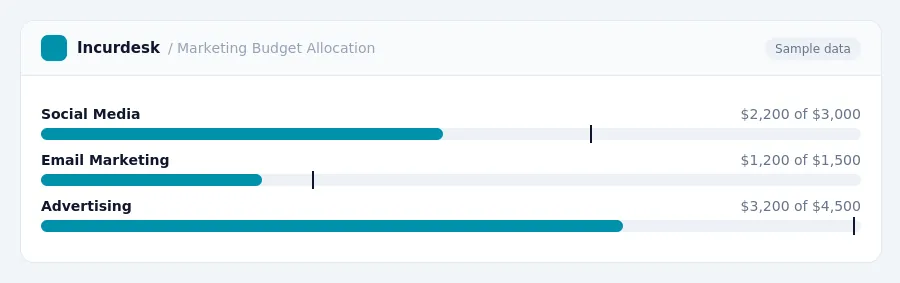
Breaking Down Marketing Costs by Channel
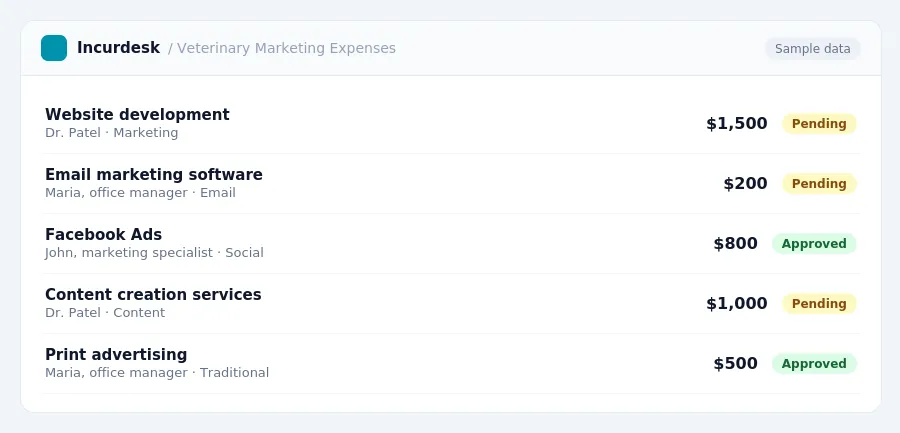
To effectively allocate your veterinary marketing budget, it's essential to break down costs by channel. This includes expenses for:
- Website development: This includes initial website design and ongoing maintenance, updates, and security costs.
- Paid advertising: This includes costs for online ads (e.g., Google Ads, Facebook Ads) and offline ads (e.g., print, radio, TV).
- Email marketing: This includes costs for email service providers, email list management, and email content creation.
- Content creation: This includes costs for blog posts, social media content, videos, and other marketing materials.
- Traditional advertising: This includes costs for print, radio, TV, and other offline advertising channels.
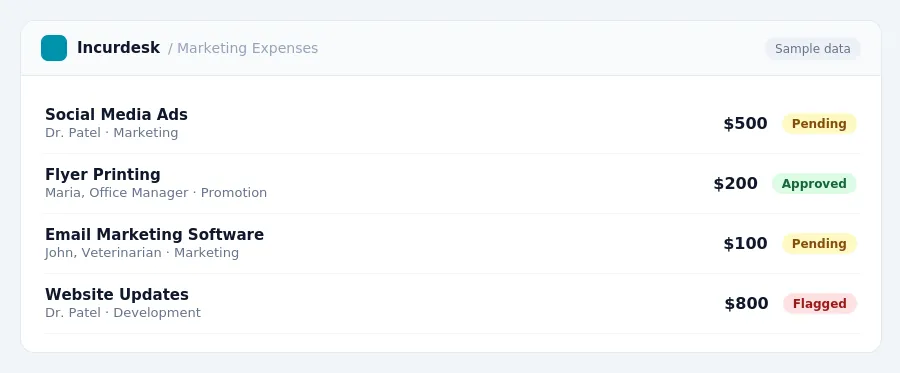
According to the Tax Deductibility of Marketing Expenses, these costs should be tracked and recorded separately to accurately calculate your marketing expenses.
Consider allocating your budget as follows:
Common Pitfalls to Avoid in Veterinary Marketing Budgeting
When it comes to budgeting for veterinary marketing, there are several common pitfalls to avoid in order to get the most out of your investment. Here are some practical tips to keep in mind:
- Don't overspend on a single channel. While some channels may seem more effective than others, it's essential to spread your marketing budget across multiple channels to reach a wider audience and achieve a more balanced marketing strategy.
- Don't neglect ongoing costs. One-time expenses like website redesigns or advertising campaigns can be tempting, but don't forget to budget for ongoing costs like content creation, social media management, and email marketing software.
- Don't underestimate the importance of measurement and tracking. Without clear metrics to measure the success of your marketing efforts, it's impossible to make informed decisions about where to allocate your budget.
- Don't wait too long to adjust your budget. Market conditions and consumer behavior can change quickly, so it's essential to regularly review your budget and make adjustments as needed.
- Don't forget to budget for staff time. In-house marketing efforts require staff time, and failing to account for this in your budget can lead to burnout and decreased productivity.
By avoiding these common pitfalls and staying focused on your marketing goals, you can make the most of your budget and drive measurable growth for your veterinary practice.
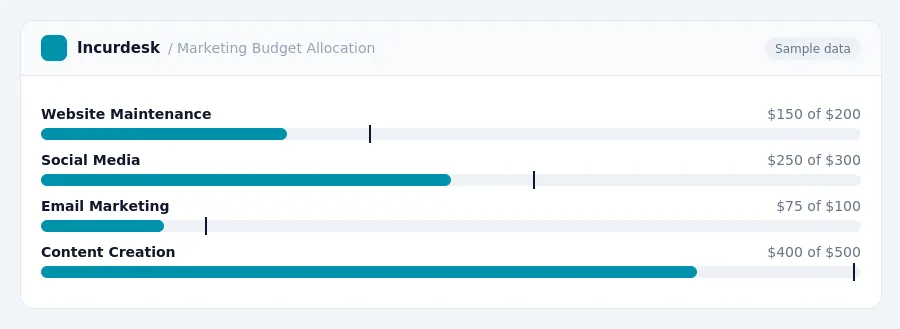
Allocating Marketing Budgets for Measurable Growth
When allocating your veterinary marketing budget, focus on measurable growth by setting clear goals and tracking progress. Start by identifying your target audience, such as pet owners in your local area, and determine which marketing channels will reach them most effectively.
Determine which marketing channels will provide the best return on investment for your practice. Consider the costs and benefits of each channel, such as the cost of creating and distributing print materials versus the cost of running social media ads.
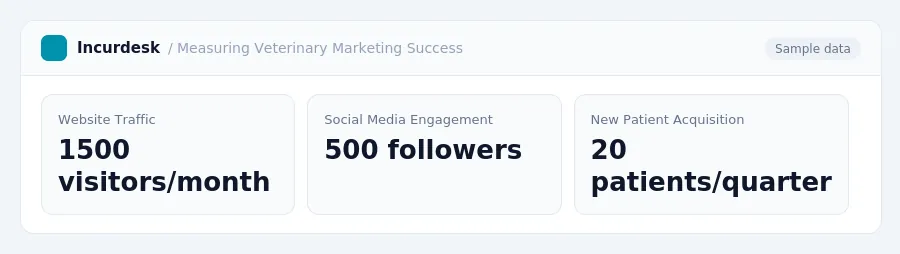
Establish key performance indicators (KPIs) to measure the success of your marketing efforts. This might include metrics such as website traffic, social media engagement, and new patient acquisition. Use these KPIs to adjust your marketing strategy and allocate your budget accordingly.
Set aside a portion of your marketing budget for testing and experimentation. This will allow you to try new channels and tactics, and measure their effectiveness before committing to larger-scale investments.
Review and adjust your marketing budget regularly to ensure it remains aligned with your business goals. Consider factors such as changes in the market, shifts in your target audience, and the effectiveness of your current marketing channels.
Measuring Return on Investment for Veterinary Marketing
Measuring the effectiveness of your veterinary marketing efforts is crucial to ensure you're getting a strong return on investment. To do this, you'll need to track key performance indicators (KPIs) that align with your business goals.
Set clear, measurable objectives for your marketing campaigns, such as increasing website traffic, boosting social media engagement, or driving new patient acquisition. This will help you determine what's working and what areas need improvement.
Use a combination of quantitative and qualitative metrics to evaluate your marketing performance. Quantitative metrics include website analytics, social media metrics, and email open rates. Qualitative metrics involve gathering feedback from patients and staff, as well as monitoring online reviews and testimonials.
Regularly review and analyze your marketing data to identify trends, patterns, and areas for improvement. Make adjustments to your marketing strategy as needed to optimize your return on investment.
To ensure you're meeting this benchmark, track your marketing expenses and adjust your budget as needed to maintain a healthy return on investment.
Action Steps:
- Establish clear, measurable marketing objectives.
- Track quantitative and qualitative metrics to evaluate marketing performance.
- Regularly review and analyze marketing data to identify areas for improvement.
- Adjust marketing strategy as needed to optimize return on investment.
Keeping this simple: Incurdesk collects every receipt and expense report in one place, so spending is easy to review. It is built for small veterinary teams. Try it free.
Stop losing 4+ hours a week
30-day free trial · No credit card · Setup in 15 minutes