
How to Track Lab Fees and Case Costs per Dentist
A practical, data-backed guide to controlling costs and automating expense workflows.
Small dental practices can effectively track laboratory fees and associated case costs for each dentist by establishing a clear expense management system. This involves understanding the direct costs of lab work, such as materials, shipping, and handling fees, to accurately calculate their impact on profitability per procedure and per dentist. By implementing a system for tracking and budgeting these costs, dental practice owners and managers can gain financial control and identify cost-saving opportunities. For the bigger picture, see our guide to expense management for dental practice. For a complete overview, see our expense management guide.
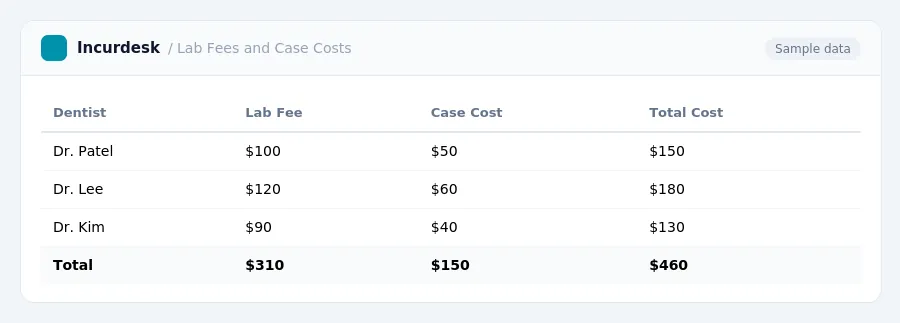
Track Lab Fees and Case Costs
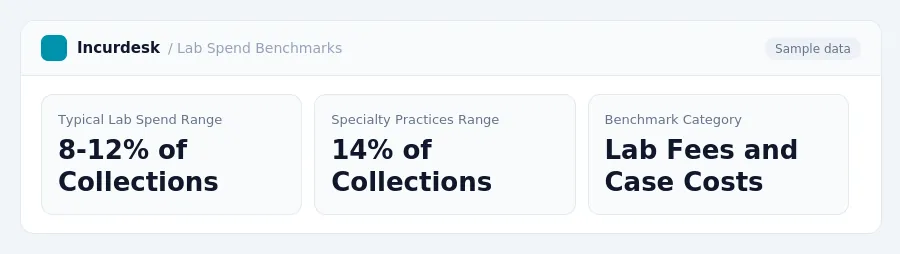
- Track lab fees as a percentage of collections monthly, not quarterly. This will help you effectively manage your lab overhead and identify any trends or issues early on. As a general rule, lab costs typically range from 8-12% of collections for general dental practices, while specialty practices may exceed 14%.
- Consider lab fees as a direct overhead expense, similar to rent or staff salaries. This will help you accurately allocate costs and make informed decisions about pricing and budgeting.
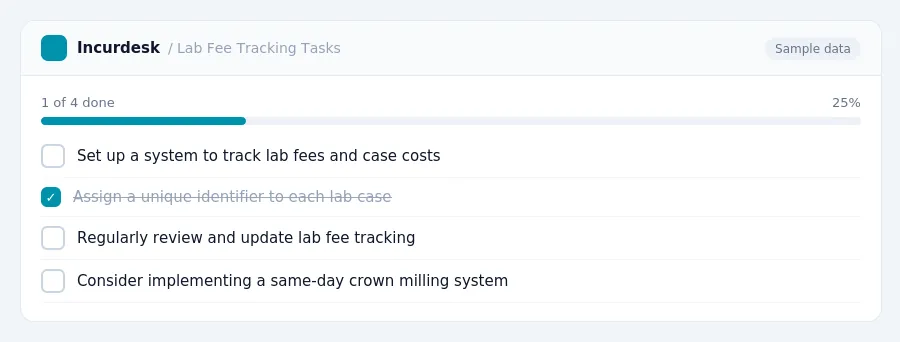
- Set up a system to track and record all lab fees, including the cost of each procedure and the corresponding lab fee. This will help you calculate your total lab spend and identify areas where you can reduce costs.
- Review your lab spend regularly to ensure it is within your desired range. If you find that your lab costs are higher than expected, consider adjusting your pricing or exploring cost-saving options.
- Keep accurate records of your lab spend, including the date, procedure, and corresponding lab fee. This will help you track your lab costs over time and make informed decisions about your practice's finances.
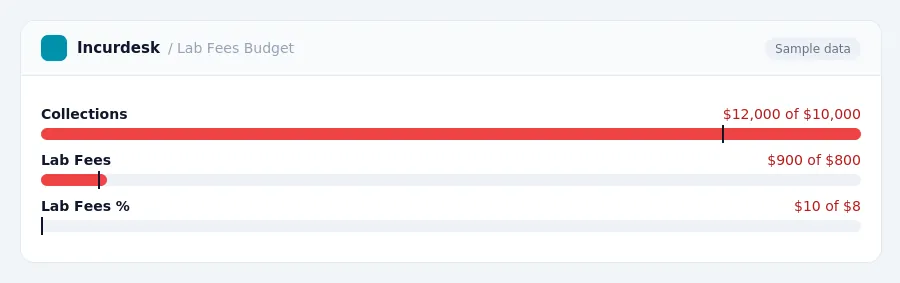
Set Benchmarks and Calculate Lab Spend
- Start by identifying your lab fees for each procedure, such as crowns, bridges, and dentures. For example, a full denture arch can cost anywhere from $120 to $300 in lab fees. Be sure to note any variations in lab fees for different materials or types of cases.
- Create a list of your most common procedures and their associated lab fees. This will help you establish a baseline for your lab spend.
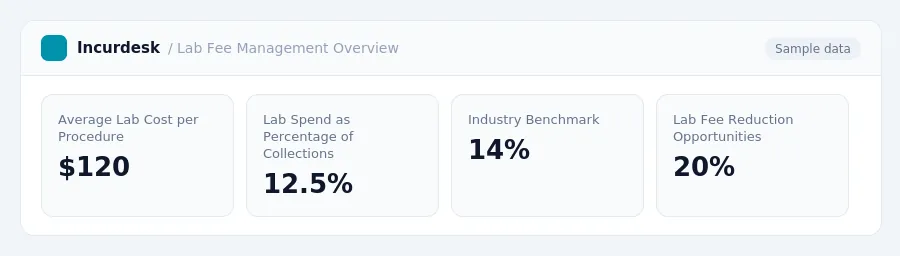
- Calculate your total lab spend as a percentage of collections. For general dental practices, lab costs typically range from 8-12% of collections. Specialty practices, particularly those heavy in cosmetic or implant work, may exceed 14%. You can use this information to set a benchmark for your practice.
- Track your actual lab spend for a period of time, such as a month or quarter, to compare it to your benchmark. You can use a spreadsheet or table to record your lab fees, collections, and lab spend percentage.
- Use the data to identify areas where you can reduce lab spend, such as by negotiating with labs or streamlining your workflow.
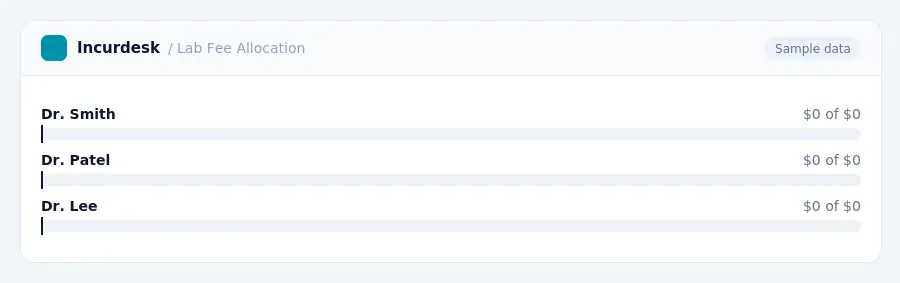
Assign Lab Fees to Dentists
- Assign lab fees to each dentist based on the specific lab work they perform. Start by categorizing lab procedures, such as single implant crowns, which can cost between $45 and $65. Create a list of common lab procedures and their corresponding costs.
- Single implant crown: $45-$65
- Dental crown: $20-$50
- Assign a percentage of the total lab cost to each dentist based on their individual workload.
- Review and adjust the lab fee assignment regularly to ensure it accurately reflects each dentist's workload and lab costs.
- Consider using a table to track lab fees and costs for each dentist, including the number of procedures, total cost, and percentage of total lab cost.
Implement a System for Accurate Tracking
- Establish a system to track lab fees and case costs for each dentist. This can be done by setting up a spreadsheet or using a dental practice management system that allows for detailed tracking and reporting.
- Set up a separate account or ledger for lab fees to ensure accurate tracking and avoid commingling lab costs with other expenses.
- Assign a unique identifier or code to each lab case to track its associated costs and fees. This can be done by assigning a code to each patient and case number.
- Set up a schedule to regularly review and update lab fee tracking, such as weekly or monthly, to ensure accuracy and identify areas for cost savings.
- Consider implementing a same-day crown milling system, which can pay for itself in 18-30 months, to reduce lab costs and improve efficiency.
- Use a to track and compare lab fees and case costs for each dentist, and to identify areas for cost savings.
Monitor and Adjust Lab Fee Management
- Regularly review and analyze lab fee reports to identify areas for cost reduction and optimize pricing. For instance, if a dentist is consistently performing full contour Zirconia crowns, which have a lab fee range of $70-$100+, consider negotiating with the lab for a better rate.
- Use a tiered pricing system to adjust lab fees based on the type of restoration.
- Consider implementing a " lab fee cap" for certain procedures, such as partial dentures, which have a lab fee range of $100-$200. This can help control costs and ensure that lab fees do not exceed a certain percentage of collections.
- Keep track of the average lab cost per procedure and compare it to the overall lab spend as a percentage of collections. Specialty practices may exceed 14%.
- Compare your lab fee management to industry benchmarks and adjust your strategy accordingly. For example, if your lab costs are consistently higher than industry benchmarks, consider adjusting your pricing strategy or negotiating with labs for better rates.
Keeping this simple: Incurdesk turns submitted expenses into clean expense reports. It is built for small dental practice teams. Try it free.
Stop losing 4+ hours a week
30-day free trial · No credit card · Setup in 15 minutes