
How to Track Spend Per Door Without a Spreadsheet
A practical, data-backed guide to controlling costs and automating expense workflows.
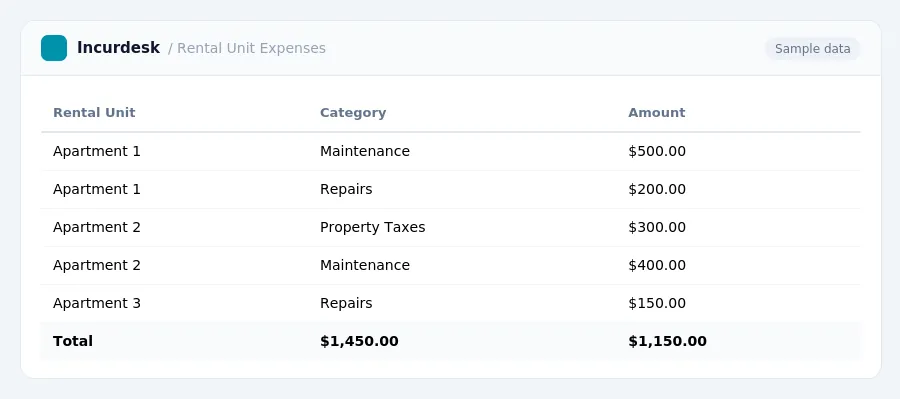
Small property management businesses can efficiently track expenses per rental unit without relying on spreadsheets by implementing effective expense management for property management To ensure profitability and compliance, owners and office managers need to accurately categorize and track expenses, including maintenance, repairs, and property taxes. By doing so, they can gain clear financial insights into each property's performance.
Optimizing Overhead Costs and Trust Accounts
As a property manager, it's essential to keep separate trust accounts for client funds, such as rent collected, security deposits, and reserve funds, and not commingle them with operating funds. This is a requirement in most US states.
- Keep a separate trust account for each client.
- Label each account clearly, indicating the client's name and the type of funds held.
- Use a unique account number or identifier for each trust account.
For trust accounts, it's recommended to:
- Use a trust account reconciliation process to ensure accuracy and detect any discrepancies.
- Review and reconcile trust accounts regularly, ideally on a monthly basis.
- Keep detailed records of all transactions, including deposits, withdrawals, and transfers.
When managing trust accounts, consider the following:
- Use a separate bank account for trust funds to avoid commingling with operating funds.
- Ensure that all trust account transactions are properly documented and supported.
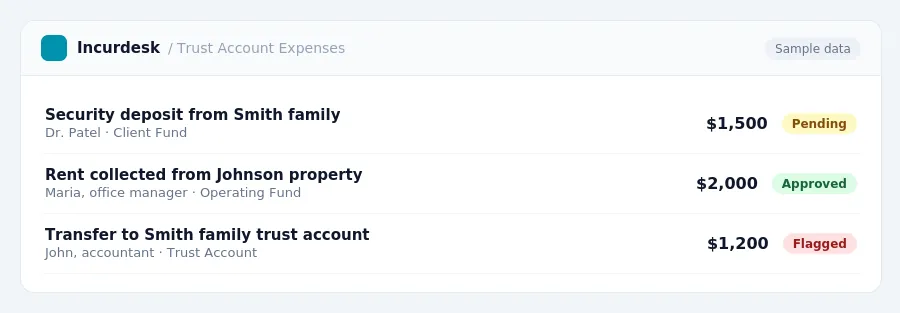
Keeping this simple: Incurdesk keeps receipts and approvals in one place, which makes a written policy easier to follow. It is built for small property management teams. Try it free.
Accurate Record-Keeping and Compliance Strategies
Here are some strategies to help you maintain accurate records:
- Implement a centralized system for tracking all financial transactions, including receipts, invoices, and bank statements.
- Use a consistent naming convention for files and folders to ensure easy access to documents.
- Set up a schedule to regularly review and reconcile financial records, such as monthly or quarterly.
- Consider implementing a system for tracking mileage, such as using a mileage log or a mobile app.
When it comes to compliance, make sure to:
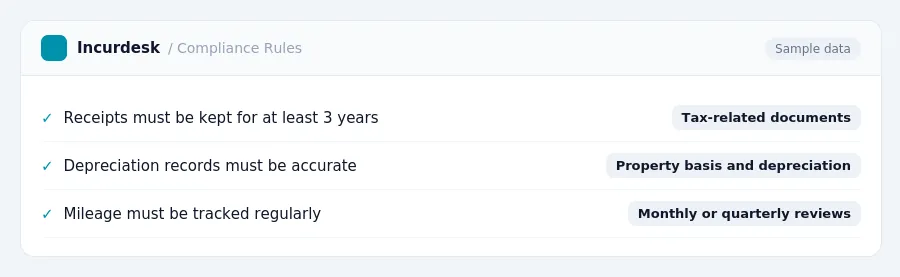
- Keep all tax-related documents, including receipts and invoices, for at least three years in case of an audit.
To ensure compliance, make sure to:
- Keep accurate records of depreciation and basis for each property.
Calculating Depreciation and Depreciation Recapture
Depreciation is a key concept in rental property accounting, and it's essential to understand how to calculate it correctly.
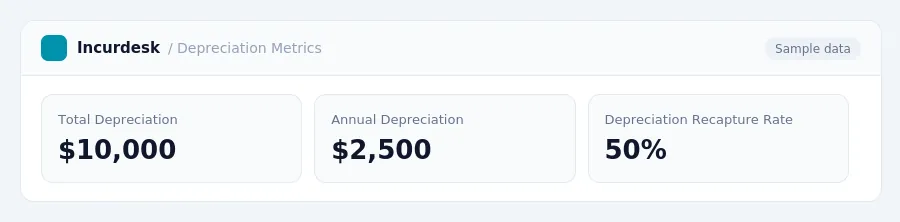
To calculate depreciation, you'll need to determine the cost basis of your property, which includes the purchase price, closing costs, and any improvements made to the property.
When you sell your rental property, you'll need to calculate depreciation recapture.
Your depreciation recapture would be:
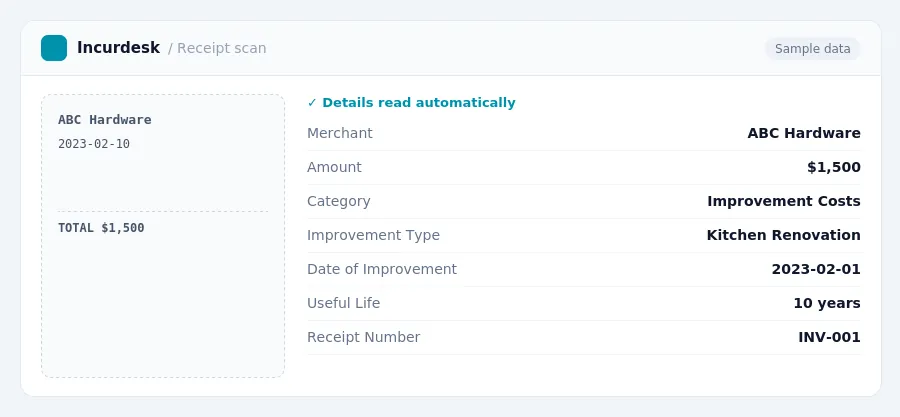
When making improvements to a rental property, such as installing new appliances or renovating a unit, keep detailed records of the costs and date of the improvements.
- Keep receipts and invoices for all improvement costs.
- Record the date of the improvement and the type of improvement made.
- Keep track of the useful life of the improvement, as this will impact how it is depreciated over time.
When filing taxes, property owners can deduct the cost of improvements in the year they are made, but they must also depreciate the improvements over their useful life.
Regularly review and update your records to ensure accuracy and compliance with tax laws. This will help you make informed decisions about your rental properties and avoid any potential tax liabilities.
Stop losing 4+ hours a week
30-day free trial · No credit card · Setup in 15 minutes