
Implant and Ortho Inventory Carrying Costs
A practical, data-backed guide to controlling costs and automating expense workflows.
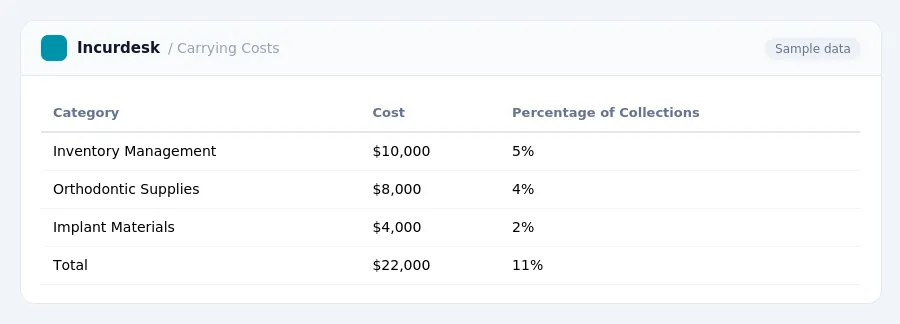
Managing implant and orthodontic inventory carrying costs is crucial for small dental practices to maintain profitability. Effective expense management for dental practice requires a clear understanding of inventory valuation methods and simplified accounting options. By optimizing stock levels and minimizing waste, dental practices can reduce carrying costs, which can range from 5-7% of collections, and improve overall financial health.
Minimizing Waste and Optimizing Stock Levels
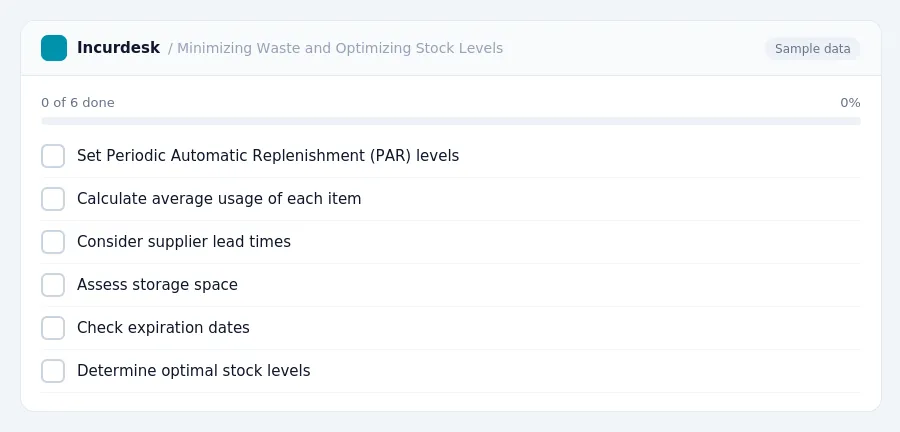
Minimizing waste and optimizing stock levels are crucial for small dental practices to manage implant and ortho inventory carrying costs effectively. To achieve this, consider the following steps:
Set Periodic Automatic Replenishment (PAR) levels to ensure you have the right amount of inventory on hand. PAR levels are minimum stock quantities based on average usage, supplier lead times, storage space, and expiration dates. To determine your PAR levels, consider the following:
- Calculate your average usage of each item over a set period, such as a month or quarter.
- Consider your supplier lead times to ensure you have enough inventory to cover demand during peak periods.
- Assess your storage space to ensure you have room for the optimal stock levels.
- Check expiration dates to avoid stock that is near or past its expiration date.
Some benchmarks suggest 5-7% for dental supplies, but this may vary depending on your specific practice. To determine the optimal stock levels for your practice, track your inventory levels and adjust your PAR levels accordingly.
Monitor your inventory levels regularly and adjust your PAR levels as needed. This will help you minimize waste and optimize stock levels, reducing carrying costs and improving profitability.
Keeping this simple: Incurdesk lets your team snap a photo of a receipt and fills in the details for you. It is built for small dental practice teams. Try it free.
Carrying Costs and Their Impact on Profitability
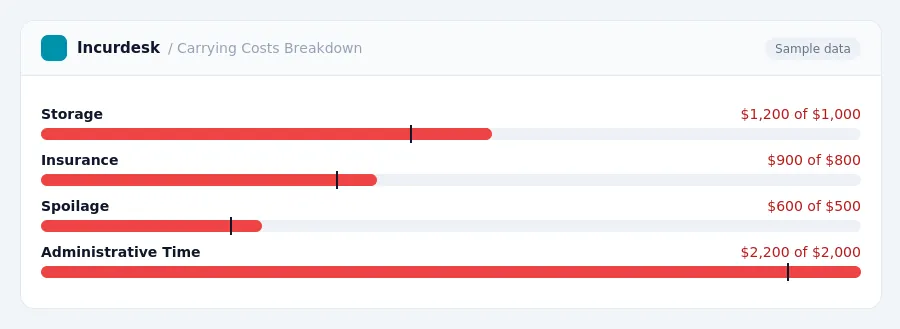
Carrying costs encompass storage, insurance, spoilage, and administrative time. Eligible small businesses can expense inventory costs when paid or consumed (NIMS), use their AFS method, or use their regular book accounting method (2026 Tax Year). To calculate carrying costs, consider the following steps:
- Identify the carrying costs associated with your implant and ortho inventory.
- Calculate the total carrying costs as a percentage of your inventory value. Some benchmarks suggest 5-7% for dental supplies.
Keep in mind that carrying costs can impact your profitability. As a small dental practice, it's essential to understand and manage these costs to optimize your inventory levels and improve your bottom line.
Understanding Inventory Valuation Methods for Implant and Ortho Inventory
Traditional inventory accounting methods involve calculating the cost of goods sold (COGS) using the formula: Beginning Inventory + Purchases – Ending Inventory = COGS.
However, dental practices with average annual gross receipts of $32 million or less over the prior three tax years may be eligible for simplified inventory accounting methods. This can simplify the process and reduce administrative burdens.
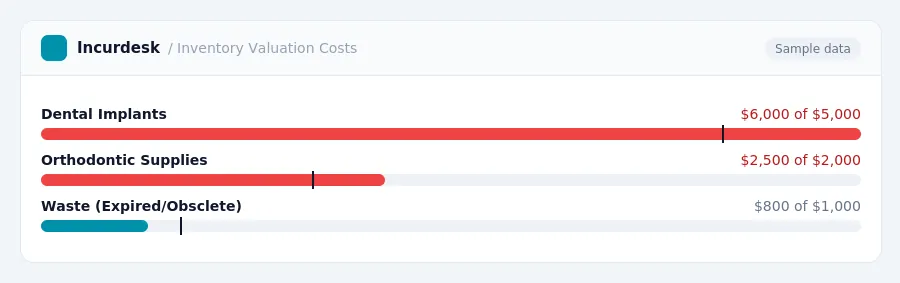
When valuing implant and orthodontic inventory, expired or obsolete items can significantly impact costs. The average all-in cost for a single dental implant ranges from $3,000 to $6,500, and full-mouth implant restorations like All-on-4 can range from $15,000 to $35,000 per arch. To minimize waste, some benchmarks suggest that dental supplies should not exceed 5-7% of collections.
It's essential to regularly review and adjust inventory levels to ensure they align with patient needs and business goals. By understanding the different inventory valuation methods and implementing effective inventory management strategies, small dental practices can optimize their financial performance and reduce waste.
Simplified Accounting Options for Small Dental Practices
For small dental practices, managing implant and orthodontic inventory carrying costs can be complex. However, there are simplified accounting options available that can help make the process easier. If your practice exceeds the $32 million gross receipts threshold, you must use traditional inventory accounting, capitalizing costs and deducting them as Cost of Goods Sold (COGS) when items are sold.
For practices below this threshold, you can use the "first-in, first-out" (FIFO) method to value your inventory. This method assumes that the oldest items in your inventory are sold first. You can also use the "average cost" method, which calculates the average cost of all items in your inventory.
When tracking your inventory, it's essential to keep accurate records of your purchases and sales. This will help you determine the value of your inventory and calculate your COGS. You can use a spreadsheet or accounting software to track your inventory and calculate your COGS.
Some benchmarks suggest 5-7% for dental supplies. Review your inventory regularly to ensure you're not accumulating too much of any one item, especially those expiring within 90 days.
Strategies for Effective Inventory Management in Small Dental Practices
When implementing effective inventory management, consider the following strategies:
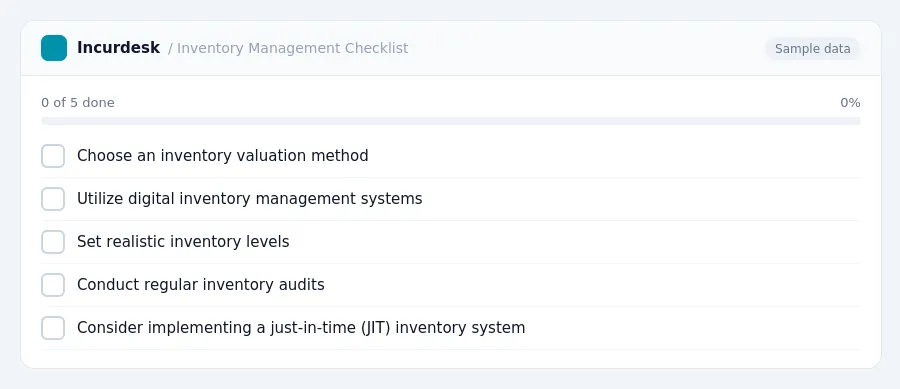
- Choose an inventory valuation method that suits your practice, such as FIFO, LIFO, specific identification, or weighted-average cost, for tax purposes (2026 Tax Year).
- Utilize digital inventory management systems that provide alerts for low stock and expiring products, ensuring timely restocking and minimizing waste.
- Set realistic inventory levels based on historical sales data and industry benchmarks, such as 5-7% of collections for dental supplies (2026).
- Conduct regular inventory audits to identify slow-moving or obsolete items and consider liquidating or replacing them with more in-demand products.
- Consider implementing a just-in-time (JIT) inventory system, which replenishes stock just before it's needed, to minimize waste and optimize stock levels.
Stop losing 4+ hours a week
30-day free trial · No credit card · Setup in 15 minutes