
Is Expense Management Software Worth It Under 10 Employees
A practical, data-backed guide to controlling costs and automating expense workflows.
For small business owners with fewer than 10 employees, expense management software can be a valuable investment. By automating and streamlining financial processes, expense management software can help reduce errors and ensure compliance with tax laws and regulations. This can be especially beneficial for businesses with limited resources or those that require frequent updates to their expense reports.
While there is no one-size-fits-all answer to the question of whether expense management software is worth it for under 10 employees, it is generally considered a worthwhile investment. The cost of the software is typically lower than the costs associated with manual expense reporting and accounting processes. For the bigger picture, see our guide to expense management software for under $10/user (2026).

Streamlining Financial Processes with Expense Management Software
Expense management software can significantly improve the efficiency of small businesses with fewer than 10 employees. By automating the process of tracking and submitting expense reports, these businesses can save time and reduce the likelihood of errors.
One of the primary benefits of expense management software is the reduction in paperwork and administrative burdens.
Another advantage is the ability to generate reports and invoices in real-time, making it easier to track expenses and manage financial processes. This can lead to improved accuracy, as employees are less likely to misclassify or misrecord expenses.
In terms of compliance, expense management software can help businesses adhere to regulatory requirements, such as FICA tax reporting. By automating the process of submitting expense reports, businesses can ensure that they are in compliance with these regulations.
Finally, expense management software can help businesses reduce costs associated with manual expense reporting and reimbursement processes. By streamlining financial processes, these businesses can save money and improve overall financial management.
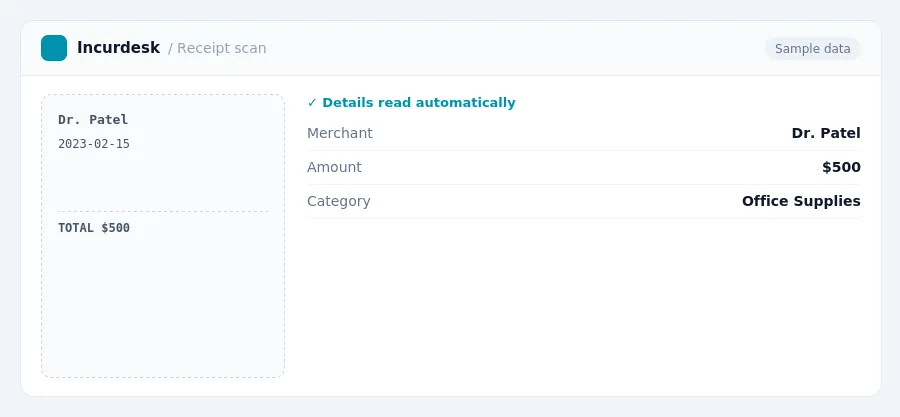
Keeping this simple: Incurdesk lets your team snap a photo of a receipt and fills in the details for you. It is built for small small teams. Try it free.
Improving Accuracy with Expense Management Software
This means that employees can submit receipts for expenses that are eligible for reimbursement, such as business use of a home office or travel expenses, without having to attach a receipt to the expense report.
To ensure accuracy, employees should follow these steps:
- Keep accurate and detailed records of all expenses, including receipts, invoices, and bank statements.
- Use a reliable and secure system to store and manage expense reports.
- Verify the accuracy of expense reports by cross-referencing them with receipts and invoices.
- Consider using a mobile app or online portal to submit and review expense reports electronically.
- Regularly review and update expense reports to ensure accuracy and completeness.
This can help to reduce the risk of audit and ensure that employees are taking advantage of available tax benefits.
Benefits of Expense Management Software
Expense management software can provide significant value to small businesses with fewer than 10 employees, even if they have a limited budget. By automating the expense submission process, these small businesses can reduce the time and effort required to manage their expenses, leading to increased accuracy and reduced errors.
One of the key benefits of expense management software is its ability to capture and store receipts electronically, using Optical Character Recognition (OCR) technology to extract data from images. This allows for faster and more accurate expense reporting, with the ability to automatically categorize and classify expenses.
With expense management software, small businesses can also create and enforce expense policies, which can help to ensure compliance with relevant rules and regulations. Automated approval workflows and real-time reporting can also help to identify and prevent errors, reducing the risk of financial discrepancies.
In terms of cost, the implementation of expense management software can vary depending on the specific software and the size of the business. However, the total cost of ownership can be lower than the cost of manual expense management processes, as the software can be used to automate many tasks and reduce the need for paper and ink.
In terms of specific costs, the total cost of ownership for expense management software can vary from $5 to $20 per employee per year, depending on the complexity of the software and the size of the business. However, this cost can be offset by the significant time and effort saved by automating the expense submission process.
Costs of Implementing Expense Management Software
When considering expense management software for small businesses with fewer than 10 employees, it's essential to understand the costs involved in implementing and maintaining such systems. While the initial investment may seem significant, the long-term benefits can far outweigh the costs.
One of the primary costs of implementing expense management software is the cost of hardware and software. This can include laptops, tablets, or smartphones, as well as any necessary accessories or equipment.
The cost of software licenses is typically determined by the number of users and can range from a few hundred to several thousand dollars per year. This cost can be spread over several years, making it a relatively affordable option for small businesses.
Hardware costs, such as printers and scanners, can also add up over time. However, many businesses can negotiate with vendors to get the best deals on these items.
The cost of training and support for the software is also an important consideration. While this may seem like a significant expense, it's often worth it to avoid the hassle and cost of manual expense tracking and reimbursement processes.
It's also worth noting that many small businesses can save money by implementing expense management software without breaking the bank. For example, a business with 5 employees can still benefit from the cost savings of using software, even if it's just a few hundred dollars per year.
Overall, the costs of implementing and maintaining expense management software can vary widely depending on the specific needs and budget of the business. However, with careful planning and execution, it's possible to find a solution that fits the budget and meets the needs of the business.
Ensuring Compliance with Expense Management Software
Mandatory receipt of all expenses is recommended to avoid potential issues and ensure full compliance with regulations. This includes receipts for expenses such as gas, meals, and travel.
To ensure compliance, it is essential to implement a robust expense management system that allows for the tracking and verification of all expenses. This can be achieved by setting up a system that automatically extracts and categorizes expenses, and then verifying them against the employee's pay stubs and other records.
It is also crucial to establish a clear policy on expense reimbursement, including the types of expenses that can be reimbursed, the approval process, and the deadline for returns. This will help to prevent disputes and ensure that expenses are reimbursed accurately and on time.
Furthermore, it is recommended to conduct regular audits to ensure that all expenses are properly documented and that compliance with regulations is maintained. This can be done by reviewing the company's expense management system, checking the accuracy of expense reports, and ensuring that all employees are aware of the importance of compliance.
Tax rules, limits and rates change. Confirm current figures with the IRS or your accountant before you file.
Stop losing 4+ hours a week
30-day free trial · No credit card · Setup in 15 minutes