
Is Expense Software Worth It Under Ten Agents
A practical, data-backed guide to controlling costs and automating expense workflows.
For small real estate businesses with fewer than ten agents, investing in expense software can be a worthwhile decision. It can help streamline processes, reduce errors, and provide financial insights to maximize deductions, ensuring IRS compliance and improving profitability. With real estate expense management for under $10/user (2026), small businesses can unlock the potential for tax benefits like mileage, home office costs, and professional fees, and potentially claim up to a 20% Section 199A QBI deduction.
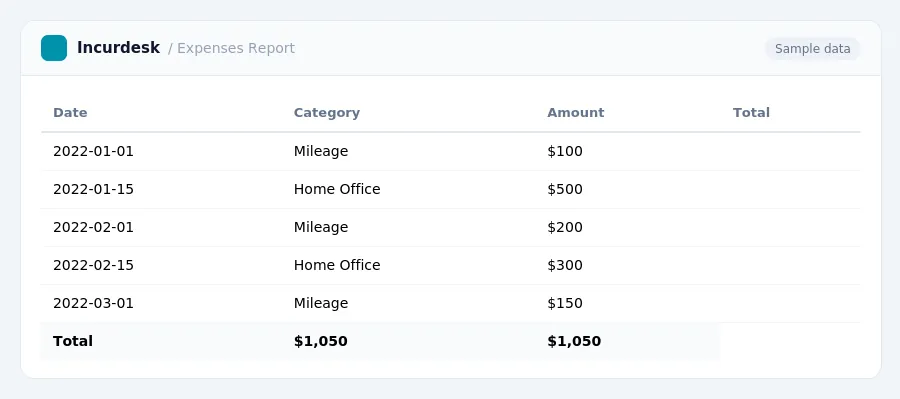
Streamlining Home Office Expenses and Deductions
Accurately tracking home office expenses is crucial for real estate agents, as it can significantly impact their tax deductions. There are two methods for claiming home office deductions: the simplified method and the regular method.
- The simplified method allows for a deduction of $5 per square foot of home used for business, with a maximum of 300 square feet, resulting in a maximum deduction of $1,500 per year.
- The regular method involves tracking actual home expenses (mortgage interest, rent, utilities, insurance, repairs, depreciation) and deducting the business-use percentage.
- The rate for incidental expenses only is $5 per day, regardless of location.
When using the regular method, it's essential to keep accurate records of all home expenses, including receipts and invoices. This will help you calculate the business-use percentage and claim the correct deduction.
For example, if you use 20% of your home for business purposes, you can deduct 20% of your total home expenses, including mortgage interest, rent, utilities, insurance, repairs, and depreciation.
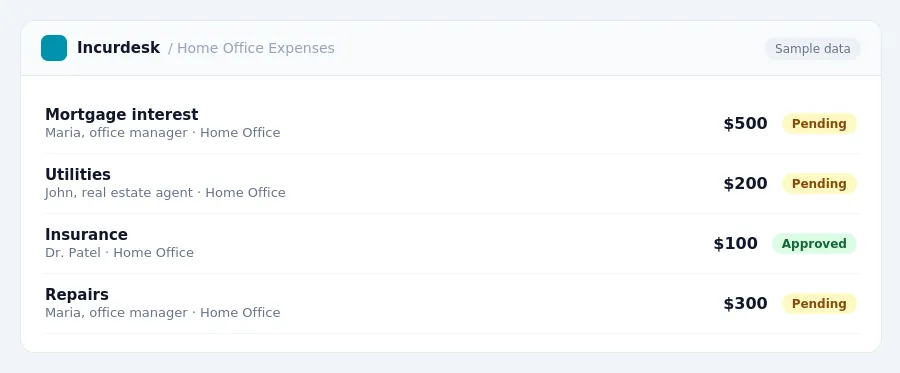
Keeping this simple: Incurdesk turns submitted expenses into clean expense reports. It is built for small real estate teams. Try it free.
Accurately Tracking Business Expenses and Complying with IRS Regulations
Accurately tracking business expenses and complying with IRS regulations are crucial for small real estate businesses. To ensure compliance, keep detailed records of all business-related expenses, including receipts, invoices, and bank statements. This information will be necessary when filing your tax return.
The IRS requires businesses to keep records of business use of a vehicle, including the number of miles driven and the date. To calculate the deduction for business use of a vehicle, multiply the total miles driven by the IRS standard mileage rate of 67 cents per mile for 2024.
- Keep a log of business miles driven, including the date, starting and ending odometer reading, and the business purpose of the trip.
- Keep receipts for parking fees, tolls, and other expenses related to business use of a vehicle.
Expenses are deductible if they are both ordinary and necessary. To determine if an expense is ordinary, ask yourself if it's common in your line of work. To determine if an expense is necessary, ask yourself if it's helpful and appropriate for your business.
For example, if you're a real estate agent, you may deduct the cost of business-related training, professional fees, and home office expenses. However, you cannot deduct personal expenses, such as entertainment or travel expenses, unless they're directly related to your business.
Keep accurate records of your business income and expenses to ensure you're taking advantage of this deduction.
Is Expense Software Worth It for Small Real Estate Businesses?
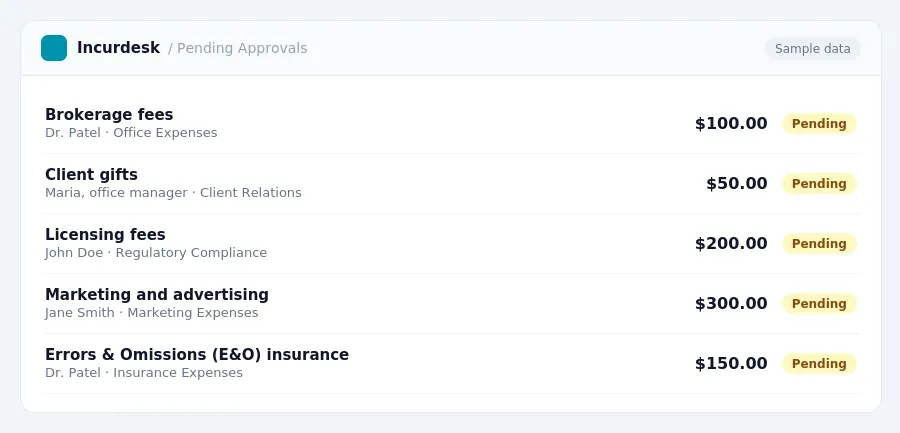
As a small real estate business owner or office manager, you're likely no stranger to tracking expenses and staying on top of tax deductions. But with so many deductible expenses to keep track of, from brokerage fees to client gifts, it can be overwhelming to know where to start. Common deductible expenses for real estate agents include:
- Brokerage fees
- MLS dues
- Licensing fees
- Errors & Omissions (E&O) insurance
- Marketing and advertising
- Professional services
Maximizing Deductions for Mileage and Transportation
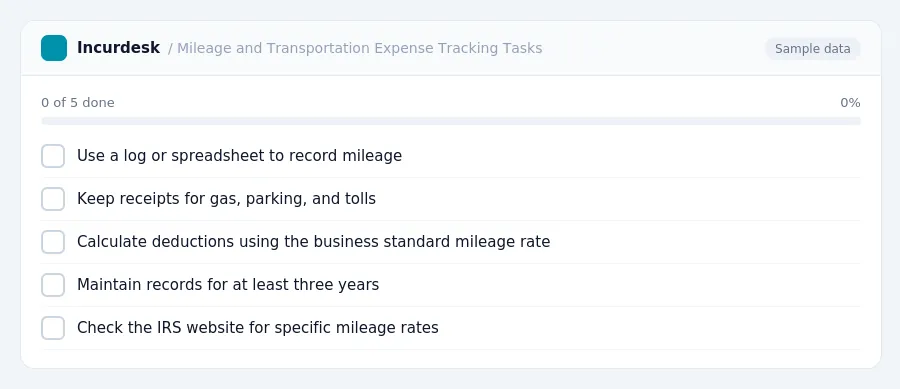
To accurately track mileage and transportation expenses, use a log or spreadsheet to record the date, miles driven, and business purpose of each trip. Keep receipts for gas, parking, and tolls, and use the business standard mileage rate to calculate deductions. For 2023, this rate was 65.5 cents per mile.
Remember to keep accurate records and maintain them for at least three years in case of an audit. The IRS allows you to claim up to 20% of your qualified business income (QBI) as a deduction, including mileage expenses.
You can use these rates to calculate your mileage deduction for those periods. However, the exact mileage rate for 2022 varies depending on the time period. You can check the IRS website for the specific rate you need.
Calculating the ROI on Expense Software for Small Real Estate Businesses
To determine whether expense software is worth the investment for your small real estate business, you need to calculate its return on investment (ROI). Start by identifying the time and resources your team spends on tracking and recording expenses. Consider the costs of errors, missed deductions, and the time spent on compliance. Next, estimate the potential tax benefits of accurately tracking expenses, such as mileage, home office costs, and professional fees. To calculate the ROI, consider the following steps:
- Estimate the annual savings from reduced errors and missed deductions.
- Calculate the time savings from automating expense tracking and reporting.
- Consider the costs of the software, including any implementation fees or subscription costs.
- Compare the potential tax benefits to the costs of the software.
By following these steps, you can get a clear picture of the ROI on expense software for your small real estate business. If the potential tax benefits and time savings outweigh the costs, then expense software is likely a worthwhile investment.
As you evaluate the ROI, remember to also consider the long-term benefits of using expense software, such as improved financial insights and better compliance with IRS regulations.
Stop losing 4+ hours a week
30-day free trial · No credit card · Setup in 15 minutes