
Job Costing Receipts: Tracking Expenses per Project
A practical, data-backed guide to controlling costs and automating expense workflows.
Accurately tracking and categorizing expenses associated with individual projects is crucial for small construction businesses. By implementing a robust construction expense management system, you can determine the true profitability of each job and improve future bidding accuracy. Fortunately, advanced solutions like construction expense management for under $10/user (2026) can help streamline this process, making it easier to manage your company's finances and make informed decisions.
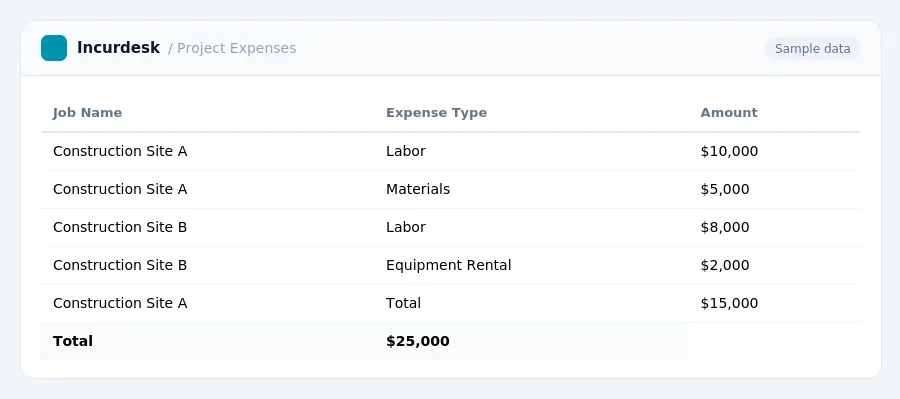
Calculate Labor Costs Accurately
- Calculate labor costs accurately by considering all factors, not just base wages. Labor costs include payroll taxes, workers' compensation, benefits, paid time off, and training/safety time. To accurately track labor costs, keep track of hours worked by each employee and calculate the total labor cost per project. Make sure to include the cost of equipment usage, as well as the cost of labor for subcontractors.
- For owned equipment, calculate an internal hourly or daily rate based on purchase price, lifespan, maintenance, and operating expenses. This rate should be applied to each project where the equipment is used. For rented equipment, track invoices against actual time on site to ensure accurate labor costs.
- To allocate overhead, divide total annual overhead by total annual direct costs (or direct labor hours) to get an overhead rate. This rate can then be applied to each project to ensure accurate labor costs. Keep in mind that fluctuations in material prices and labor availability can impact labor costs, and contractors should adapt their estimating and job costing practices yearly to account for these changes.
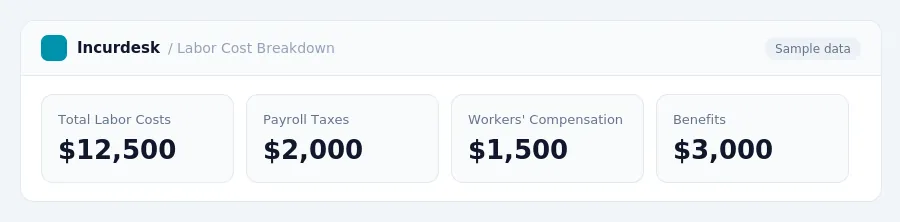
Track Committed Costs and Invoices
Keep a separate record of committed costs, change orders, and invoices for each project. This includes any contracts, permits, and other agreements.
For contracts that span more than one tax year, you may be able to use the percentage-of-completion method (PCM) for tax purposes.
When tracking committed costs, make sure to include the following:
- Contract amounts and payment terms
- Change orders and amendments
- Invoice payments and due dates
This will help you accurately track your costs and ensure compliance with tax laws and regulations.
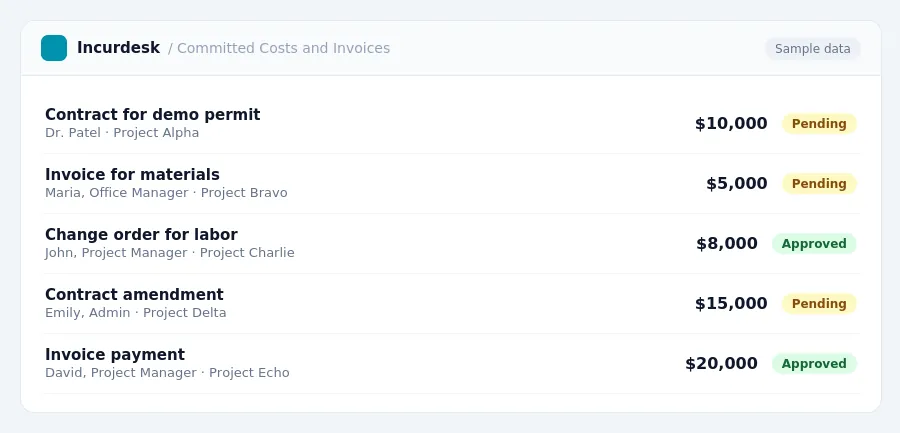
Assign Indirect Costs and Overhead
-
Assigning indirect costs and overhead to individual projects is essential for accurate job costing. Indirect costs include expenses not directly tied to a single project, such as:
- Superintendent time split across projects
- Safety compliance
- Quality control
- Shop fabrication time
- Travel between projects
- Temporary office space
These costs should be assigned to jobs like material purchases to ensure accurate profitability calculations.
-
This means that small contractors with gross receipts below this threshold may not be required to track certain costs.
-
When assigning indirect costs, consider the following:
-
Review and adjust your indirect cost allocation regularly to ensure accuracy and compliance with tax laws.
Create a Standardized Cost Code Structure
-
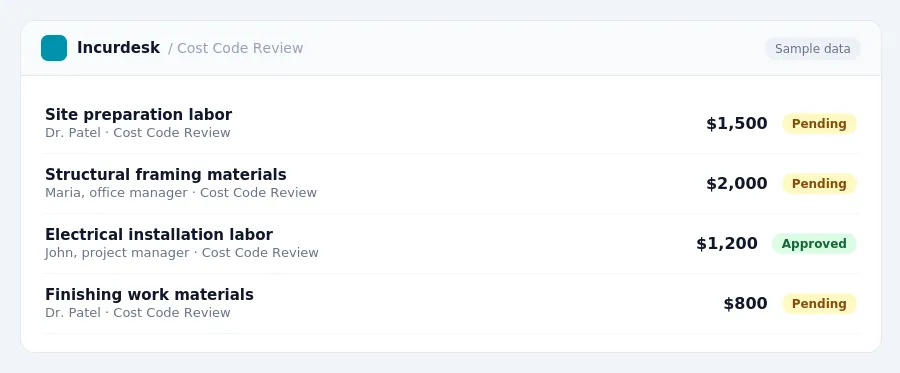
Develop a standardized cost code structure to track expenses on your construction projects. This will allow you to classify every cost by the type of work it relates to. To create a structure, start with 10 to 20 generic codes, such as:
- Site preparation
- Foundation work
- Structural framing
- Electrical and plumbing installation
- Finishing work
- Ensure your cost code structure is not too complex. Having too many codes can lead to field non-compliance and make it difficult to track expenses.
- This may impact your cost code structure and how you categorize expenses.
Review your cost code structure regularly to ensure it remains relevant and effective. As your business grows and changes, your cost code structure may need to be adjusted to reflect these changes.
Determine Profitability and Improve Estimating Accuracy
-
After accurately tracking all expenses, it's time to determine the profitability of each project.
For example, the gross receipts threshold for small contractor exceptions to the Paycheck Protection Method (PCM) is subject to change.
When determining profitability, be sure to consider all applicable tax laws and regulations, and consult with a tax professional if necessary.
-
Once you have a clear picture of your project profitability, use this information to improve your estimating accuracy for future projects.
Review your past projects and identify areas where you can optimize costs and increase profit margins.
Update your estimating process to reflect these changes and ensure that you're accurately pricing your projects to meet your business goals.
-
Regularly review and update your cost code structure to ensure it accurately reflects your business operations and tax laws.
This will help you stay compliant with tax regulations and ensure that you're accurately tracking and categorizing your expenses.
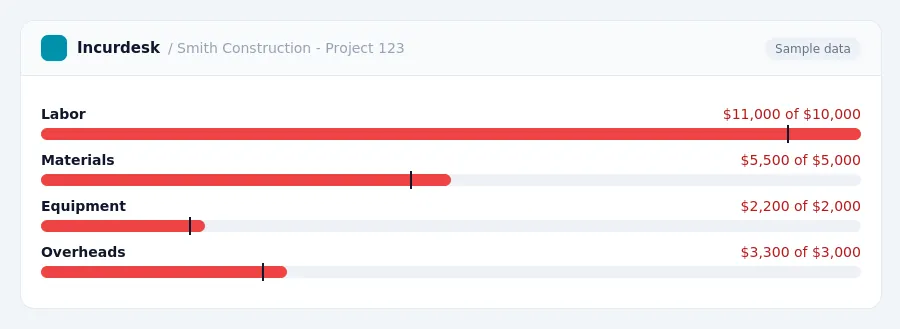
Keeping this simple: Incurdesk turns submitted expenses into clean expense reports. It is built for small construction teams. Try it free.
Stop losing 4+ hours a week
30-day free trial · No credit card · Setup in 15 minutes