
Keeping Controlled Substance Purchase Records at Vet Clinics
A practical, data-backed guide to controlling costs and automating expense workflows.
Veterinary practices must maintain accurate records of controlled substance purchases to comply with federal and state regulations. Keeping track of these purchases is essential for expense management for veterinary clinics, as it helps prevent theft, diversion, and overprescription. By following the necessary guidelines, clinics can avoid significant penalties and ensure a secure and compliant environment. For a complete overview, see our expense management guide.
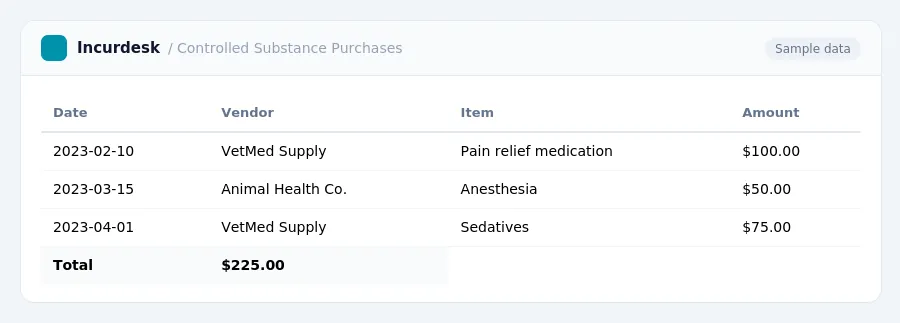
Record-Keeping Requirements for Controlled Substances
As a veterinary practice, it is essential to maintain accurate and detailed records of controlled substances. Federal law requires these records to be kept for at least two years, readily retrievable for the DEA. However, many states have stricter rules, mandating longer retention periods for controlled substance records, often three to five years.
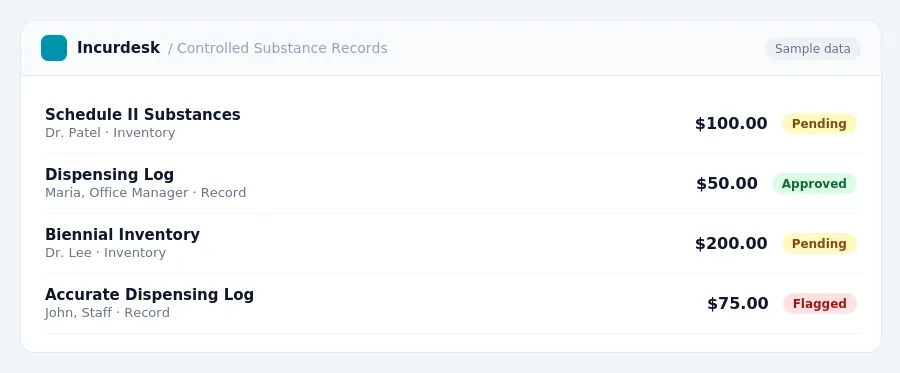
To ensure compliance, you must keep the following records:
- An initial inventory of controlled substances when first handling them.
- A biennial inventory of controlled substances at least every two years.
- Accurate dispensing logs and documentation.
It's crucial to note that Schedule II substances require an exact count during inventory. This means that you must carefully count and record the quantity of these substances to ensure accuracy.
Remember to store your records securely and in a readily accessible location, as the DEA may request them at any time. Keep your records up to date and organized to avoid any potential issues or penalties.
Inventory Management and Storage
Proper inventory management and storage are crucial for veterinary clinics handling controlled substances. To ensure compliance, clinics must maintain accurate records of their inventory, including quantities on hand and disposal of expired or damaged medications.
The DEA evaluates storage security based on factors such as building security, quantity on hand, access control, alarms, and local police protection. Clinics should ensure their storage area meets these standards to avoid potential penalties.
When ordering Schedule II controlled substances, clinics must use DEA Form 222 or the electronic Controlled Substance Ordering System (CSOS).
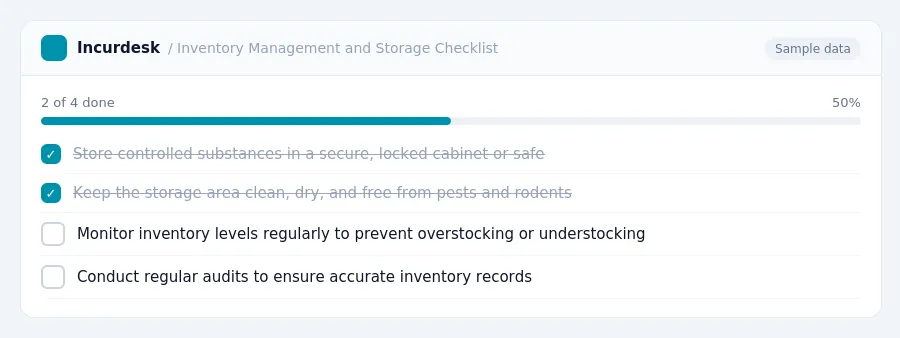
- Store controlled substances in a secure, locked cabinet or safe.
- Keep the storage area clean, dry, and free from pests and rodents.
- Monitor inventory levels regularly to prevent overstocking or understocking.
- Conduct regular audits to ensure accurate inventory records.
For specific guidance on storage security and inventory management, consult the DEA's official guidelines or contact your state's regulatory agency for more information.
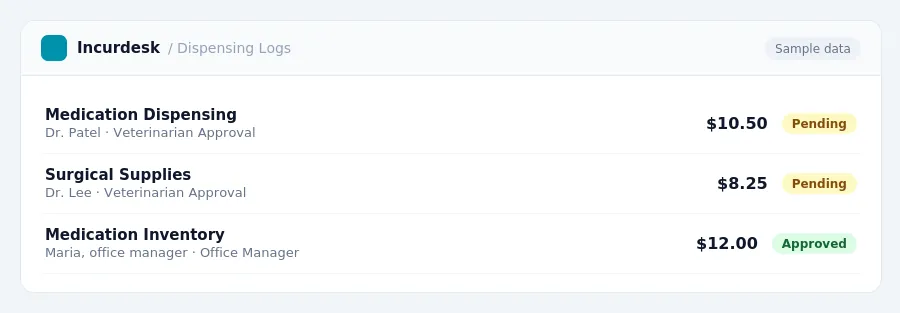
Accurate Dispensing Logs and Documentation
These logs must include:
- Date
- Patient name and species
- Client name
- Drug name, strength, and dosage form
- Amount dispensed or administered
- Balance remaining
- Initials of the dispensing veterinarian
It's essential to maintain these logs accurately, as documentation discrepancies can trigger an audit, even without any clinical errors. To avoid potential issues, ensure that all dispensing logs are completed thoroughly and consistently.
To minimize the risk of non-compliance, double-check dispensing logs regularly and address any discrepancies promptly.
Disposal and Destruction of Controlled Substances
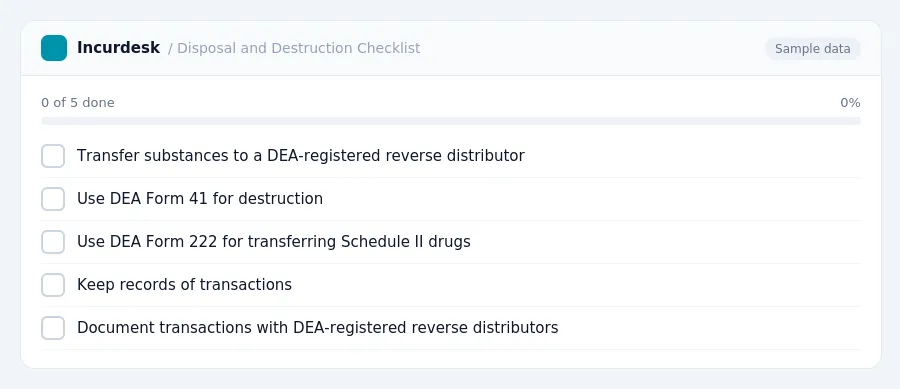
When it's time to get rid of expired or unwanted controlled substances, follow these steps:
- Transfer the substances to a DEA-registered reverse distributor for destruction.
Documentation is key. For destruction of controlled substances, use DEA Form 41.
For transferring Schedule II drugs, you'll need to use DEA Form 222.
Remember to keep records of these transactions, as they may be subject to inspection by regulatory agencies.
DEA-registered reverse distributors can be found through the DEA's registration check tool.
Consequences of Non-Compliance and Best Practices
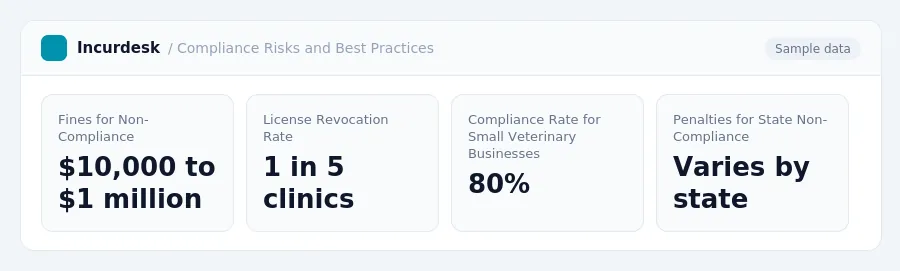
Non-compliance with federal and state regulations for controlled substances can result in severe penalties.
- DEA inspections may be conducted at any time, and failure to comply with regulations may result in fines, penalties, or even license revocation.
- State regulations may be stricter than federal guidelines, and non-compliance with state regulations can result in additional fines or penalties.
To avoid these consequences, it's essential to follow best practices:
- Store controlled substances (Schedules II-V) in a securely locked, substantially constructed cabinet or safe.
- Keep accurate records of all controlled substance transactions, including purchases, sales, and disposal.
- Conduct regular inventories to ensure that all controlled substances are accounted for.
- Dispose of expired or unused controlled substances according to state and federal regulations.
Regularly review and update your practice's policies and procedures to ensure compliance with federal and state regulations.
Keeping this simple: Incurdesk lets your team snap a photo of a receipt and fills in the details for you. It is built for small veterinary teams. Try it free.
Stop losing 4+ hours a week
30-day free trial · No credit card · Setup in 15 minutes