
Keeping Records of Conservation and Restoration Costs
A practical, data-backed guide to controlling costs and automating expense workflows.
By implementing a systematic approach to recording conservation and restoration costs, you can ensure compliance with tax and insurance regulations, as well as meet the standard of care for your collection. This includes investing in small museums or historical societies expense management software to streamline record-keeping and reduce administrative burdens.
Establishing a System for Tracking Conservation and Restoration Costs
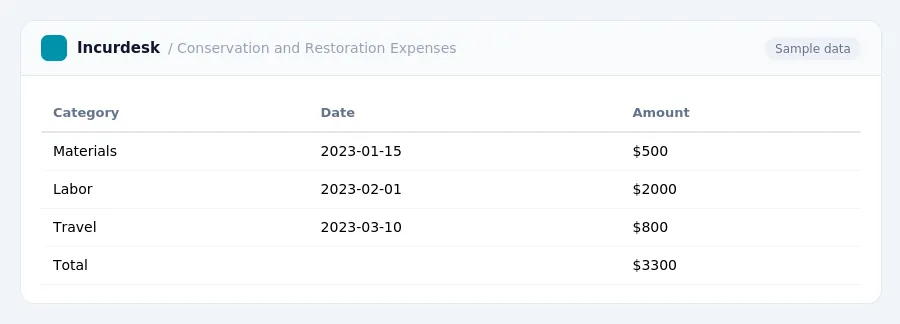
Small museums and historical societies need a reliable system to track the costs of conservation and restoration treatments, as well as preventive conservation measures. Since conservation treatment will rarely cost less than $500, and a minimum charge for a treatment is also $500, it's essential to have a clear and organized system in place.
To start, consider the following steps:
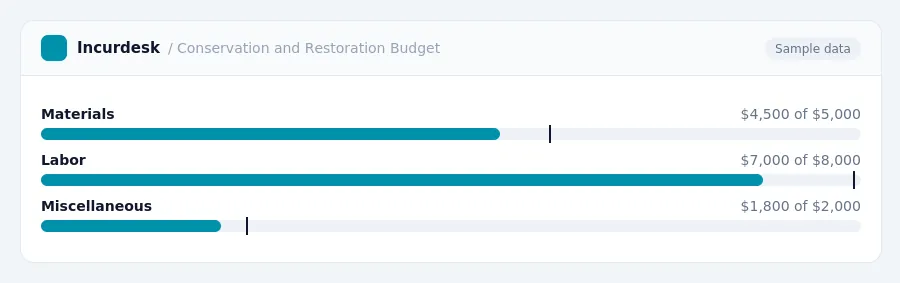
- Set up a spreadsheet or database to track all conservation and restoration expenses, including costs for materials, labor, and equipment.
- Establish a protocol for documenting each treatment, including the date, type of treatment, and cost.
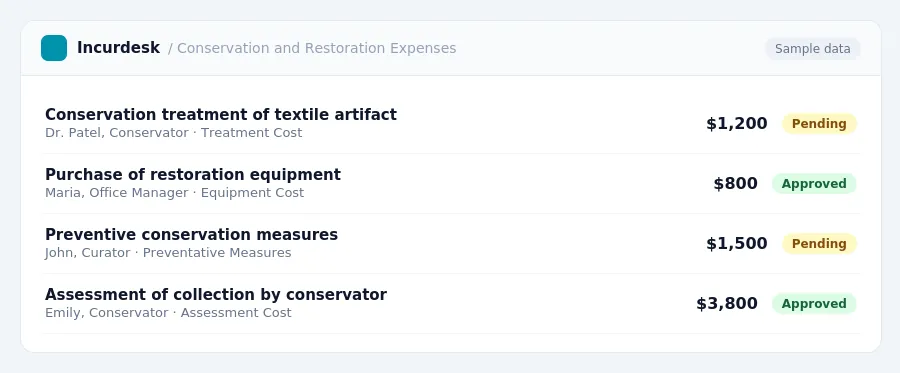
- Consider hiring a conservator or conservation assessment professional to conduct a thorough assessment of your collection, which can cost between $3,600 to $4,000 per assessor, based on your institution's annual operating budget.
- Review your museum store's practices to ensure they meet best-practice care and conservation standards, which only 15% of museum stores currently meet.
By establishing a system for tracking conservation and restoration costs, you can ensure that your collection is preserved for future generations and that your financial records are accurate and compliant with tax and insurance regulations.
Understanding the Financial Benefits of Conservation and Restoration
When it comes to conserving and restoring artifacts, it's essential to view these efforts as long-term investments rather than one-time expenses. By prioritizing conservation and restoration, you can ensure the longevity and value of your collection, which in turn, can have a significant impact on your organization's financial health.
For instance, properly cared for artifacts can appreciate in value over time, making them more valuable for sale, donation, or exhibition. Additionally, well-preserved artifacts can also attract more visitors and members, leading to increased revenue through ticket sales, donations, and membership fees.
To maximize the financial benefits of conservation and restoration, it's crucial to maintain a well-documented record of your expenses. This will not only help you track the return on investment but also provide a clear understanding of the costs associated with conserving and restoring your collection.
Consider the following:
- Regularly review your collection to identify items that require conservation or restoration, and prioritize these efforts based on their value and significance.
- Consider the long-term costs of not conserving and restoring your collection, such as the potential loss of value or even the loss of the artifact itself.
By taking a proactive and informed approach to conservation and restoration, you can ensure the financial health and sustainability of your organization, while also preserving the cultural and historical significance of your collection.
Recording and Documenting Conservation and Restoration Expenses
Recording and documenting conservation and restoration expenses is a crucial step in maintaining accurate and legally sound records for your collection preservation and financial integrity. To ensure compliance with tax and insurance regulations, it's essential to maintain detailed records of all expenses related to conservation and restoration work.
Here are some practical steps to follow:
- Create a separate category in your accounting system for conservation and restoration expenses.
- Keep detailed records of all invoices, receipts, and payment records related to conservation and restoration work.
- Document the specific services performed, materials used, and dates of work completed.
- Store all records in a secure and accessible location, such as a digital file or a designated storage area.
- Regularly review and update your records to ensure accuracy and compliance with regulations.
When documenting expenses, be sure to include:
- The date and description of the work performed.
- The materials and supplies used.
- The total cost of the work, including any applicable taxes or fees.
- The name and contact information of the conservator or restorer.
Remember to review your records regularly to ensure that they are accurate and up-to-date. This will help you to identify any potential issues and ensure that your collection is properly preserved and protected.
Maintaining Legally Sound Records for Collection Preservation and Financial Integrity
Keeping accurate and detailed records of conservation and restoration costs is crucial for the financial integrity and long-term preservation of your collection. It's essential to maintain records that are easily accessible and understandable to both internal and external stakeholders, including auditors, insurance companies, and donors.
To ensure compliance with tax laws and insurance requirements, it's vital to maintain records of all conservation and restoration expenses, including receipts, invoices, and contracts. Consider implementing a centralized system for storing these documents, both physically and digitally.
When documenting expenses, include the following information:
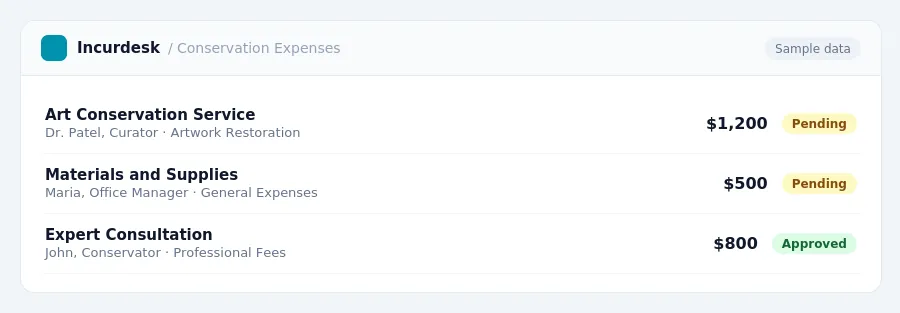
- Date and description of work performed
- Name and contact information of conservator or restorer
- Cost of materials and labor
- Before and after documentation of the object
For insurance purposes, consider taking photographs and creating detailed records of the object's condition before and after conservation and restoration work.
By maintaining accurate and detailed records, you can ensure the financial integrity of your organization and the long-term preservation of your collection.
Strategies for Minimizing Costs and Maximizing the Value of Conservation and Restoration
When it comes to conserving and restoring your collection, it's essential to minimize costs while maximizing the value of the work. Here are some practical strategies to help you achieve this goal:
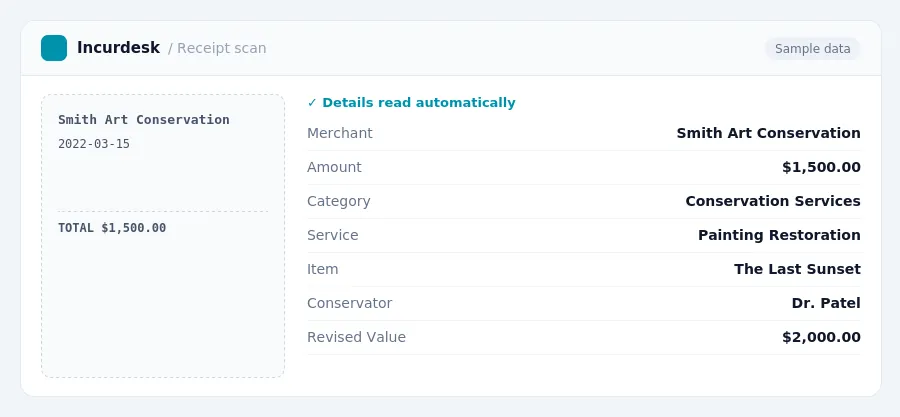
To determine the Fair Market Value (FMV) of the underlying property before and after the conservation contribution, you'll need to document the condition and value of the item. For example, if you're conserving a painting, take high-quality photos of the painting before and after the conservation process. You should also keep records of any appraisals or valuations conducted by a qualified professional.
When selecting a conservator or restorer, be sure to research their qualifications and reputation. Check for any certifications, such as those offered by the American Institute for Conservation of Historic and Artistic Works (AIC). It's also essential to obtain written estimates and contracts that clearly outline the scope of work, materials, and timeline.
Consider partnering with other organizations or museums to share the costs of conservation and restoration. This can help you access specialized expertise and resources while minimizing expenses. Additionally, you may be eligible for grants or funding opportunities that can help offset the costs of conservation and restoration.
Keeping this simple: Incurdesk turns submitted expenses into clean expense reports. It is built for small small museum historical society teams. Try it free.
Stop losing 4+ hours a week
30-day free trial · No credit card · Setup in 15 minutes