
Managing Expenses Across a Multi-Location Veterinary Group
A practical, data-backed guide to controlling costs and automating expense workflows.
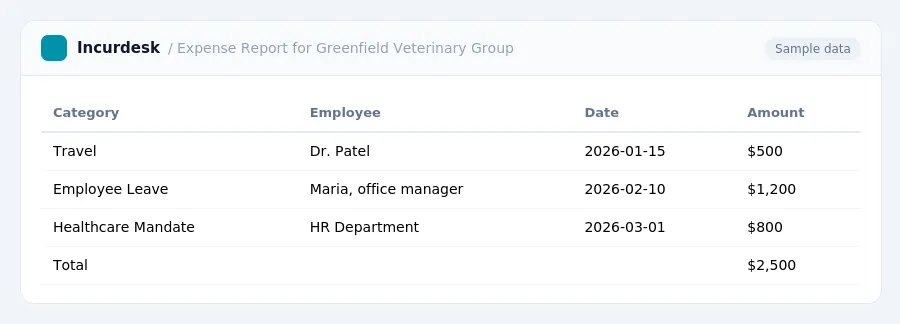
Managing expenses across a multi-location veterinary group requires a thorough understanding of federal and state regulations, including those related to employee leave, travel reimbursements, and healthcare mandates. As of 2026, the Consolidated Appropriations Act of 2021 mandates that employers with 50 or more employees provide up to 12 weeks of unpaid family and medical leave per year, with certain exceptions for small businesses. Effective expense management for veterinary clinics also involves tracking and comparing financial benchmarks, such as the 5.5% year-over-year inflation in veterinary services as of April 2026, to ensure accurate budgeting and allocation of resources. For a complete overview, see our expense management guide.
Compliance with Federal and State Regulations
As a small veterinary business operating multiple locations, it's essential to understand current federal and state regulations regarding employee leave, travel reimbursements, and healthcare mandates. The pet industry is projected to reach $165 billion in U.S. sales in 2026, with $42.4 billion in veterinary care and product sales.
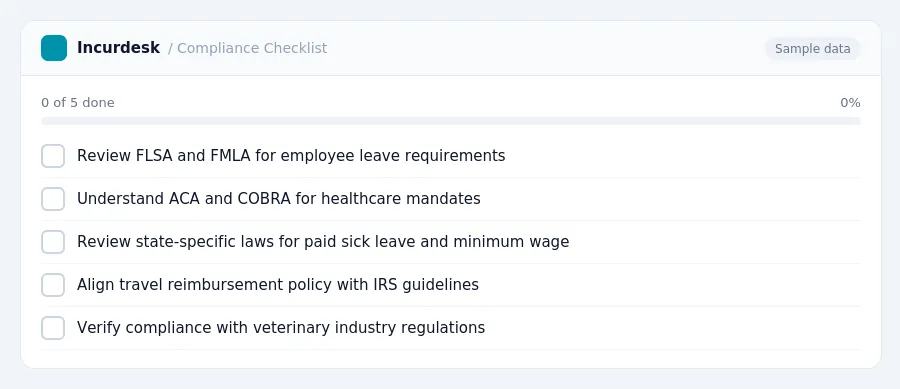
To ensure compliance, review the following regulations:
- Familiarize yourself with the Fair Labor Standards Act (FLSA) and the Family and Medical Leave Act (FMLA) for employee leave requirements.
- Understand the Affordable Care Act (ACA) and the Consolidated Omnibus Budget Reconciliation Act (COBRA) for healthcare mandates.
- Review state-specific laws regarding paid sick leave, minimum wage, and overtime pay.
For travel reimbursement, consider the following:
- Ensure that your reimbursement policy aligns with the Internal Revenue Service (IRS) guidelines for business expense deductions.
- Keep accurate records of business mileage, including dates, destinations, and business purposes.
Keep in mind that veterinary services inflation was running at 5.5% year over year in April 2026, which may impact your financial planning and budgeting.
Regularly review and update your policies to ensure compliance with changing regulations and to avoid potential penalties.
Travel Reimbursement Guidelines for Veterinary Groups
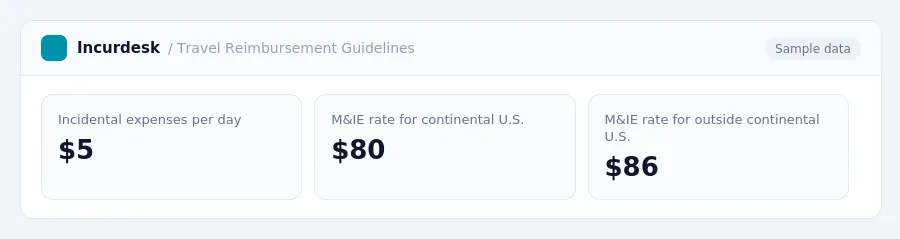
When it comes to reimbursing travel expenses for veterinary group employees, it's essential to follow the guidelines set by the IRS. However, if the employee only needs to claim incidental expenses, the rate is $5 per day, regardless of the travel locality.
The special meal and incidental expenses (M&IE) rates for the transportation industry are $80 for travel within the continental U.S. and $86 for travel outside the continental U.S. These rates can be used to reimburse employees for their meal and incidental expenses while traveling for business.
It's also essential to consider the impact of inflation on your travel expenses. This means that your travel expenses may be increasing at a higher rate than usual, and you should factor this into your reimbursement calculations.
Remember to keep accurate records of your employees' travel expenses and to reimburse them promptly to avoid any confusion or disputes.
Understanding Industry-Specific Financial Benchmarks
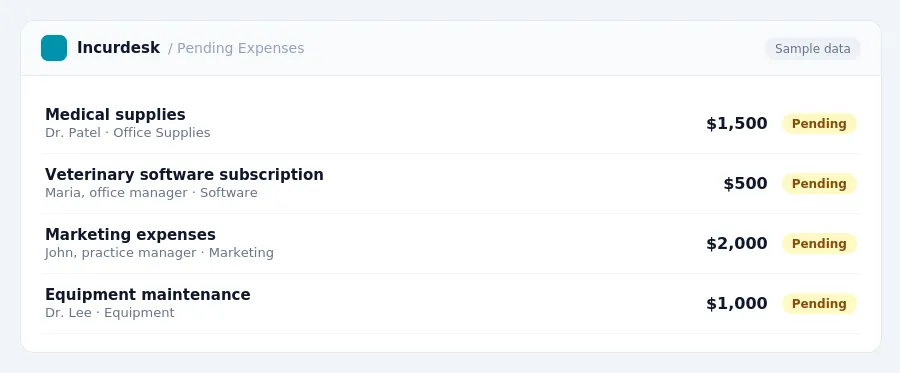
Understanding Industry-Specific Financial Benchmarks is crucial for effective expense management in a multi-location veterinary group. Here are some key benchmarks to consider:
- Revenue per Veterinarian: This varies depending on the location, services offered, and type of practice. Check the American Animal Hospital Association (AAHA) or the American Veterinary Medical Association (AVMA) for industry benchmarks.
- Staffing Ratios: Aim for a 1:1.5 to 1:2 ratio of veterinary technicians to veterinarians, and a 1:5 to 1:7 ratio of receptionists to veterinarians. These ratios may vary depending on the type of practice and services offered.
- Expense Ratios:
When reviewing your financials, consider the following:
- Review your revenue and expense statements regularly to ensure you're staying within industry benchmarks.
- Adjust your staffing ratios and expense allocations as needed to optimize your practice's financial performance.
- Consider consulting with a financial advisor or accountant who has experience working with veterinary practices.
The Texas Board of Veterinary Medical Examiners (TBVME) must review all its rules by December 31, 2026, under the supervision of the Texas Department of Licensing and Regulation. Be sure to stay up-to-date on any changes to industry regulations and benchmarks that may impact your practice.
Managing Employee Leave and Healthcare Mandates
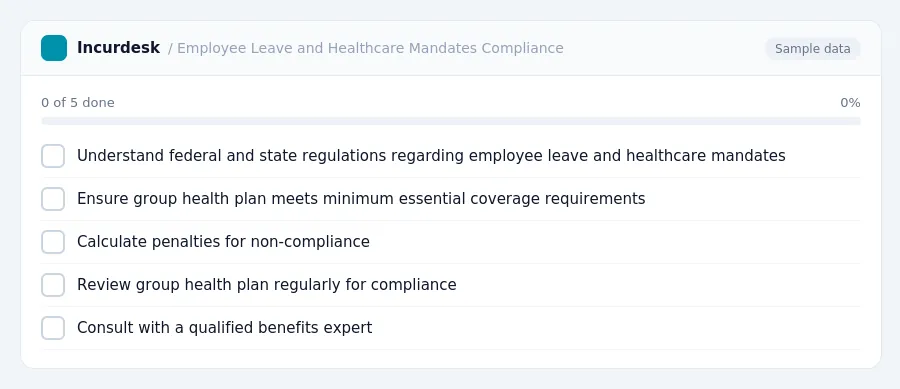
As a multi-location veterinary group, it's essential to understand the federal and state regulations regarding employee leave and healthcare mandates. Failure to comply can result in significant penalties.
Eligible employees are entitled to up to 12 workweeks of unpaid, job-protected leave in a 12-month period. This leave is governed by the Family and Medical Leave Act (FMLA).
To avoid penalties, ensure your group health plan meets the minimum essential coverage requirements and is affordable for your employees. Calculate your penalties using the applicable rates and adjust your plan accordingly.
Monitor your expenses and adjust your plan to stay within budget.
Review your group health plan regularly to ensure compliance with federal and state regulations. Consult with a qualified benefits expert if you have any questions or concerns.
Allocating Expenses Across Multi-Location Veterinary Groups
When allocating expenses across multi-location veterinary groups, it's essential to maintain transparency and fairness. Here are some steps to follow:
- Set clear guidelines for expense reporting and reimbursement. Establish a standard process for submitting and approving expenses, and ensure that all locations are following the same procedures.
- Track expenses regularly to ensure accurate financial reporting. This will also help you identify areas where costs can be reduced or optimized.
- Consider location-specific expenses when allocating funds. For example, rent, utilities, and supplies may vary significantly between locations.
- Take inflation into account when setting budgets.
- Monitor and adjust your expense allocation regularly to ensure that it's aligned with your business goals and financial performance.
To make expense allocation more efficient, consider implementing a centralized system for tracking and managing expenses. This will help you to:
- Consolidate financial data from all locations
- Identify trends and areas for cost reduction
- Make informed decisions about budgeting and resource allocation
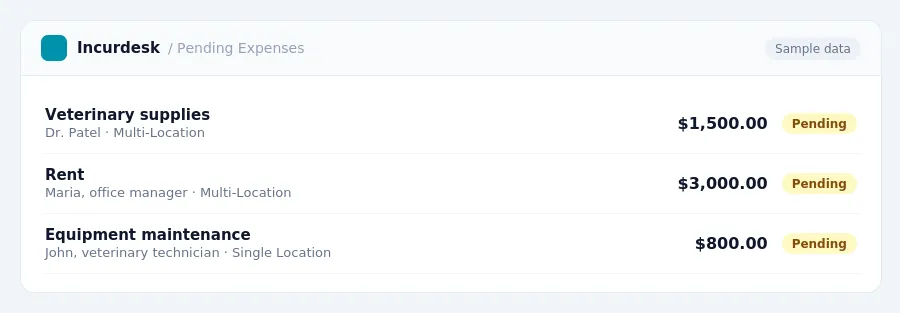
Keeping this simple: Incurdesk turns submitted expenses into clean expense reports. It is built for small veterinary teams. Try it free.
Stop losing 4+ hours a week
30-day free trial · No credit card · Setup in 15 minutes