
Mileage Reimbursement for House Call and Mobile Vets
A practical, data-backed guide to controlling costs and automating expense workflows.
Mileage reimbursement for mobile and house call veterinary services is a critical aspect of expense management for veterinary clinics. This rate applies to the reimbursement of expenses for mobile veterinarians and house call services, and it is used to calculate the amount of mileage reimbursement due to employees.
Understanding IRS Standard Mileage Rates for Mobile and House Call Veterinarians
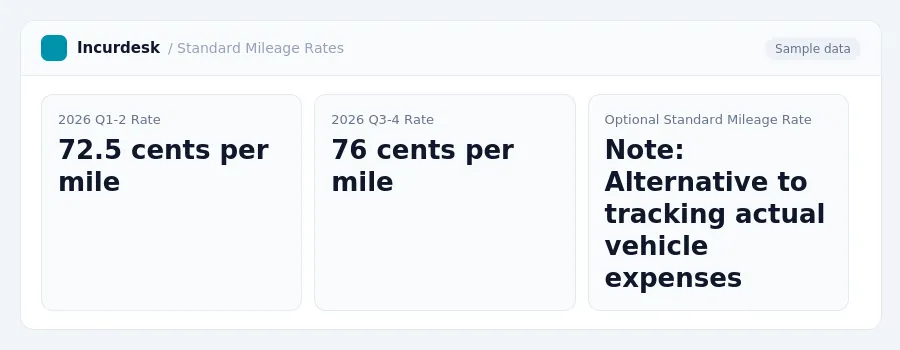
The IRS sets standard mileage rates for business use, which apply to mobile and house call veterinarians. For the first six months of 2026, the rate is 72.5 cents per mile, while from July 1 to December 31, 2026, it increases to 76 cents per mile.
The Optional Standard Mileage Rate is an alternative to tracking actual vehicle expenses. This rate allows mobile veterinarians to simplify their record-keeping and claim a fixed rate for business miles driven.
It's worth noting that the IRS sets the standard mileage rate annually, and the rate for 2027 may be different. To confirm the rate for next year, check the IRS website for the latest information.
Tracking and Reimbursement Methods for Mobile Veterinarians
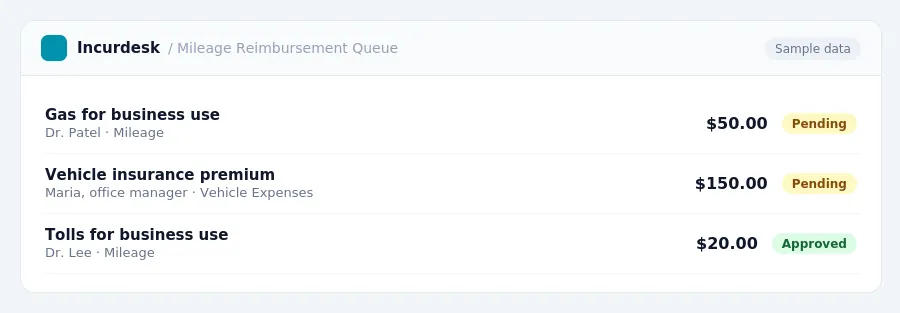
Mobile veterinarians have two main options for tracking and reimbursing mileage expenses: the Actual Expense Method and the Standard Mileage Rate Method.
The Actual Expense Method requires you to track all vehicle expenses, including gas, insurance, maintenance, and other costs. To apply this method, you must calculate the business-use percentage of your vehicle's operating costs.
Employers can choose to reimburse at the IRS standard mileage rate or set their own rate, which can be higher or lower. You should check the IRS website for the most up-to-date information.
When using the Actual Expense Method, be sure to keep accurate records of all vehicle expenses, including receipts and invoices.
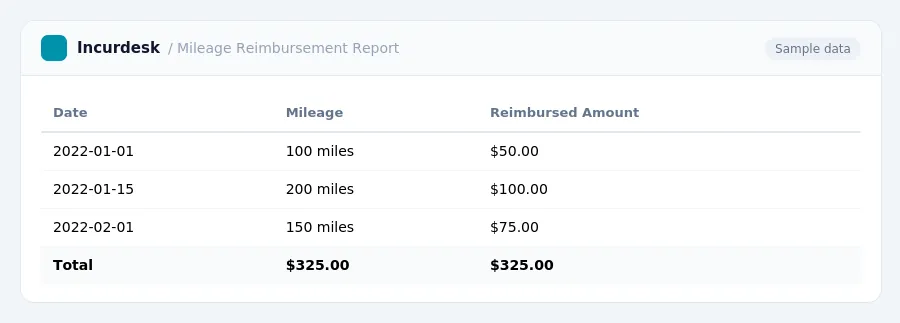
For reimbursement purposes, employers can use the following formula to calculate mileage reimbursement:
Keep accurate records of business miles driven and mileage reimbursement to ensure compliance with IRS regulations.
Compliance and Record-Keeping Requirements for Mobile Veterinary Businesses
As a mobile veterinary business, it's essential to maintain accurate records and comply with IRS regulations to ensure reimbursement for mileage expenses. The IRS standard mileage rate for business use of a vehicle is typically announced in December for the following year and can change annually.
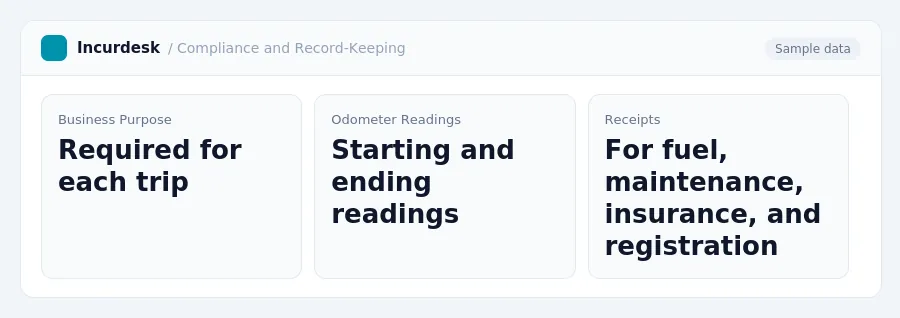
To ensure compliance, keep detailed records of business mileage, including dates, starting and ending odometer readings, and the business purpose of each trip. You can use a logbook or a spreadsheet to track this information.
This includes expenses such as fuel, maintenance, insurance, and registration.
For tax purposes, you'll need to keep the following records:
- Date and mileage for each business trip
- Starting and ending odometer readings
- Business purpose of each trip
- Receipts for fuel, maintenance, insurance, and registration
It's recommended to keep these records for at least three years in case of an audit.
State-Specific Mileage Reimbursement Duties and Considerations
The mileage reimbursement rate for mobile and house call veterinarians is determined by the date the mileage was driven, not when the reimbursement is processed.
- Some states have broader mileage reimbursement duties than federal law.
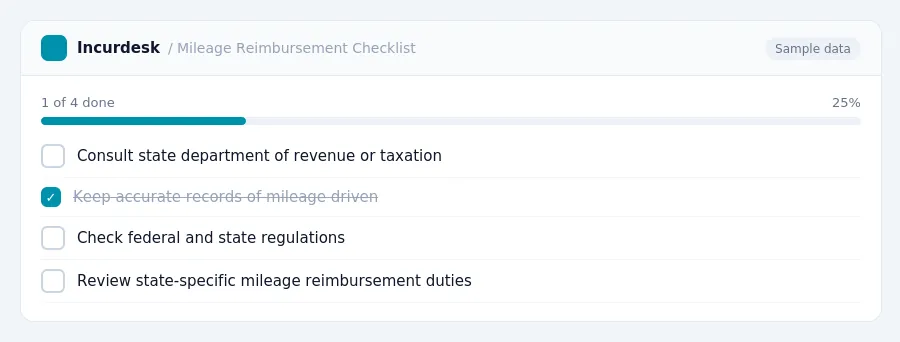
- Consult your state's department of revenue or taxation for specific mileage reimbursement requirements.
For example, California, Illinois, and Montana have more stringent mileage reimbursement duties.
It's essential to comply with both federal and state regulations to avoid any potential penalties or fines.
Keep accurate records of mileage driven, including dates, routes, and destinations.
Ensure you're meeting all state-specific mileage reimbursement duties and considerations to maintain compliance and accuracy in your financial record-keeping.
Setting and Managing a Mileage Reimbursement Policy for Your Veterinary Business
When setting and managing a mileage reimbursement policy for your veterinary business, it's essential to establish clear guidelines and procedures to ensure compliance and accuracy. Here are some key steps to consider:
- Establish a contemporaneous mileage log to document the date, destination, business purpose, and miles driven for each trip.
- Define the reimbursement process, including who is eligible, how often reimbursement will be made, and what documentation is required.
- Review and update the policy regularly to ensure compliance with changing IRS rules and regulations.
When managing the policy, consider the following:
- Provide regular training and education to employees on the policy and procedures.
- Monitor and review mileage logs and reimbursement requests to ensure accuracy and compliance.
- Keep detailed records of all mileage reimbursement, including logs, receipts, and payment records.
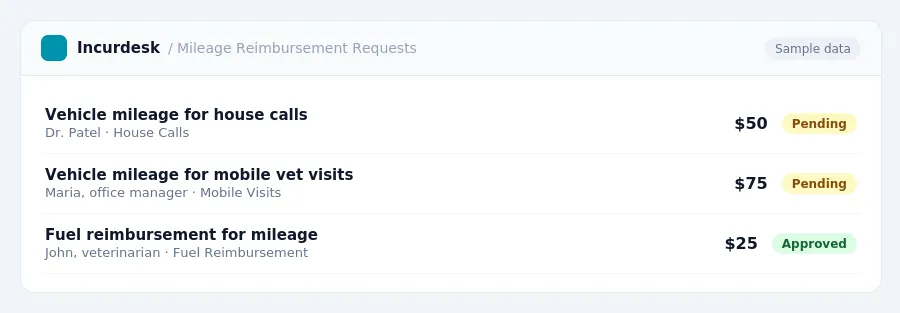
Keeping this simple: Incurdesk keeps receipts and approvals together, so you know exactly what to reimburse. It is built for small veterinary teams. Try it free.
Stop losing 4+ hours a week
30-day free trial · No credit card · Setup in 15 minutes