
Monthly Expense Review for Orthodontic Office Managers
A practical, data-backed guide to controlling costs and automating expense workflows.
As an orthodontic office manager, understanding your monthly expenses is crucial for effective budgeting and ensuring the practice's profitability. In the US, 2026 rates and rules dictate that orthodontic practices should expect to allocate 50-55% of their gross collections towards overhead costs. To streamline expense management, consider utilizing orthodontic practices expense management software to track and analyze your practice's financials. For a complete overview, see our expense management guide.
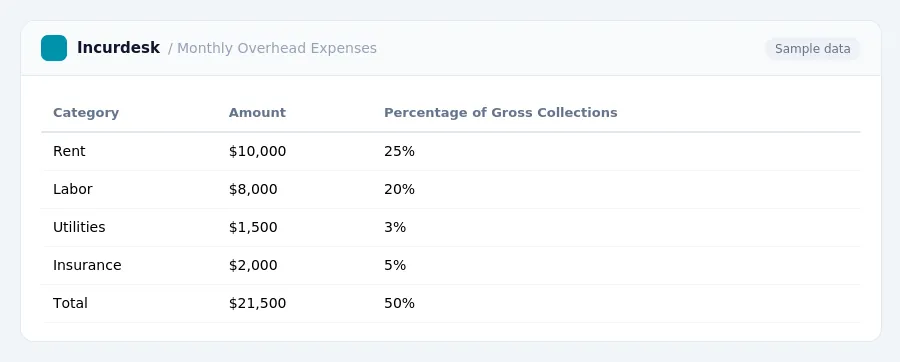
Monthly Labor Expenses for Orthodontic Practices
- Orthodontic Assistant Salaries: The average annual salary for an Orthodontic Assistant in the US is approximately $57,759, which breaks down to about $27.77 per hour.
- Hourly Labor Costs: To calculate hourly labor costs, multiply the assistant's hourly rate by the number of hours worked.
- Monthly Labor Costs: Multiply the weekly labor cost by 4 to get the monthly labor cost.
- Overhead Allocation: Orthodontic practices generally have an overhead percentage of 50-55% of gross collections. Allocate a portion of the monthly labor costs to overhead based on this percentage.
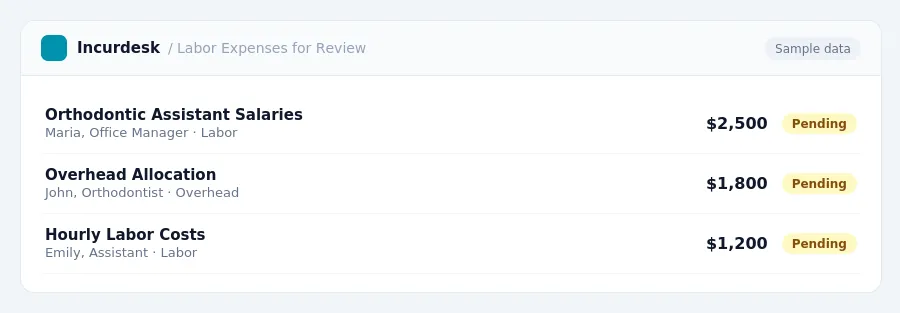
Office Overhead and Rent
- Staff Salaries and Benefits: Dental Office Managers can earn up to $100,000 per year. Other staff members, such as assistants, hygienists, and receptionists, also contribute to labor costs.
- Office Space Rent:
- Utilities and Maintenance: These costs vary depending on the location and size of the office, but are typically a small percentage of the overall rent.
- Equipment and Supplies: Regular expenses include dental supplies, office equipment, and technology upgrades.
- Insurance and Compliance:
As a general rule, orthodontic practices aim to keep overhead costs at 50-55% of gross collections. To achieve this, it's essential to regularly review and adjust expenses to ensure the practice remains profitable.
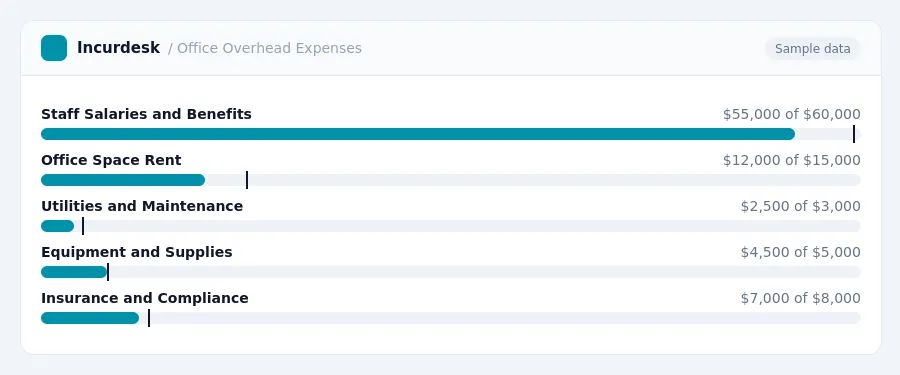
Business Expenses and Mileage
- Review your business expenses regularly to ensure they align with your practice's financial goals.
- Business mileage is a significant expense for orthodontic practices, especially for those with multiple locations or traveling staff.
- Keep accurate records of business miles driven, including the date, mileage, and business purpose.
- Use a log or spreadsheet to track business miles and calculate the total mileage-driven expenses.
- Consider the following business expense categories:
- Office supplies and equipment
- Marketing and advertising expenses
- Professional fees and memberships
- Travel and training expenses
- Ensure that your business expenses do not exceed the recommended overhead percentage of 50-55% of gross collections.
- Regularly review your business expenses to identify areas for cost reduction and optimize your practice's financial performance.

Orthodontic Treatment and Collections
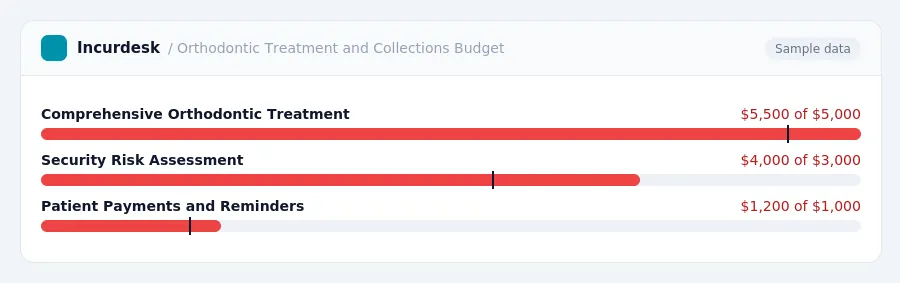
- Average cost for comprehensive orthodontic treatment in the US in 2026 ranges from $5,000 to $6,500, with some cases reaching $10,000 or more.
- When tracking collections, make sure to account for any outstanding balances or payments that are pending.
- Consider the cost of a Security Risk Assessment (SRA), which can range from $2,000 to $10,000 for a third-party review.
- To ensure accurate tracking, set up a system to monitor and update treatment plans, including any changes or adjustments.
When reviewing collections, consider the following:
- Verify that all payments are accurately recorded and matched to the corresponding patient accounts.
- Review any outstanding balances or pending payments to ensure they are being addressed in a timely manner.
- Consider implementing a system to track and manage patient payments, including automatic payment reminders and notifications.
Keeping this simple: Incurdesk turns submitted expenses into clean expense reports. It is built for small orthodontic practice teams. Try it free.
Stop losing 4+ hours a week
30-day free trial · No credit card · Setup in 15 minutes