
Monthly Financial Reporting Checklist for Museums
A practical, data-backed guide to controlling costs and automating expense workflows.
As the owner or office manager of a small museum or historical society, managing your finances effectively is crucial to ensuring the long-term success of your organization. To stay on top of your financial reporting, consider investing in small museums or historical societies expense management software to streamline your processes. By following a monthly financial reporting checklist, you can ensure compliance with reporting requirements and make informed decisions about your organization's financial health. For a complete overview, see our expense management guide.
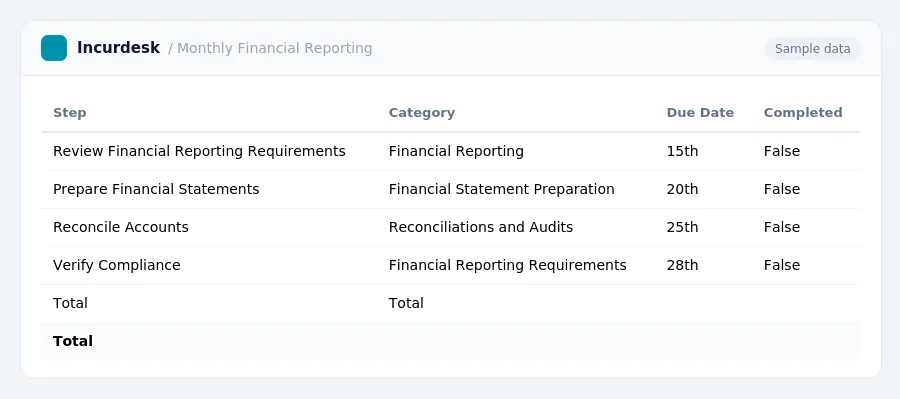
Financial Reporting Requirements
As a small museum historical society, it's essential to stay on top of financial reporting requirements to maintain compliance and avoid potential issues. Here are some key tasks to perform on a monthly basis:
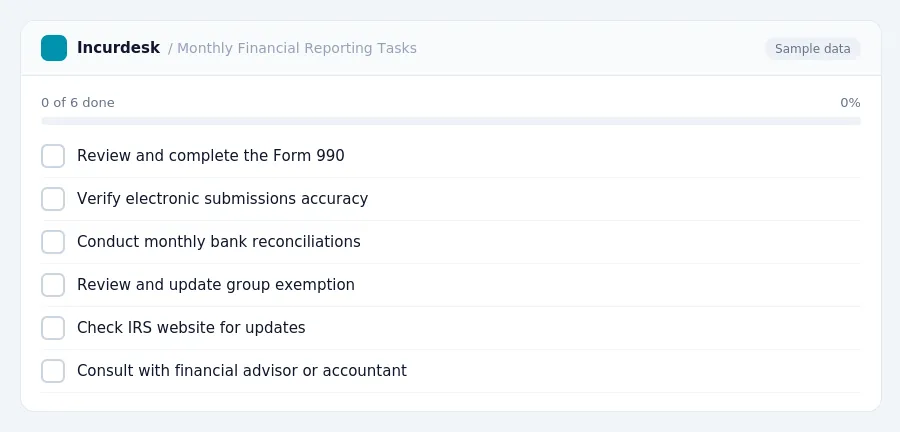
- Review and complete the Form 990
- Verify that all electronic submissions are accurate and up-to-date, as per Revenue Procedure 2026-8, effective January 20, 2026.
- Conduct monthly bank reconciliations to ensure financial records match external sources and detect any discrepancies or potential fraud.
- Review and update the group exemption (if applicable) to comply with new requirements by January 22, 2027.
- Check with the IRS website for any updates on filing requirements and deadlines.
- Consult with a financial advisor or accountant to ensure compliance with state regulations and reporting requirements.
Accrual Accounting and Record Keeping
- Museums must use accrual accounting, which recognizes revenue when earned and expenses when incurred, regardless of when cash changes hands.
- Accrual accounting is the only GAAP-compliant approach for an accurate financial picture.
- Accounting for Collections
- Museums may elect not to capitalize collections on their balance sheets if they meet the following conditions:
- They are held for public exhibition.
- They are protected and preserved.
- Proceeds from deaccessioned items are used for new acquisitions or direct care of existing collections.
- Record Keeping
- Keep accurate and detailed records of all financial transactions, including:
- Donations and grants.
- Admissions and sales revenue.
- Expenses, including salaries, supplies, and maintenance.
- Regularly review and update financial records to ensure accuracy and compliance with GAAP.
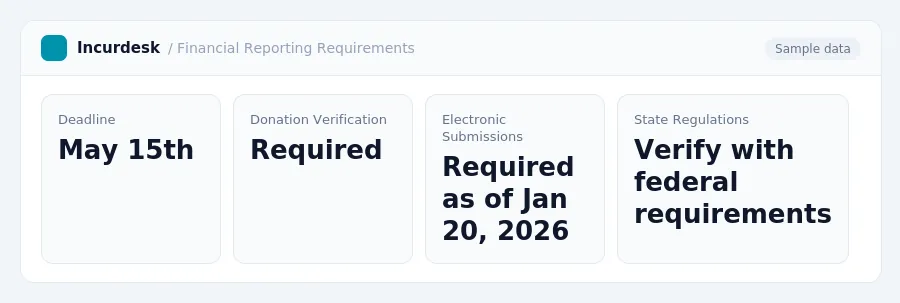
- The deadline for calendar-year organizations is typically May 15th.
- This form is used to verify the value of donated items.
- As of January 20, 2026, electronic submissions are required for new applications and annual updates.
- Verify that your state's regulations align with federal requirements. Some states may have additional reporting or filing requirements, so be sure to check your state's website for specific information.
- Keep accurate records of all financial transactions, including donations, grants, and fundraising events.
Financial Statement Preparation and Analysis
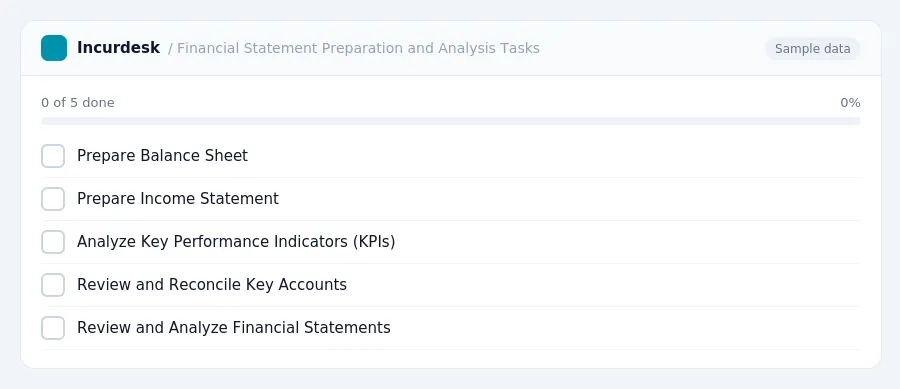
- Prepare a Balance Sheet:
- Include all assets, liabilities, and equity as of the end of the month.
- Ensure all accounts are properly classified and categorized.
- Prepare an Income Statement:
- Include all revenues and expenses for the month.
- Ensure all transactions are properly recorded and accounted for.
- Analyze Key Performance Indicators (KPIs):
- Track and analyze metrics such as cash flow, accounts receivable, and accounts payable.
- Identify trends and areas for improvement.
- Review and Reconcile Key Accounts:
- Reconcile accounts receivable and accounts payable monthly.
- Review and Analyze Financial Statements:
- Review financial statements for accuracy and completeness.
- Identify and address any discrepancies or errors.
Reconciliations and Audits
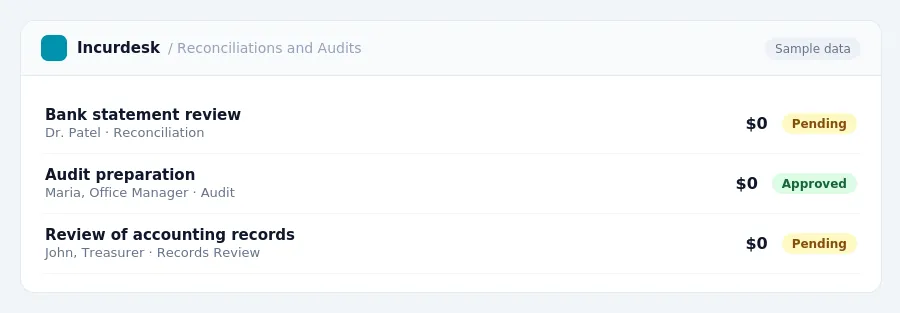
- Reconcile bank statements: Regularly reconcile your museum's bank statements to ensure accuracy and detect any discrepancies. This involves comparing the bank statement with your own financial records to identify any differences.
- Review and adjust accounting records: Review your accounting records to ensure they accurately reflect your museum's financial activities. Make any necessary adjustments to ensure compliance with financial reporting requirements.
- Prepare for audits: If your museum is subject to an audit, ensure you have all necessary documents and records readily available. This may include financial statements, receipts, invoices, and other supporting documentation.
- Respond to audit findings: If your museum is audited, carefully review the auditor's findings and respond promptly to any issues or concerns raised.
- Implement corrective actions: If any issues or discrepancies are identified during the audit process, implement corrective actions to address them and prevent future occurrences.
It's essential to maintain accurate and detailed financial records to ensure a smooth audit process.
Keeping this simple: Incurdesk turns submitted expenses into clean expense reports. It is built for small small museum historical society teams. Try it free.
Stop losing 4+ hours a week
30-day free trial · No credit card · Setup in 15 minutes