
Nursing Unit Supply Spending: What to Track Monthly
A practical, data-backed guide to controlling costs and automating expense workflows.
Small hospital businesses need to understand and control their nursing unit supply spending to maintain profitability and ensure quality patient care. Effective expense management for hospitals involves tracking expenditures, identifying cost-saving opportunities, and complying with relevant regulations. To get started, you should track your monthly nursing unit supply spending to prevent waste, manage inventory, and optimize resource allocation, which is essential given the projected continued increases in hospital supply spending of 9.9% in 2025 and beyond. For a complete overview, see our expense management guide.
Tracking Monthly Expenditures
Nursing unit supply spending can be a significant expense for small hospital businesses. To maintain profitability and ensure quality patient care, it's essential to track monthly expenditures. Here are the key items to track:
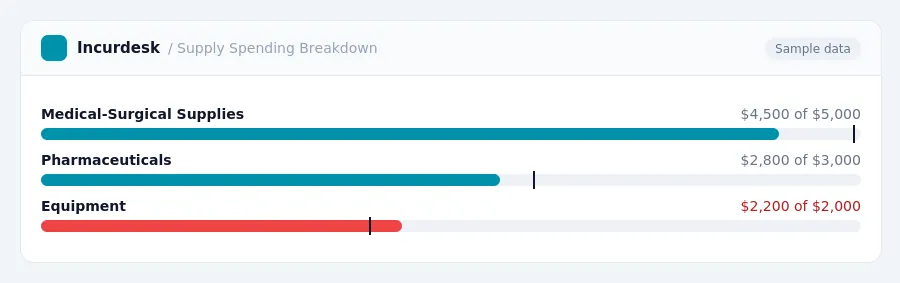
- Supply category:** Track spending by supply category, such as medical-surgical supplies, pharmaceuticals, and equipment.
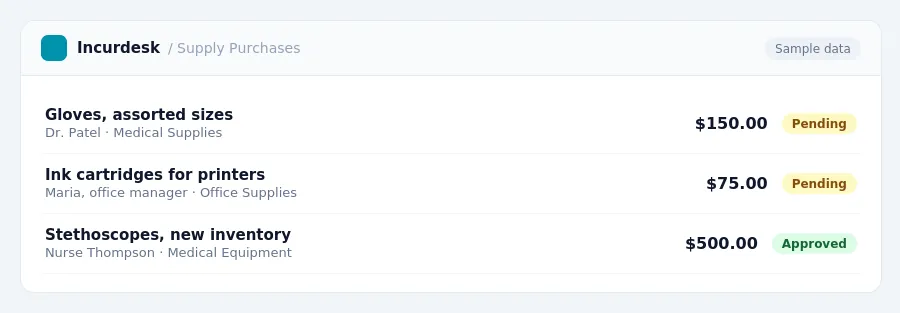
- Vendor invoices:** Verify that all vendor invoices are accurate and complete before processing payments.
- Payment terms:** Ensure that payment terms are clearly defined and understood by all parties.
- Discounts and rebates:** Identify opportunities to take advantage of discounts and rebates offered by suppliers.
- Usage and inventory levels:** Monitor usage and inventory levels to prevent overstocking and minimize waste.
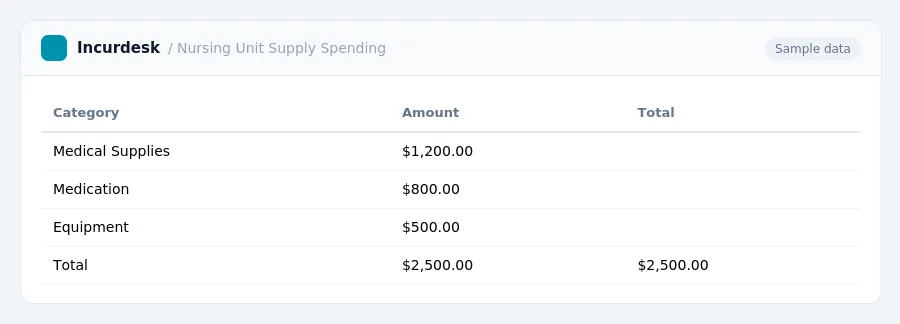
Consider using a table to track and compare monthly expenditures across different supply categories. For example:
By tracking monthly expenditures, you can identify trends and patterns, make informed purchasing decisions, and optimize your nursing unit supply spending.
Identifying Cost-Saving Opportunities
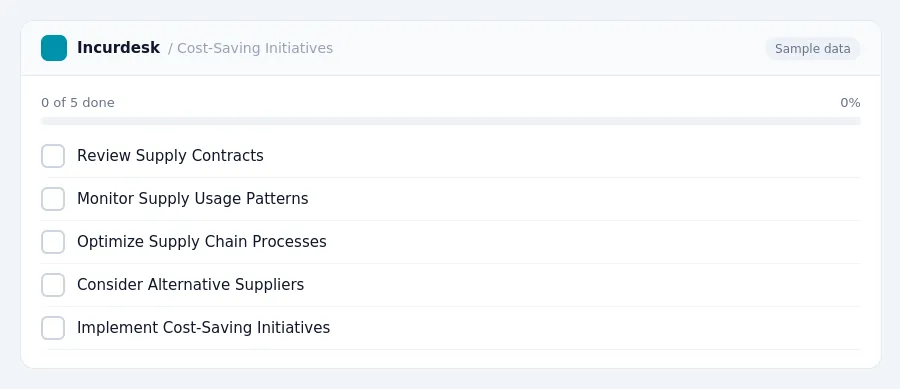
- Review Supply Contracts
- Compare current contracts with previous ones to identify potential savings.
- Consider renegotiating contracts with suppliers to secure better rates.
- Monitor Supply Usage Patterns
- Track supply usage over time to identify areas where waste is occurring.
- Identify opportunities to reduce supply usage without compromising patient care.
- Optimize Supply Chain Processes
- Streamline supply ordering and delivery processes to reduce delays and errors.
- Implement just-in-time inventory management to minimize excess inventory.
- Consider Alternative Suppliers
- Research alternative suppliers to compare prices and services.
- Consider purchasing supplies in bulk to negotiate better rates.
- Implement Cost-Saving Initiatives
- Develop and implement policies to reduce supply waste and improve supply management.
- Provide education and training to staff on supply management best practices.
Complying with Regulations
To ensure compliance with regulations and maintain a secure and efficient supply chain, follow these guidelines:
- Verify product authenticity**: Ensure that all medical supplies and equipment are genuine and not counterfeit. Check the manufacturer's label, packaging, and documentation for authenticity.
- Maintain accurate records**: Keep detailed records of all supply purchases, including invoices, receipts, and product information. Store these records securely and make them easily accessible for audits and inspections.
- Implement a tracking system**: Use a tracking system to monitor supply inventory levels, expiration dates, and product usage. This will help identify potential issues and ensure that supplies are used before they expire.
- Conduct regular audits**: Regularly audit your supply inventory to ensure compliance with regulations and identify areas for improvement. This may involve checking for expired or damaged supplies, verifying product authenticity, and reviewing inventory levels.
- Stay up-to-date with regulatory changes**: Monitor regulatory updates and changes that may impact your supply chain.
Managing Inventory and Preventing Waste
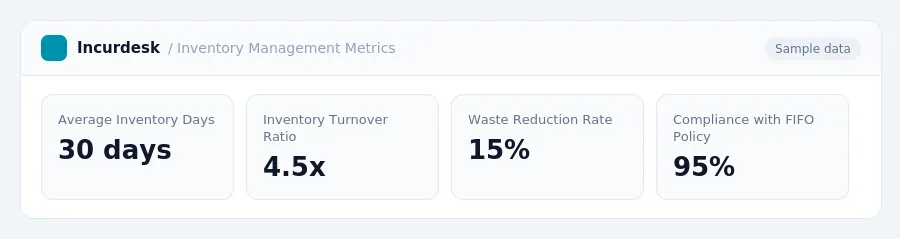
- Conduct regular inventory counts to ensure accurate records and prevent overstocking. This should be done at least quarterly.
- Implement a first-in, first-out (FIFO) inventory system to minimize the risk of expired or obsolete supplies.
- Establish a system for tracking and recording supply usage, including quantities and frequencies of use.
- Consider implementing a barcode scanning system to streamline inventory tracking and reduce manual errors.
- Develop a process for reviewing and disposing of expired, damaged, or unused supplies.
- Consider partnering with suppliers to implement a just-in-time (JIT) inventory system, which can help reduce waste and overstocking.
- Regularly review and update your inventory management policies to ensure they align with changing supply needs and regulatory requirements.
Optimizing Resource Allocation and Budgeting
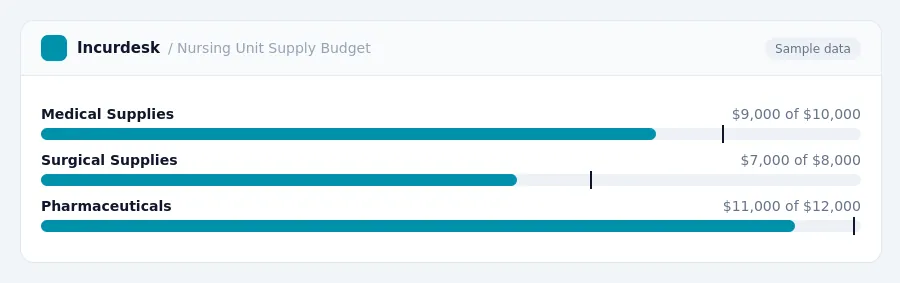
- Develop a budget plan that accounts for all nursing unit supply expenses. Review past spending trends to identify areas for improvement.
- Establish clear spending limits and allocate funds accordingly. Consider setting aside a portion of the budget for unexpected expenses or emergencies.
- Regularly review and adjust the budget as needed to ensure it remains aligned with the hospital's overall financial goals.
- Consider implementing a zero-based budgeting approach, where every expense is justified and approved before being included in the budget.
- Make sure to track and account for all spending, including any adjustments or changes to the budget.
- Consider benchmarking your hospital's supply spending against industry averages, such as the 9.9% growth rate in 2025, to identify areas for improvement.
By following these steps, you can optimize your resource allocation and budgeting, ensuring that your nursing unit supply spending is aligned with your hospital's financial goals and that you are prepared for future increases in spending.
Keeping this simple: Incurdesk turns submitted expenses into clean expense reports. It is built for small hospital teams. Try it free.
Stop losing 4+ hours a week
30-day free trial · No credit card · Setup in 15 minutes