
Partner vs Staff Expense Policies at CPA Firms
A practical, data-backed guide to controlling costs and automating expense workflows.
To ensure compliance with IRS rules and maximize tax benefits, small accounting businesses need to understand the differences between partner and employee expense reimbursement policies. Partner expense reimbursement policies must comply with the IRS's accountable plan requirements, which include timely substantiation and return of excess amounts. For the bigger picture, see our guide to accounting expense management for under $10/user (2026).
Meeting the Three Requirements of an Accountable Plan
An accountable plan is a crucial aspect of expense reimbursement policies for CPA firms. To qualify as an accountable plan, the plan must meet three IRS requirements. Here's what you need to know:
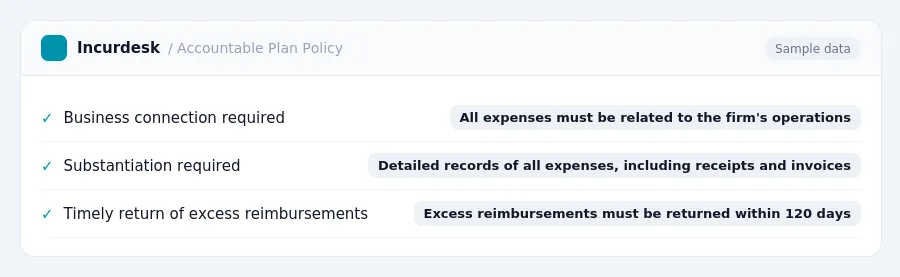
The three requirements for an accountable plan are:
- A business connection for expenses: All expenses must have a clear connection to the business. This means that the expense must be related to the firm's operations or necessary for its success.
- Substantiation of expenses with documentation: You must keep detailed records of all expenses, including receipts, invoices, and other documentation. This documentation must support the business connection and provide a clear understanding of the expense.
- The timely return of any excess reimbursements: If an employee or partner receives reimbursement for an expense that is later found to be excessive or not business-related, they must return the excess amount in a timely manner.
Meeting these requirements is essential for ensuring compliance with IRS rules. By following these guidelines, you can establish a compliant expense reimbursement policy that benefits your firm.
Differences in Reimbursement for Employees and Partners
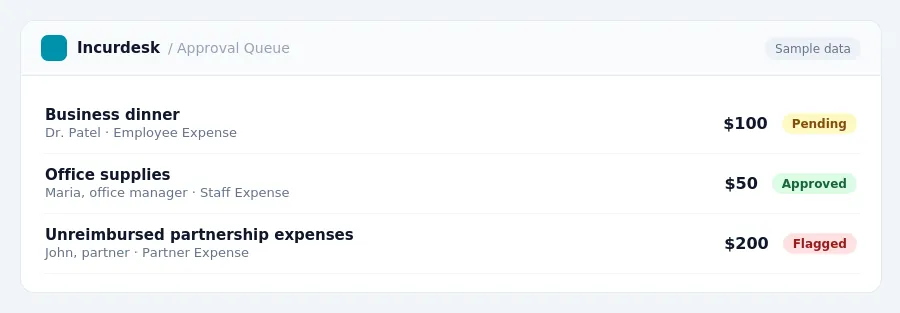
- Partners may deduct unreimbursed partnership expenses on Schedule E.
| Characteristic | Employees | Partners |
|---|---|---|
| Employee status | Employees | Not employees |
| Expense deduction | Expenses must be reimbursed by the employer | May deduct unreimbursed expenses on Schedule E |
Mileage and Per Diem Rates for Expense Reimbursement
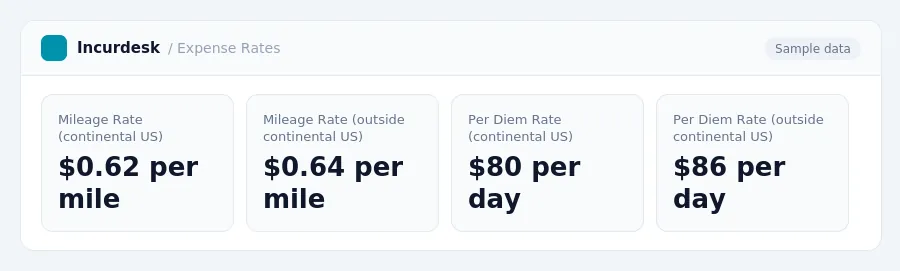
The IRS provides mileage and per diem rates to help you calculate expense reimbursements for employees and partners.
For meal and incidental expenses (M&IE), the rates vary depending on the locality. However, special M&IE rates apply to the transportation industry, with $80 per day for travel within the continental U.S. and $86 per day for travel outside the continental U.S.
You can use these rates to reimburse employees and partners for their expenses, but be sure to keep accurate records to support the reimbursement amounts.
State Laws and Compliance Considerations for Expense Reimbursement
When it comes to expense reimbursement, compliance considerations can vary significantly from state to state. Several states have specific laws requiring reimbursement for necessary business expenses, which can impact a firm's financial considerations. To ensure compliance, it's essential to familiarize yourself with the laws in your state.
Some states, such as Hawaii, New Mexico, and South Dakota, tax accounting services, which could impact a firm's overall financial considerations. This may affect your expense reimbursement policies and overall tax strategy.
Here are some key considerations:
- Check your state's laws regarding expense reimbursement.
- Ensure you're reimbursing employees and partners for necessary business expenses.
- Keep accurate records of expenses and reimbursements.
- Consult with a tax professional to ensure compliance with state and federal laws.
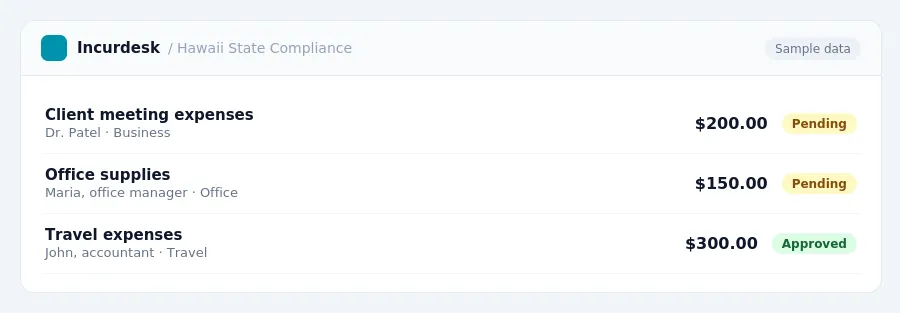
Keeping this simple: Incurdesk keeps receipts and approvals in one place, which makes a written policy easier to follow. It is built for small accounting teams. Try it free.
Stop losing 4+ hours a week
30-day free trial · No credit card · Setup in 15 minutes