
Patient Appreciation Event Expenses for Orthodontic Practices
A practical, data-backed guide to controlling costs and automating expense workflows.
As an owner or office manager at a small orthodontic practice, you're likely looking for ways to show appreciation to your patients while minimizing the financial impact on your business. Fortunately, many expenses related to patient appreciation events are deductible, but it's essential to understand the limits and common pitfalls to avoid. By utilizing orthodontic practices expense management software and following the guidelines outlined in this section, you can maximize your tax benefits and keep more of your hard-earned revenue. For a complete overview, see our expense management guide.
Understanding the IRS Gift Limitations for Orthodontic Practices
When hosting patient appreciation events, it's essential to understand the IRS gift limitations to ensure your business remains tax-efficient.
However, there are some costs associated with gifts that are fully deductible and do not count against the $25 gift limit. These include engraving, gift wrapping, packaging, insurance, and shipping costs for business gifts, as long as they do not add substantial value to the gift itself.
Here are some examples of gifts that may be deductible under the $25 limit:
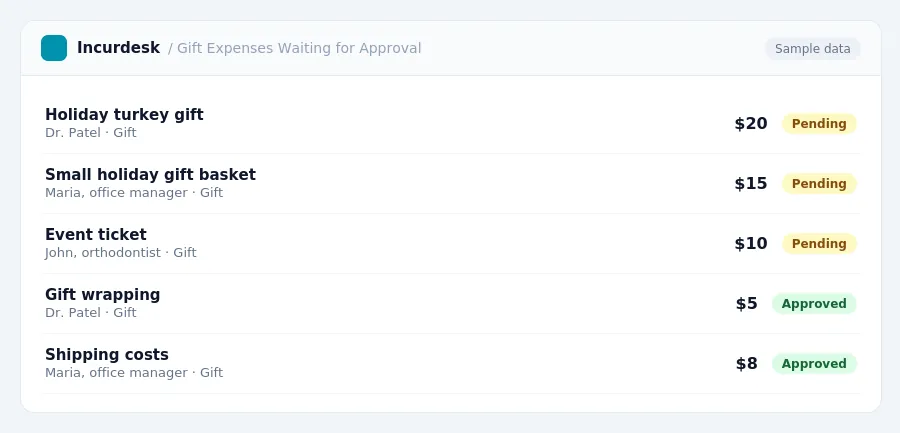
- Holiday turkeys
- Occasional event tickets
- Small holiday gift baskets
It's also worth noting that if both spouses have a separate business relationship with the practice, the $25 gift limit generally applies to each spouse, totaling $50.
Expensing Business Meals and Entertainment
The IRS allows orthodontic practices to deduct a portion of business meals and entertainment expenses, but there are specific rules to follow.
- The meal must not be lavish or extravagant.
- The taxpayer must be present.
- There must be a clear business purpose with proper documentation.
For tax years 2025 and 2026, business meals with clients or business associates are generally 50% deductible.
Examples of deductible expenses include:
- Food and beverages
- Entertainment costs, such as tickets to sporting events or concerts
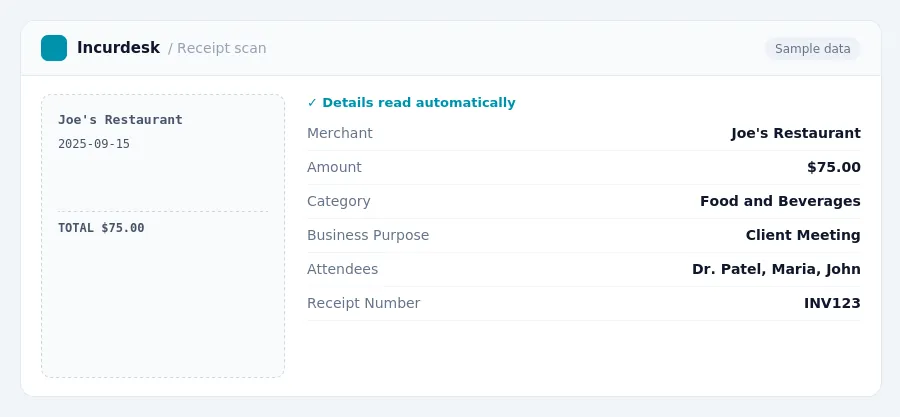
When documenting business meals, keep a record of:
- The date and location of the meal
- The business purpose of the meal
- The names and titles of those present
Remember to review the IRS guidelines for specific details and to consult with a tax professional if you have any questions.
Maximizing Tax Benefits for Small Promotional Items
To maximize tax benefits for small promotional items, consider the following guidelines:
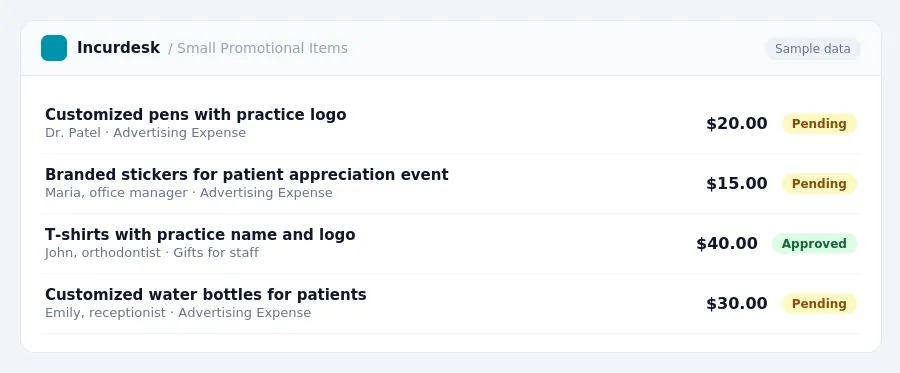
- Small promotional items that cost $4 or less per unit and are permanently imprinted with the business name can be treated as advertising expenses, not gifts.
- These items should be distributed widely, such as at a patient appreciation event, to qualify as advertising expenses.
For more information on the employment tax treatment of fringe benefits, including small promotional items, refer to IRS Publication 15-B.
De Minimis Fringe Benefits and Employee Appreciation
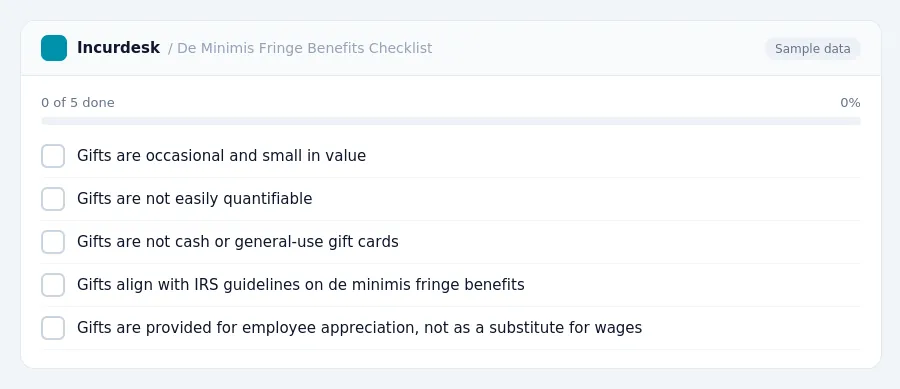
Small, occasional, in-kind gifts to employees that are administratively impractical to track and tax can qualify as de minimis fringe benefits. Examples include items like coffee, donuts, or holiday treats. However, cash and general-use gift cards, regardless of value, do not qualify as de minimis fringe benefits and are considered taxable wages for employees.
When evaluating de minimis fringe benefits, the IRS considers the value, frequency, and administrative practicality of the gifts. There isn't a hard dollar threshold for these benefits, so practices should focus on providing gifts that are occasional, small in value, and not easily quantifiable.
For example, if your practice provides a small bag of coffee beans to each employee every Monday morning, this could qualify as a de minimis fringe benefit. However, if you provide a $50 gift card to each employee every week, this would not qualify and would be considered taxable wages.
Keep in mind that de minimis fringe benefits are subject to specific rules and regulations. If you're unsure about what constitutes a de minimis fringe benefit, it's best to consult with a tax professional to ensure compliance with IRS regulations.
Deductible Expenses for Patient Appreciation Events
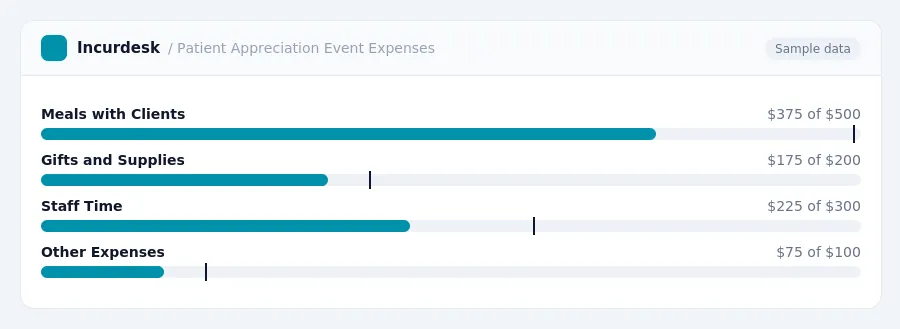
When planning a patient appreciation event, it's essential to keep track of expenses to ensure you're maximizing tax benefits. Here are some deductible expenses to consider:
- To qualify, meals must be with current or potential clients, and you must have a record of the date, time, place, and business discussed.
- Gifts: Small gifts, such as pens, notepads, or other promotional items, are generally deductible. However, entertainment expenses, like tickets to sporting events or club memberships, are not deductible for tax years 2025 and 2026.
- Standard mileage rate: If you use your vehicle for business purposes, you may be able to deduct the standard mileage rate, which changes yearly. For tax purposes, keep a log of miles driven and record the date, destination, and business purpose of each trip.
- Other expenses: Other deductible expenses may include event supplies, decorations, and staff time spent organizing the event.
Proper documentation is crucial for all deductible expenses. Keep accurate records of receipts, invoices, and business purposes for each expense. This will help ensure you're taking advantage of available tax deductions and avoid any potential audits or penalties.
Keeping this simple: Incurdesk turns submitted expenses into clean expense reports. It is built for small orthodontic practice teams. Try it free.
Stop losing 4+ hours a week
30-day free trial · No credit card · Setup in 15 minutes