
Planning Preventive Maintenance Spend
A practical, data-backed guide to controlling costs and automating expense workflows.
Effective expense management for property management requires a clear understanding of current regulations, tax implications, and best practices to allocate funds for preventive maintenance. By implementing a proactive approach to maintenance, small property management businesses can save money and resources in the long run, ensuring property longevity and tenant satisfaction.
Understanding Preventive Maintenance Budgeting Essentials
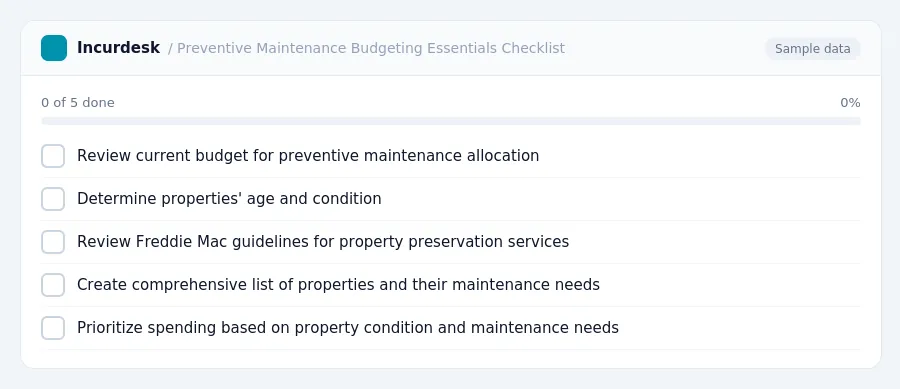
When planning preventive maintenance spend, it's essential to understand the budgeting essentials. Start by reviewing your current budget to determine how much you can allocate towards preventive maintenance. Consider the age and condition of your properties, as well as any upcoming repairs or replacements.
Freddie Mac has guidelines for property preservation services on Freddie Mac-owned and Freddie Mac-backed loans, covering inspections, securing, boarding, debris removal, yard maintenance, and emergency repairs. Review these guidelines to ensure you're meeting their requirements.
Create a comprehensive list of all your properties and their corresponding maintenance needs. This will help you prioritize your spending and allocate funds effectively. For example, if you have a property with a aging roof, you may want to prioritize replacing it before it causes further damage.
Tax Implications for Property Management Businesses
The tax implications for property management businesses can be complex, but understanding the basics is crucial for effective preventive maintenance budgeting.
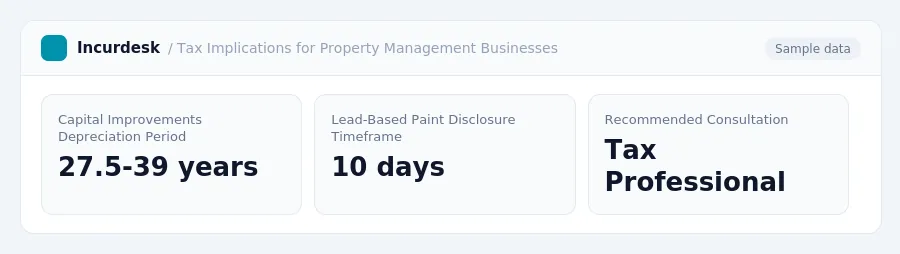
Capital improvements, like replacing an entire roof, must be capitalized and depreciated over 27.5-39 years, as they materially add value, substantially prolong useful life, or adapt the property to new uses.
Sellers, landlords, agents, and rental property managers are required to disclose known information about lead-based paint or hazards, provide available records and reports, and allow buyers up to 10 days for inspection.
Property management businesses should consult with a tax professional to ensure compliance with these regulations and to optimize their tax strategy.
It's also essential to stay informed about updates to regulatory requirements, such as the upcoming revisions to the HUD Multifamily Asset Management and Project Servicing Handbook (Handbook 4350.1), which are expected in 2026.
By understanding these tax implications and regulatory requirements, property management businesses can make informed decisions about their preventive maintenance budgeting and ensure compliance with relevant laws and regulations.
Key Takeaways:
- Distinguish between repairs and capital improvements.
- Consult with a tax professional to optimize tax strategy.
- Stay informed about updates to regulatory requirements.
Regulatory Requirements and Compliance for Preventive Maintenance
Compliance with regulations is crucial when it comes to preventive maintenance budgeting. As a property management business, you must ensure that your maintenance practices align with local, state, and federal regulations.
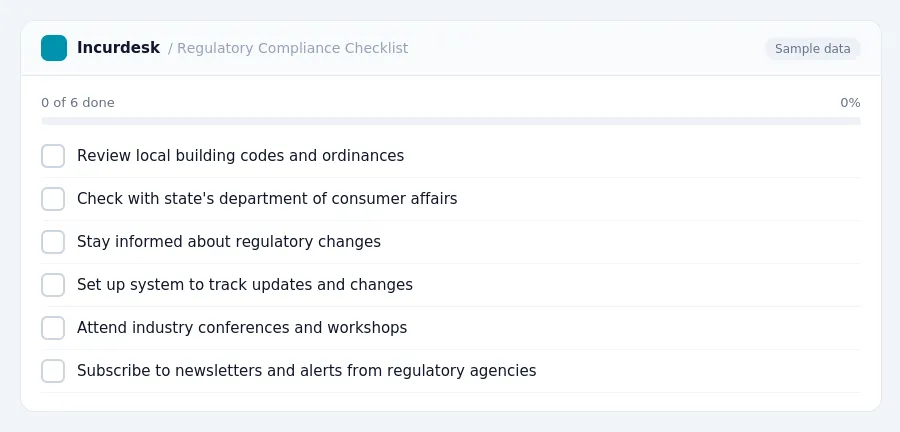
- Review local building codes and ordinances to determine specific requirements for your properties.
- Check with your state's department of consumer affairs or housing agency for any regulations regarding maintenance and repairs.
It's also essential to stay informed about changes to regulations and laws that may impact your business. Set up a system to track updates and changes, such as:
- Regularly checking government websites and publications for updates.
- Attending industry conferences and workshops to stay informed.
- Subscribing to newsletters and alerts from regulatory agencies.
Additionally, consider the following best practices to ensure compliance:
- Keep detailed records of maintenance and repairs, including dates, times, and descriptions of work performed.
- Conduct regular inspections to identify potential issues before they become major problems.
- Develop a comprehensive maintenance plan that addresses all aspects of property maintenance.
By staying informed and compliant with regulations, you can ensure that your preventive maintenance budgeting practices are effective and efficient, and that your properties remain safe and well-maintained for your tenants.
Best Practices for Allocating Preventive Maintenance Funds
When allocating funds for preventive maintenance, prioritize based on property condition, age, and usage. Consider dividing your budget into three main categories: routine maintenance, capital improvements, and emergency repairs.
Regularly review and update your budget to reflect changing property needs and financial circumstances. Be sure to account for seasonal fluctuations in maintenance costs and unexpected expenses. Consider setting aside a small reserve fund for unexpected repairs or emergencies.
When allocating funds, also consider the following:
- Identify and address high-priority areas, such as HVAC systems and roof maintenance.
- Consider the age and condition of major systems and components, and allocate funds accordingly.
- Take into account the usage and occupancy of different areas of the property, and allocate funds accordingly.
Remember to communicate clearly with your team and stakeholders about budget allocations and priorities to ensure everyone is on the same page.
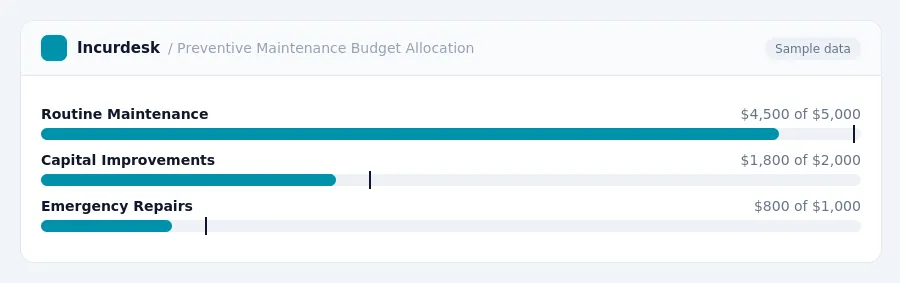
Calculating and Prioritizing Preventive Maintenance Spend
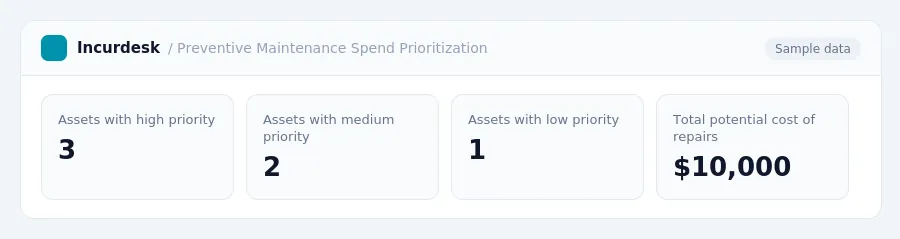
Calculating and prioritizing preventive maintenance spend is a crucial step in creating an effective budget. Start by identifying the assets that require maintenance, such as HVAC systems, roofs, and plumbing. Then, assess the condition of these assets and their remaining lifespan. Next, consider the potential costs of repairs or replacements, as well as the potential impact on tenant satisfaction and property value.
Assign a priority level to each asset based on its condition, remaining lifespan, and potential impact. Consider factors such as the cost of repairs or replacements, the potential for downtime or disruption, and the impact on tenant satisfaction.
Use a maintenance management system to track and record maintenance activities, including the date, description, and cost of each activity. This will help you to identify trends and patterns in maintenance spending, and to make informed decisions about future maintenance activities.
Review your budget regularly to ensure that you are allocating sufficient funds for preventive maintenance. Consider factors such as inflation, changes in property value, and changes in maintenance costs.
Consider using a phased maintenance approach, where you prioritize the most critical maintenance activities and phase them in over time. This can help to spread out the cost of maintenance and ensure that you are allocating sufficient funds.
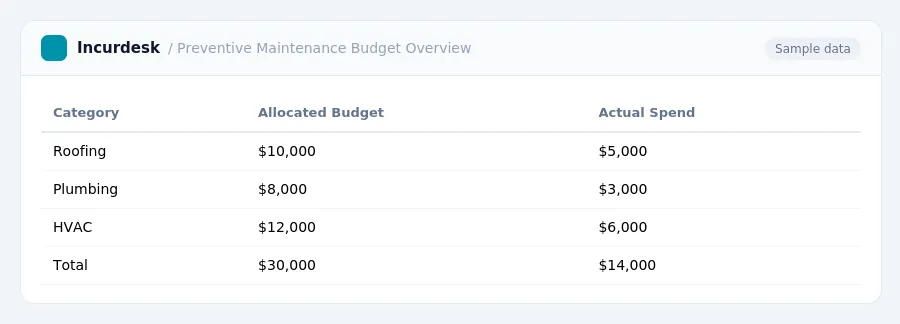
Consider this benchmark when allocating funds for preventive maintenance.
Keeping this simple: Incurdesk collects every receipt and expense report in one place, so spending is easy to review. It is built for small property management teams. Try it free.
Stop losing 4+ hours a week
30-day free trial · No credit card · Setup in 15 minutes