
Preparing Construction Expenses for Year-End Taxes
A practical, data-backed guide to controlling costs and automating expense workflows.
Small construction businesses need to understand specific tax deductions and depreciation rules for year-end tax preparation. To maximize benefits, accurate record-keeping and strategic timing of purchases are crucial. Tools like construction expense management for under $10/user (2026) can help streamline the process, but it's essential to stay informed about current limits, rates, and legislative changes. For a complete overview, see our expense management guide.
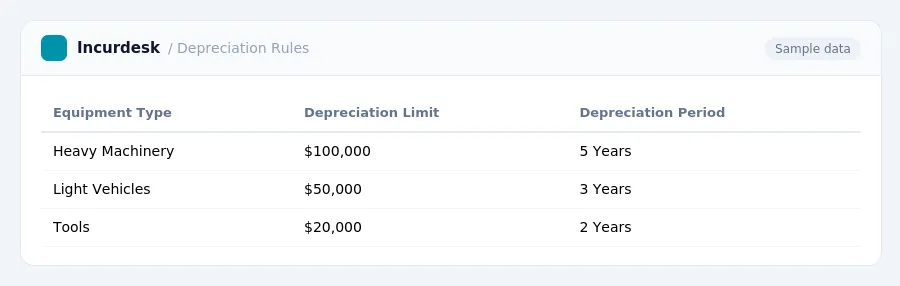
Depreciation Rules and Limits
- Understand the bonus depreciation rules:
- This applies to most tangible personal property with a recovery period of 20 years or less.
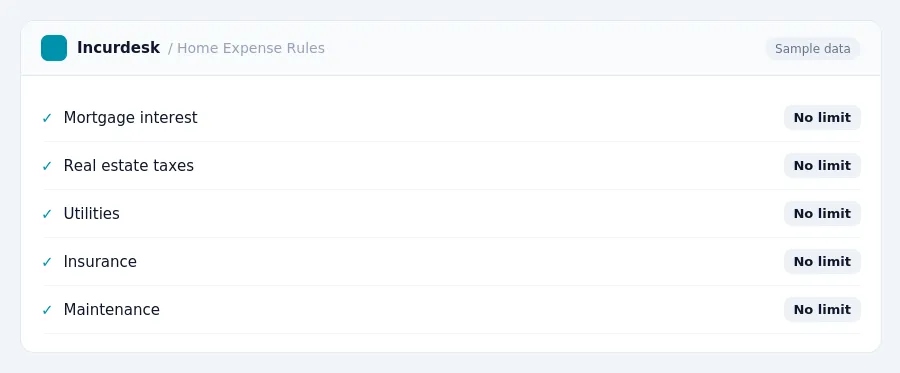
- Know the regular method for home expenses:
- The regular method allows for the deduction of actual home expenses, including:
- Mortgage interest
- Real estate taxes
- Utilities
- Insurance
- Maintenance
- Depreciation
Equipment Purchases and Timing
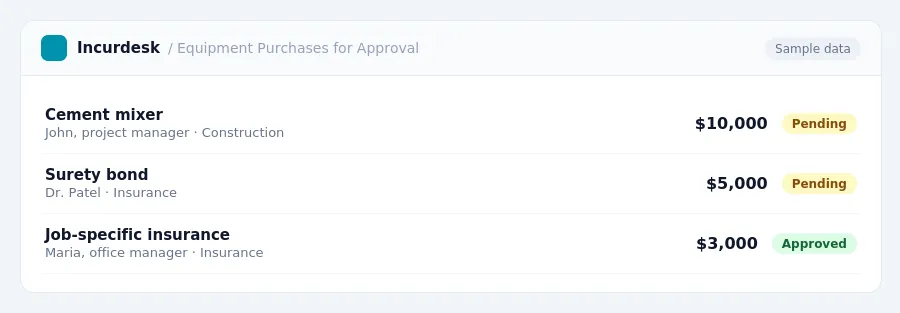
Premiums for job-specific insurance and mandatory surety bonds are fully deductible project expenses. You can deduct these expenses as part of your overall business expenses.
- Timing is everything: Consider purchasing equipment and materials before the end of the year to maximize deductions.
- Keep records of all purchases, including receipts, invoices, and serial numbers.
- Make sure to obtain a Form 1099-MISC from vendors and suppliers, as these documents may be required for tax purposes.
- For large purchases, consider using a
Record-Keeping and Compliance
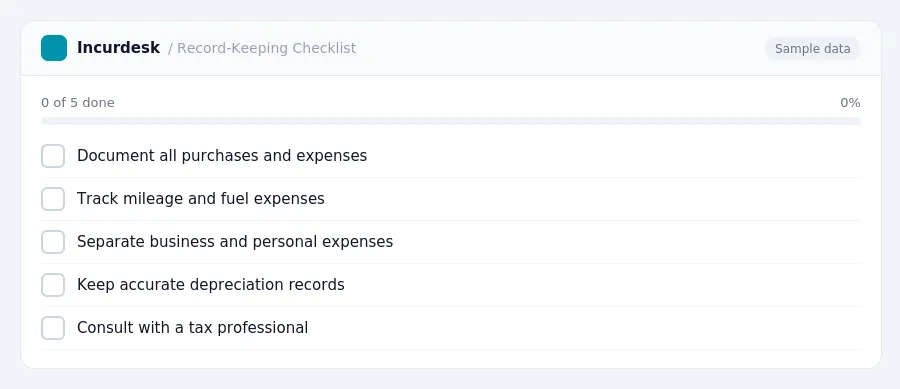
Accurate record-keeping is essential for construction businesses to take advantage of tax deductions and depreciation benefits. Here's what you need to do:
- Document all purchases and expenses: Keep receipts, invoices, and bank statements for all equipment, materials, and services purchased for your business.
- Track mileage and fuel expenses: Log miles driven for business purposes and record fuel expenses to claim mileage and fuel deductions.
- Separate business and personal expenses: Use separate bank accounts and credit cards for business and personal expenses to avoid commingling funds.
- Keep accurate depreciation records: Track depreciation on equipment and assets, including the date of purchase, cost, and depreciation method used.
- Consult with a tax professional: Regularly review your records with a tax professional to ensure you're taking advantage of all available deductions and depreciation benefits.
It's also important to comply with tax regulations, including:
- Deadlines for filing tax returns: File tax returns on time to avoid penalties and interest.
- Reporting requirements for bonus depreciation
- Record-keeping for equipment and assets: Keep accurate records of equipment and assets, including purchase dates, costs, and depreciation methods used.
By following these guidelines, you can ensure accurate record-keeping and compliance with tax regulations, maximizing your tax benefits and avoiding potential penalties.
Year-End Strategies and Planning
As the year comes to a close, it's essential to review your construction business's financials and implement strategies to optimize your tax benefits. Here are some practical steps to help you prepare:
- Review your financial records and identify any opportunities to accelerate or defer expenses.
- Consider purchasing equipment or vehicles before year-end to maximize depreciation benefits. However, be sure to follow proper accounting procedures and ensure that any new purchases are properly recorded and documented.
- Review your accounts payable and accounts receivable to ensure that you're taking advantage of any available cash flow opportunities.
- Make sure to file all necessary tax forms and reports on time, including Form 1099-MISC for independent contractors and Form W-2 for employees.
By implementing these strategies, you can help ensure that your construction business is well-positioned for year-end tax preparation and take advantage of available tax benefits.
Tax rules, limits and rates change. Confirm current figures with the IRS or your accountant before you file.
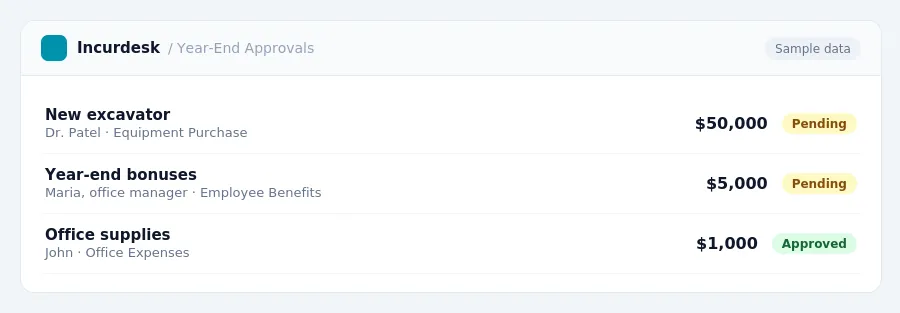
Keeping this simple: Incurdesk turns submitted expenses into clean expense reports. It is built for small construction teams. Try it free.
Stop losing 4+ hours a week
30-day free trial · No credit card · Setup in 15 minutes