
Realtor Mileage Reimbursement: What to Track
A practical, data-backed guide to controlling costs and automating expense workflows.
For the bigger picture, see our guide to real estate expense management for under $10/user (2026). For a complete overview, see our expense management guide.
Determining the Standard Mileage Rate
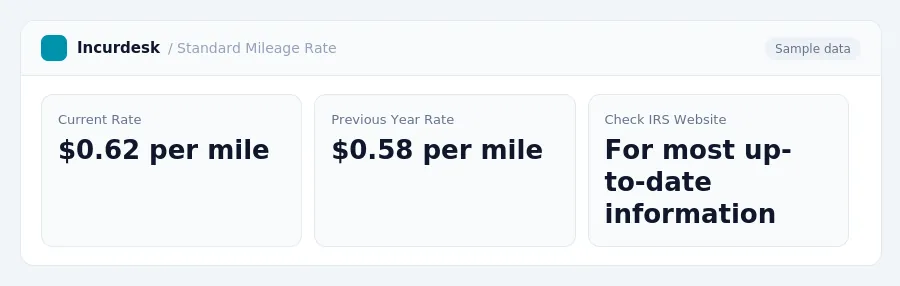
The standard mileage rate is used to calculate the business use of a vehicle for tax purposes.
The IRS sets the standard mileage rate each year, and it can vary from year to year. If you need to know the standard mileage rate for a previous year, you can check the IRS website for the specific rate.
The standard mileage rate is only applicable for business use. If you are using your vehicle for medical or moving purposes, you will use a different rate.
It's essential to note that the standard mileage rate is subject to change, so it's crucial to check the IRS website for the most up-to-date information.
Tracking Business Mileage and Expenses
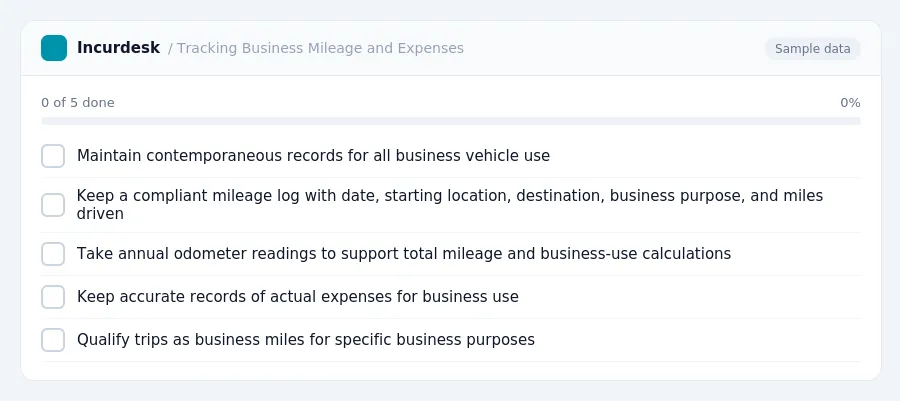
Tracking business mileage and expenses is a crucial step in ensuring compliance with IRS regulations and maximizing tax benefits. To meet the IRS's record-keeping requirements, you must maintain contemporaneous, detailed records for all business vehicle use. This includes a compliant mileage log with the following information for each trip:
- Date
- Starting location and destination
- Business purpose
- Miles driven
Additionally, you must take annual odometer readings to support total mileage and business-use calculations. To qualify as business miles, trips must be for specific business purposes, such as client meetings, property showings, or deliveries. If you choose the actual expense method, you can deduct the actual costs of operating the vehicle for business use, including fuel, maintenance, and insurance. Be sure to keep accurate records of these expenses to support your deductions.
Maintaining Compliant Records and Documentation
First, it's essential to keep accurate and detailed records of all business-related mileage, including the date, start and end time, destination, and purpose of each trip. This can be done using a log or spreadsheet, and should be regularly reviewed and updated.
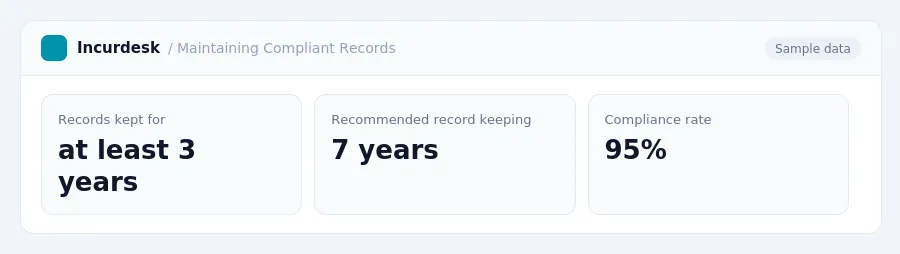
- Keep all records for at least three years from the date the tax return is filed, though seven years is often recommended.
Additionally, it's a good idea to keep receipts and invoices for any expenses related to business travel, including gas, parking, and meals.
It's also essential to keep all records organized and easily accessible, either electronically or in a physical file. This will make it easier to review and update records, and provide a clear trail of documentation in case of an audit.
Reimbursement and Deduction Rules for Employees and Business Owners
When it comes to reimbursing employees and business owners for mileage, it's essential to understand the rules to ensure compliance and maximize tax benefits.
For business owners, the rules are slightly different. Business owners can deduct business mileage on their tax returns, but only if they have accurate records and documentation. The standard mileage rate can be used to calculate the deduction, or business owners can keep a log of actual expenses, including gas, maintenance, and repairs. It's essential to keep accurate records of business mileage and expenses to ensure compliance with IRS rules.
This will help ensure compliance with IRS rules and maximize tax benefits.
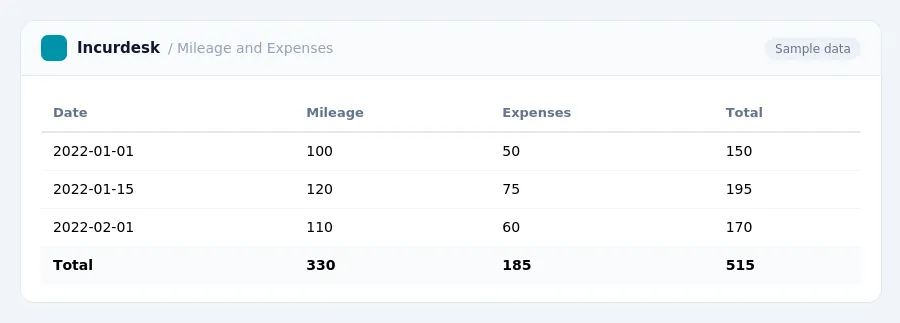
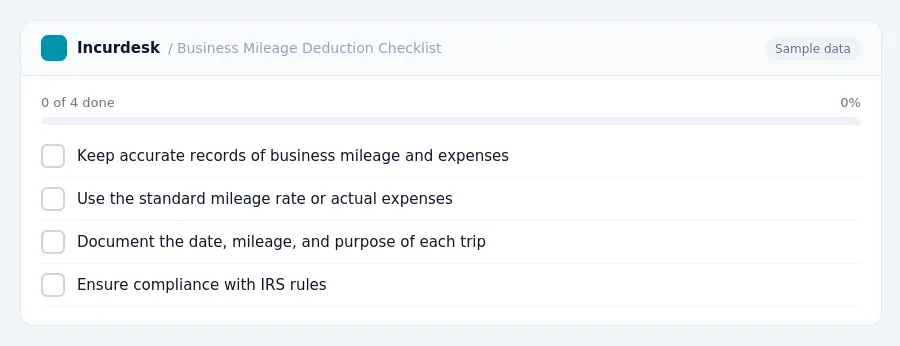
- Keep accurate records of business mileage and expenses, including the date, mileage, and purpose of each trip.
Avoiding Common Mistakes and Ensuring IRS Compliance
When it comes to tracking and reimbursing employee mileage, it's easy to make mistakes that can lead to IRS penalties and lost tax benefits. To avoid these issues, it's essential to stay on top of your record-keeping and follow the rules carefully.
- Keep accurate and detailed records of all business mileage, including the date, destination, and purpose of each trip.
- Use a standard mileage log or spreadsheet to track mileage and calculate total miles driven.
- Make sure to keep receipts for any expenses related to business travel, such as gas, parking, and tolls.
- For charitable mileage, use the standard rate of 14 cents per mile, but only for qualified charitable organizations.
It's also essential to review and update your records regularly to ensure accuracy and compliance. If you're audited by the IRS, you'll need to provide detailed records to support your claims, so make sure you're keeping everything organized and easily accessible.
By staying on top of your record-keeping and following the rules, you can maximize your tax benefits and avoid costly penalties.
For more information on IRS rules and regulations, check the IRS website or consult with a tax professional. It's always better to err on the side of caution when it comes to tax compliance, so don't hesitate to seek guidance if you're unsure about any aspect of tracking and reimbursing employee mileage.
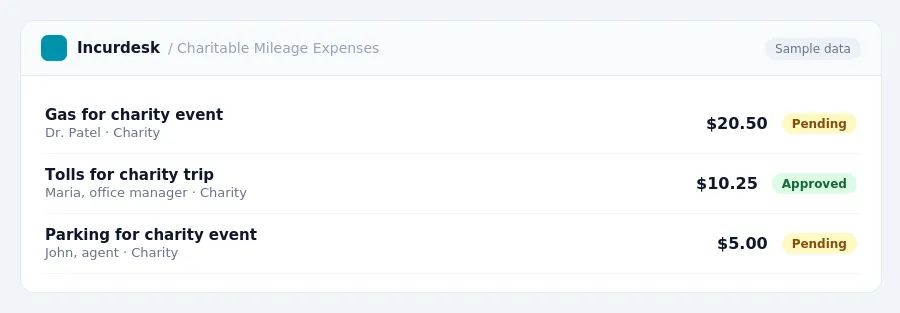
Keeping this simple: Incurdesk keeps receipts and approvals together, so you know exactly what to reimburse. It is built for small real estate teams. Try it free.
Stop losing 4+ hours a week
30-day free trial · No credit card · Setup in 15 minutes