
Recruiting and Interview Travel Expenses for Hospitals
A practical, data-backed guide to controlling costs and automating expense workflows.
Effective expense management for hospitals requires employers to follow specific guidelines to ensure reimbursement is compliant with tax laws. For a complete overview, see our expense management guide.
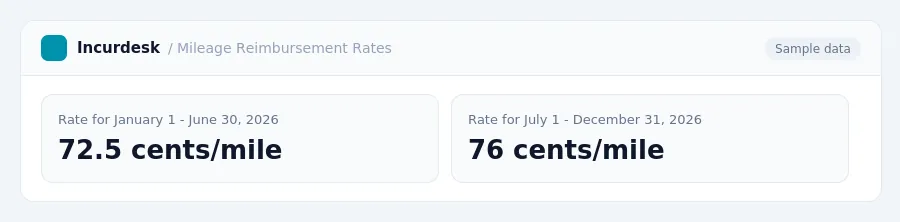
For the first six months of 2026, the rate is 72.5 cents per mile. This rate applies to all travel between January 1 and June 30, 2026. If your employee's travel occurs between July 1 and December 31, 2026, the rate increases to 76 cents per mile.
This change affects the reimbursement for employees' recruitment travel expenses, and it's essential to use the correct rate based on the date of travel.
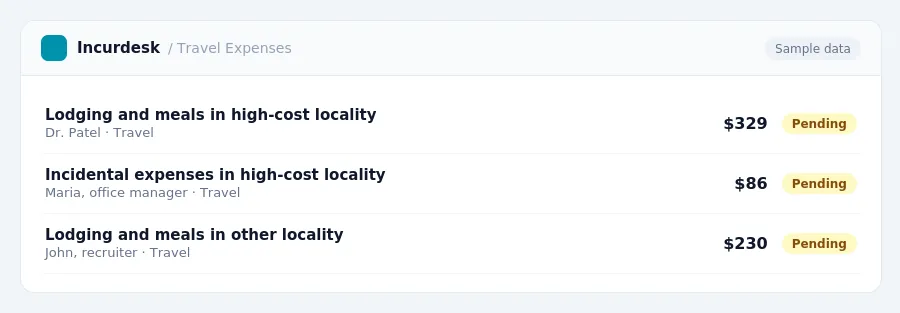
For high-cost localities, the rate is $329 per day for lodging, meals, and incidental expenses, effective October 1, 2026, through September 30, 2027. For other localities, the rate is $230 per day.
For high-cost localities, the meal and incidental expenses only rate is $86 per day.
The incidental expenses only rate is $5 per day.
Accountable Plan Requirements for Tax-Compliant Reimbursements
An accountable plan requires employees to substantiate the time, place, and business purpose of their travel. This can be done by providing receipts, itineraries, or other documentation.
Employers should note that individual states may have their own regulations regarding business expense reimbursements or taxes.
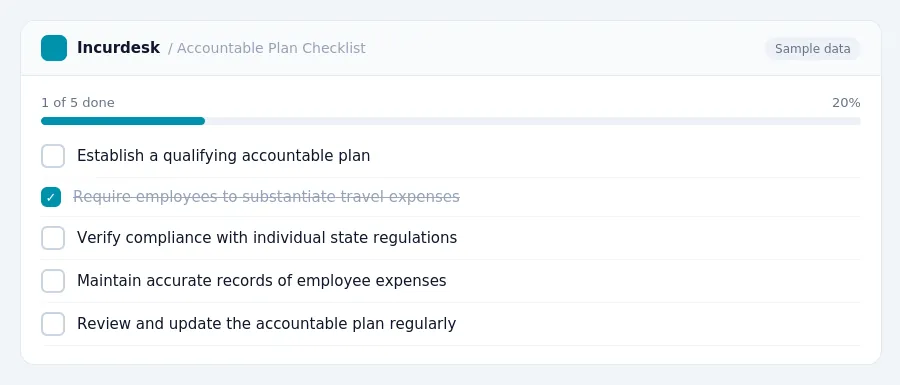
To ensure tax compliance, employers should:
- Establish a qualifying accountable plan.
- Require employees to substantiate travel expenses.
By following these steps, employers can ensure tax compliance and maintain positive employee relations.
Documenting and Substantiating Travel Expenses for Reimbursement
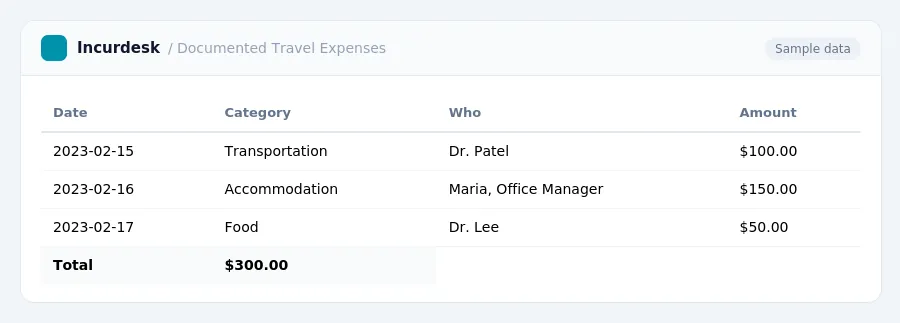
When documenting and substantiating travel expenses for reimbursement, there are specific requirements to keep in mind.
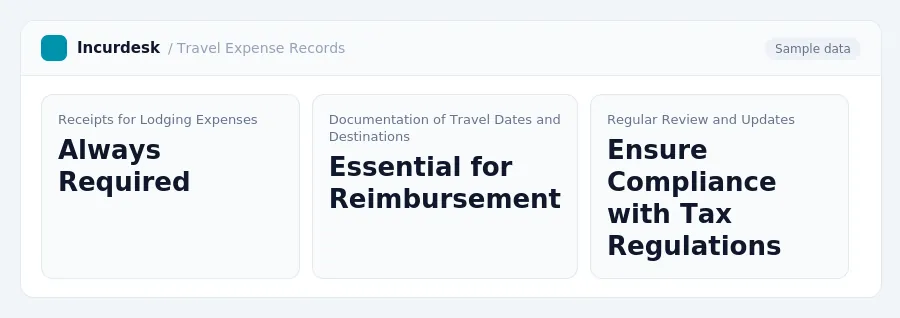
Lodging expenses require receipts, regardless of the amount. Make sure to obtain and keep receipts for all lodging expenses.
To substantiate travel expenses, you'll need to keep the following records:
- Receipts for all lodging expenses
- Documentation of travel dates and destinations
It's essential to keep these records in case of an audit. You can store them digitally or in a physical file, but make sure they are easily accessible and well-organized.
Remember to review and update your records regularly to ensure compliance with tax regulations.
Common Pitfalls and Best Practices for Recouping Reimbursement Expenses
When it comes to recouping reimbursement expenses for recruitment and interview travel, small hospitals must be mindful of common pitfalls to avoid costly errors. Here are some best practices to keep in mind:
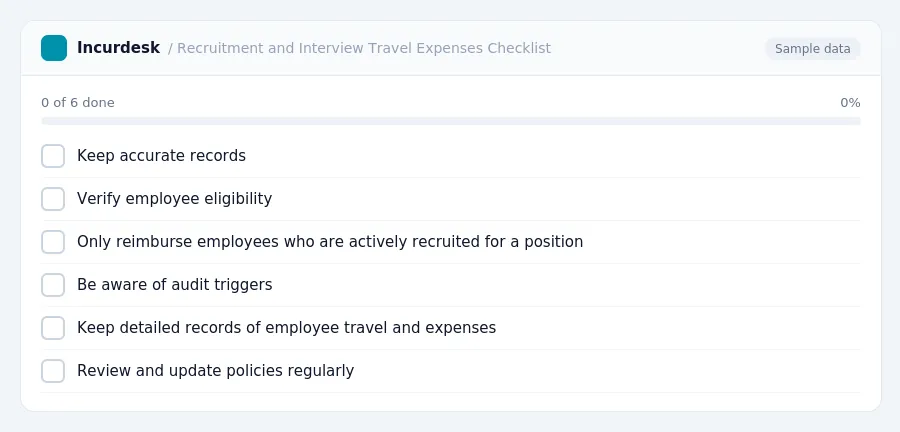
- Keep accurate records.
- Verify employee eligibility. Only reimburse employees who are actively recruited for a position and not just attending conferences or training.
- .
- Be aware of audit triggers. Keep detailed records of employee travel and expenses, especially for employees with high travel expenses or those who frequently travel for recruitment purposes.
- Review and update policies regularly.
By following these best practices, small hospitals can minimize the risk of errors and ensure compliance with tax regulations.
Tax rules, limits and rates change. Confirm current figures with the IRS or your accountant before you file.
Keeping this simple: Incurdesk keeps receipts and approvals together, so you know exactly what to reimburse. It is built for small hospital teams. Try it free.
Stop losing 4+ hours a week
30-day free trial · No credit card · Setup in 15 minutes