
Reimbursement Tracking for Real Estate Developers
A practical, data-backed guide to controlling costs and automating expense workflows.
Accurate tracking is crucial for both financial record-keeping and qualifying for tax benefits, such as those related to real estate professional status. To streamline your real estate expense management, consider investing in a user-friendly system for under $10/user (2026). For the bigger picture, see our guide to real estate expense management for under $10/user (2026).
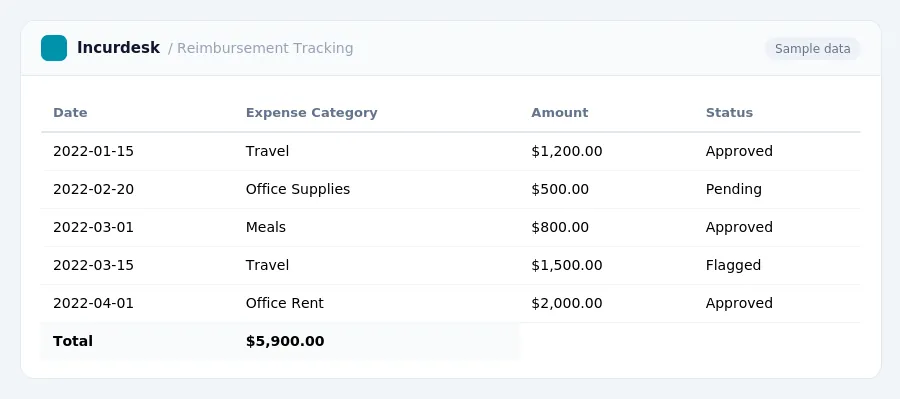
Reimbursement Tracking for Business Expenses
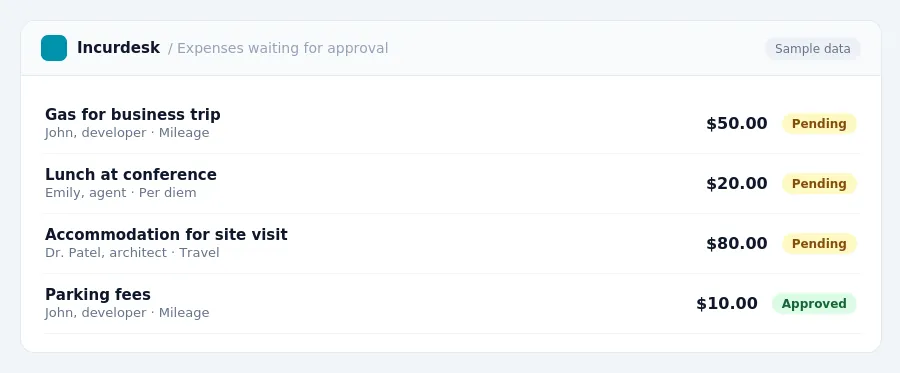
To start, you'll need to keep a record of all business-related expenses, including mileage and per diem expenses.
To track mileage, consider keeping a log of dates, miles driven, and business purposes for each trip.
For per diem expenses, you'll need to keep a record of meals, lodging, and other expenses incurred while traveling for business.
When tracking expenses, be sure to keep receipts and documentation for all business-related expenses.
Additionally, be aware of state-specific laws, such as Illinois law, which requires employers to reimburse all necessary business expenses, regardless of wage level.
Remember to regularly review and update your expense tracking system to ensure accuracy and compliance.
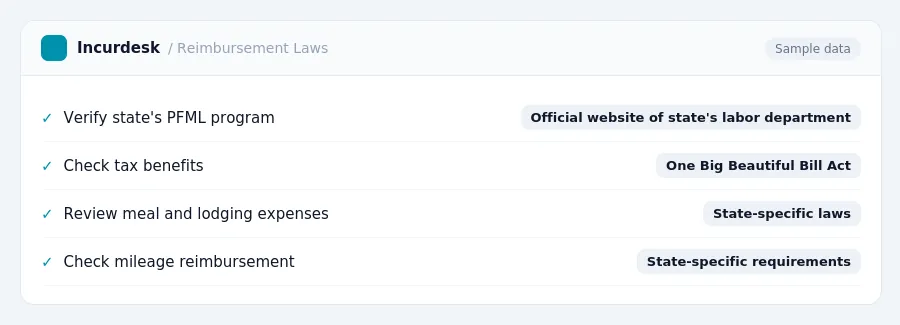
State-Specific Reimbursement Obligations and Laws
Many states have enacted State Paid Family and Medical Leave (PFML) programs, requiring employers to comply with both federal and applicable state rules. As of 2026, these programs differ in duration, wage replacement, and eligibility.
- Determine your state's PFML program:
- Check the official website of your state's labor department or employment agency.
- Review the program's eligibility requirements, benefits, and application process.
Compliance with state-specific reimbursement laws also affects tax benefits, such as bonus depreciation under the One Big Beautiful Bill Act.
For example, some states have specific laws governing meal and lodging expenses, while others have unique requirements for mileage reimbursement. Employers should familiarize themselves with these laws to ensure accurate tracking and reimbursement.
Verify your state's reimbursement laws: Check with your state's labor department or employment agency for the most up-to-date information on state-specific reimbursement laws and regulations.
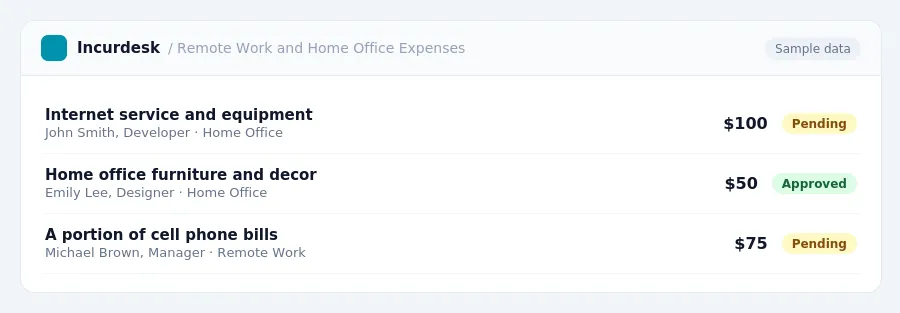
Reimbursement for Remote Work and Home Office Expenses
To determine what expenses are reimbursable, check with your state's labor department for specific guidelines.
For example, you may need to reimburse employees for:
- Internet service and equipment costs
- Home office equipment and furniture
- A portion of cell phone bills, such as minutes and data usage
Consult with a tax professional to determine the best approach for your business.
Time Tracking and Real Estate Professional Status
As a real estate professional, accurately tracking time spent on business activities is crucial for tax benefits and meeting state-specific requirements.
To meet this requirement, you should maintain detailed records of client interactions and agreements.
To comply with this rule, you should keep accurate records of all transactions, including client names, addresses, and dates of purchase.
For tax purposes, you can deduct business expenses related to your real estate activities.
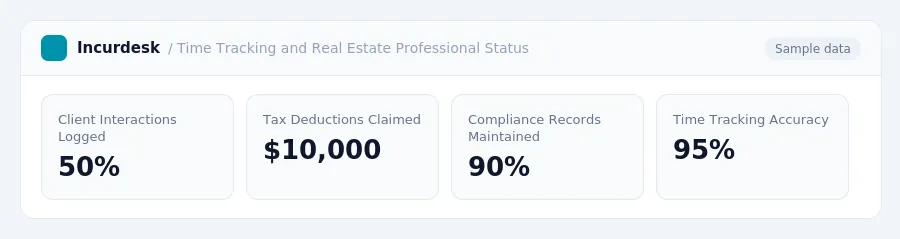
Remember to keep accurate and detailed records of all business activities, including time spent on client interactions, transactions, and property maintenance. This will help you qualify for tax benefits and meet state-specific requirements.
Keeping this simple: Incurdesk keeps receipts and approvals together, so you know exactly what to reimburse. It is built for small real estate teams. Try it free.
Stop losing 4+ hours a week
30-day free trial · No credit card · Setup in 15 minutes