
Reimbursing Architect License Renewals and Association Dues
A practical, data-backed guide to controlling costs and automating expense workflows.
Reimbursing employees for architect license renewals and professional association dues can be a valuable investment for small architecture businesses, helping to maintain compliance with industry regulations and boost employee morale. By following state-specific regulations and maintaining accurate documentation, architecture businesses can maximize tax benefits and stay within budget, all while leveraging architecture expense management for under $10/user (2026).
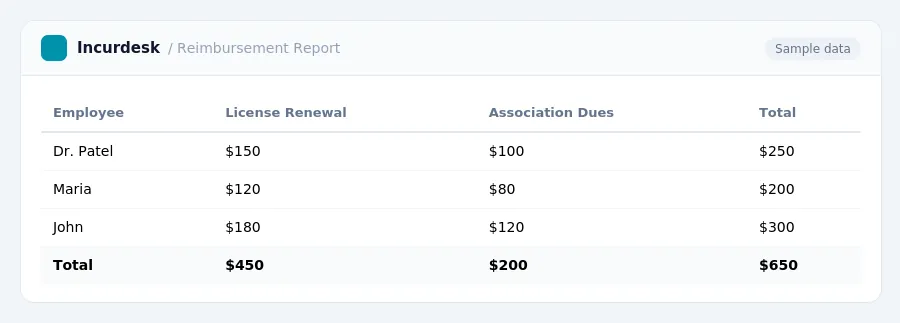
Understanding the Tax Deductibility of Reimbursing Architect License Renewals
Understanding the tax deductibility of reimbursing architect license renewals is crucial for small architecture businesses.
State-specific regulations can also impact deductibility. For instance, in South Carolina, the total architect license renewal fee varies depending on the postmark date:
License renewal fees vary significantly by state and can change annually, so it's crucial to check the specific regulations for your state. Additionally, federal and state tax laws regarding deductibility and reimbursements can change yearly, so it's essential to stay informed about any updates or changes.
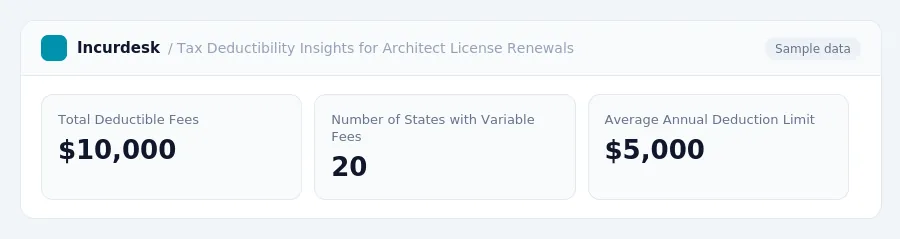
Setting Up an Accountable Plan for Reimbursement
When establishing an accountable plan for reimbursing architect license renewals and professional association dues, follow these steps:
1. Define business connection: Determine which license renewals and association dues are related to your business. This may include renewals for architects working on specific projects or association dues for industry-specific networking opportunities.
- Keep records of the business connection, including project numbers, client names, or specific tasks.
- Ensure employees understand the business connection requirements.
2. Establish timely substantiation:
- Require employees to provide receipts for all license renewals and association dues within a reasonable timeframe (e.g., 30 days).
- Keep a record of the receipts, including dates, amounts, and descriptions of the expenses.
3. Set up excess reimbursement return process:
- Establish a process for employees to return any excess reimbursement within a reasonable timeframe (e.g., 30 days).
- Keep a record of excess reimbursement returns, including dates and amounts returned.
4. Review and update the accountable plan annually:
- Update the plan as necessary to reflect changes in business operations or employee expenses.
Remember to keep accurate records of all reimbursed expenses and excess reimbursement returns.
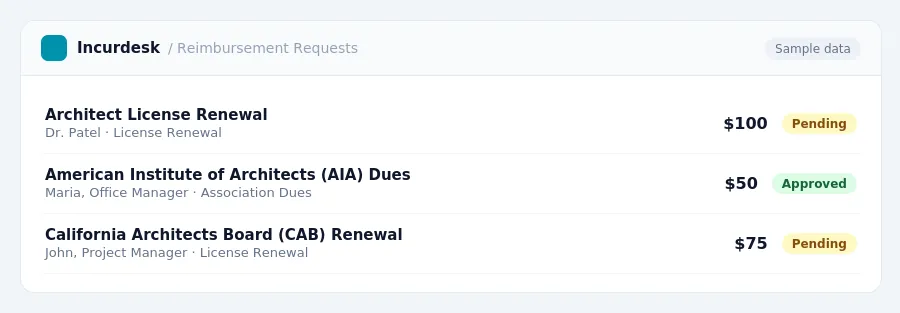
State-Specific Regulations and Requirements
State-specific regulations and requirements can impact your ability to deduct reimbursed architect license renewals and professional association dues. For instance, in California, departments are required to pay $553 of the 2026 State Bar membership fee of $598 for employees in Bargaining Unit 2 and affiliated excluded employees if membership is required for employment.
Another area to consider is continuing education requirements. The number of hours and specific topics vary by state, so it's essential to check with your state's licensing board to ensure you're meeting all requirements. Some states may require documentation of completed courses or hours, so be sure to keep accurate records.
When it comes to state-specific regulations, it's crucial to stay informed and compliant. Here are some key steps to take:
- Check with your state's licensing board for specific requirements on continuing education hours and topics.
- Verify if your state requires documentation of completed courses or hours.
- Keep accurate records of all continuing education activities.
- Review state-specific regulations on reimbursable expenses, such as professional association dues.
For California, specifically, be sure to note the following:

Deducting Professional Association Dues and Reimbursements
When it comes to deducting professional association dues and reimbursements, there are specific rules to follow.
It's essential to keep accurate records of the dues paid and the reimbursement received. If you're in California, you can reimburse employees up to $100 annually for membership dues of a professional organization or for a job-related professional license fee.
Some states or government entities may have specific caps on reimbursements for professional dues or license fees, so be sure to check the regulations in your area. To ensure compliance, keep a record of the following:
By following these guidelines and keeping accurate records, you can ensure that your professional association dues and reimbursements are properly deducted and reimbursed.
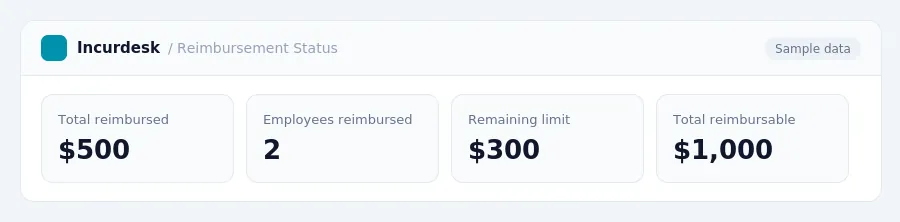
Documenting and Reimbursing Architect License Renewals and Association Dues
Here are some practical steps to ensure compliance and maximize tax benefits:
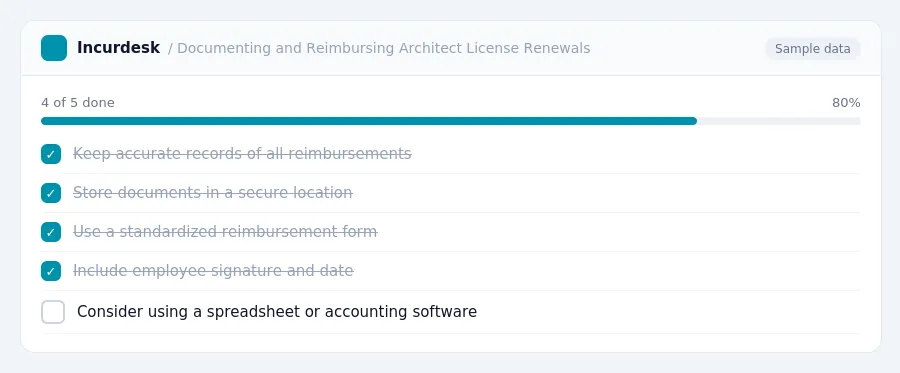
Keep accurate records of all reimbursements, including receipts, invoices, and payment records. Store these documents in a secure and easily accessible location, such as a dedicated file folder or digital storage system.
Use a standardized reimbursement form or template to ensure consistency and accuracy. Include the following information:
- Date of expense
- Type of expense (e.g. license renewal, association dues)
- Amount of expense
- Method of payment (e.g. check, credit card)
- Employee signature and date
Consider using a spreadsheet or accounting software to track and manage reimbursements. This can help streamline the process and reduce the risk of errors or lost documents.
Tax rules, limits and rates change. Confirm current figures with the IRS or your accountant before you file.
Keeping this simple: Incurdesk keeps receipts and approvals together, so you know exactly what to reimburse. It is built for small architecture teams. Try it free.
Stop losing 4+ hours a week
30-day free trial · No credit card · Setup in 15 minutes