
Reimbursing Associates for Licensing and Association Dues
A practical, data-backed guide to controlling costs and automating expense workflows.
Reimbursing associate dentists for professional licensing and association dues is a common practice in expense management for dental practice For a complete overview, see our expense management guide.
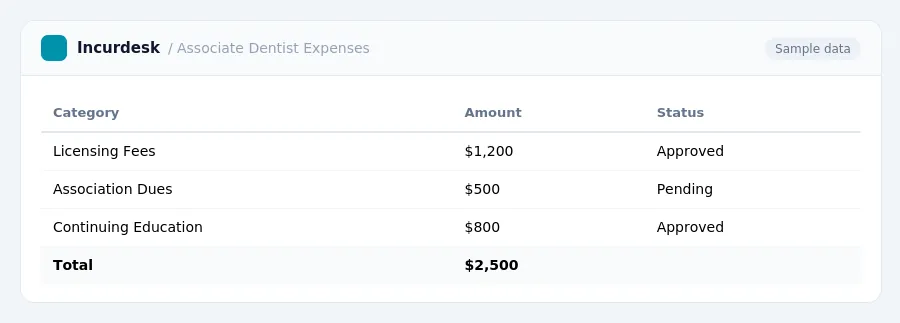
Expenses must have a clear business connection, be adequately substantiated with records, and any excess advances must be returned promptly.
- Expenses must have a clear business connection, such as continuing education courses, professional dues, licensing fees, and travel for conferences.
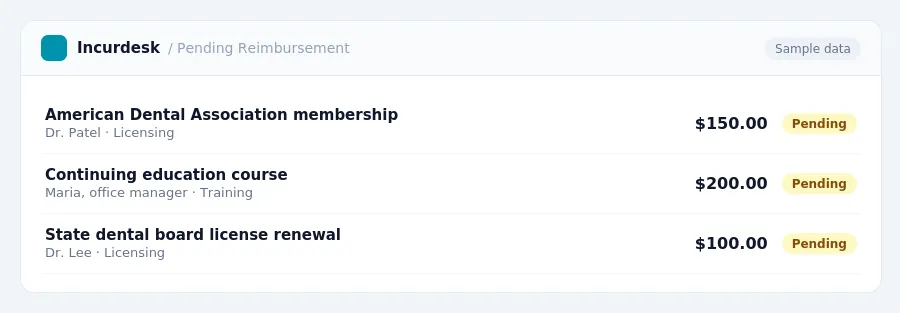
Identifying Eligible Expenses for Reimbursement
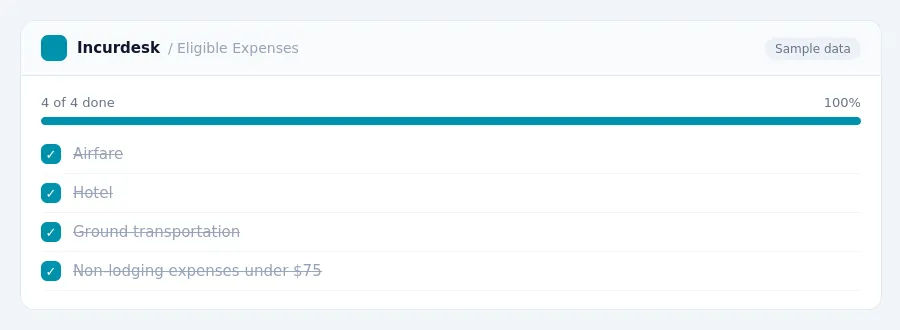
When identifying eligible expenses for reimbursement, consider the following:
- Airfare
- Hotel
- Ground transportation
- Non-lodging expenses under $75 do not require receipts, but:
- Must be recorded with the amount, time, place, and business purpose
For example, if an associate dentist attends a CE course in another city, they can be reimbursed for:
- Airfare
- Hotel costs (if the hotel is booked for business purposes)
- Ground transportation (such as taxi fare or rental car expenses)
Documenting and Submitting Expenses for Reimbursement
When an associate submits expenses for reimbursement, it's essential to ensure they provide the necessary documentation to support the claim. This documentation should include:
- A receipt or invoice for the expense
- A completed expense report form, which should include the associate's name, date, expense type, and amount
- Proof of payment, such as a cancelled check or credit card statement
For association dues, the associate should also provide a breakdown of the dues, including the portion allocated to lobbying or political expenditures.
Associates should submit their expense reports to the practice management team within a reasonable timeframe, such as by the end of each month or quarter.
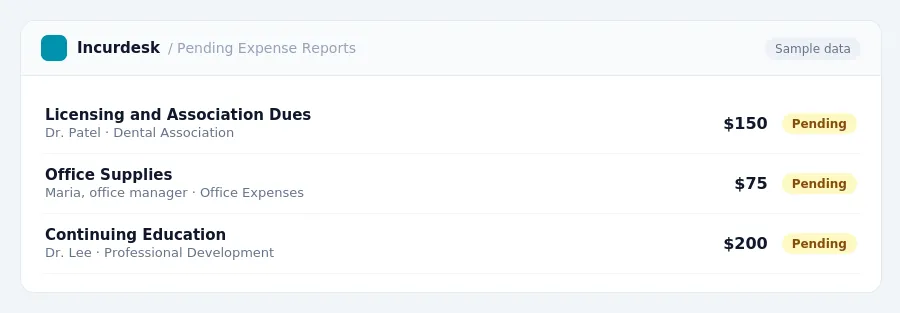
Common Pitfalls and Compliance Challenges
When reimbursing associates for licensing and association dues, it's essential to avoid common pitfalls and compliance challenges.
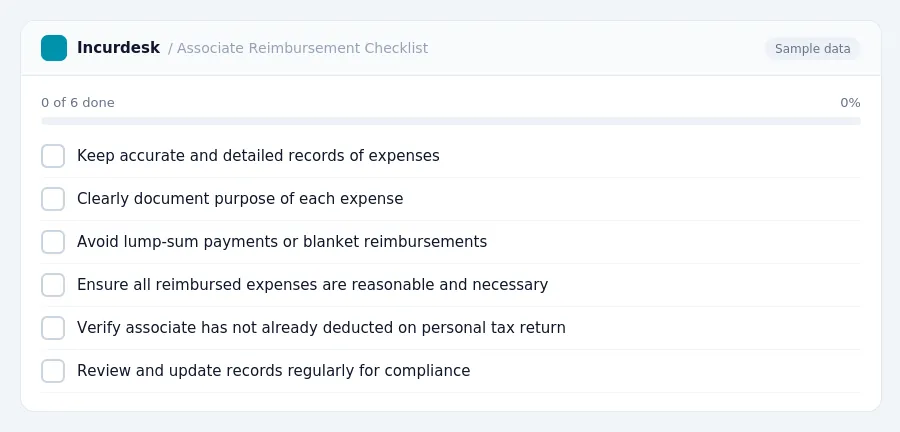
- Keep accurate and detailed records of all expenses, including receipts, invoices, and payment records.
- Clearly document the purpose of each expense and how it relates to the associate's duties or professional development.
- Avoid lump-sum payments or blanket reimbursements, as these can lead to misunderstandings and potential audits.
- Ensure that all reimbursed expenses are reasonable and necessary, and that the associate has not already deducted them on their personal tax return.
Be cautious of the following potential compliance challenges:
To mitigate these risks, establish clear policies and procedures for reimbursement, and regularly review and update records to ensure compliance.
Calculating and Reporting Reimbursement Amounts
Here are some steps to follow:
- Separate eligible expenses from non-eligible expenses. Keep records of the specific expense, date, and amount.
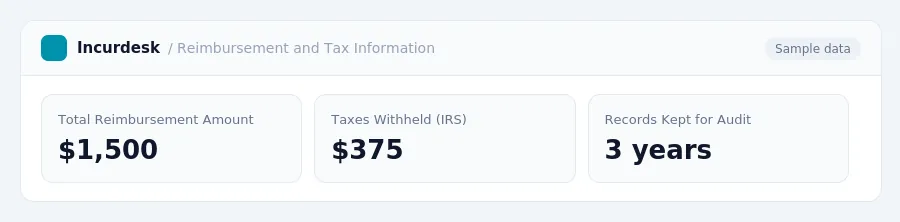
- Calculate the total reimbursement amount, including only eligible expenses.
When reporting reimbursement amounts, it's also essential to:
- Withhold applicable taxes and submit them to the IRS.
Keep accurate records of reimbursement amounts and supporting documentation for at least three years in case of an audit.
Tax rules, limits and rates change. Confirm current figures with the IRS or your accountant before you file.
Keeping this simple: Incurdesk keeps receipts and approvals together, so you know exactly what to reimburse. It is built for small dental practice teams. Try it free.
Stop losing 4+ hours a week
30-day free trial · No credit card · Setup in 15 minutes