
Resident and Fellow Educational Stipend Reimbursement Rules
A practical, data-backed guide to controlling costs and automating expense workflows.
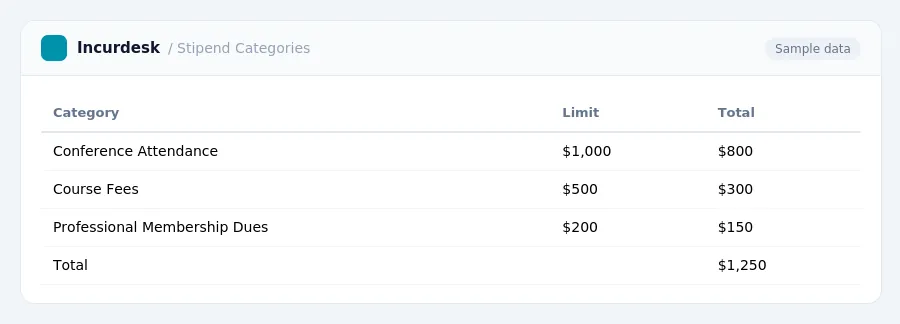
Providing educational stipends to residents and fellows can be a valuable expense management for hospitals, but it's essential to understand the rules and tax implications. Residents and fellows can receive stipends for expenses related to educational activities, such as conference attendance, course fees, and professional membership dues. For a complete overview, see our expense management guide.
What Qualifies as a Stipend?
To qualify as a stipend, the payment must be made under a formal agreement or arrangement between the hospital and the resident or fellow. The stipend can be provided in the form of a lump sum or a series of payments.
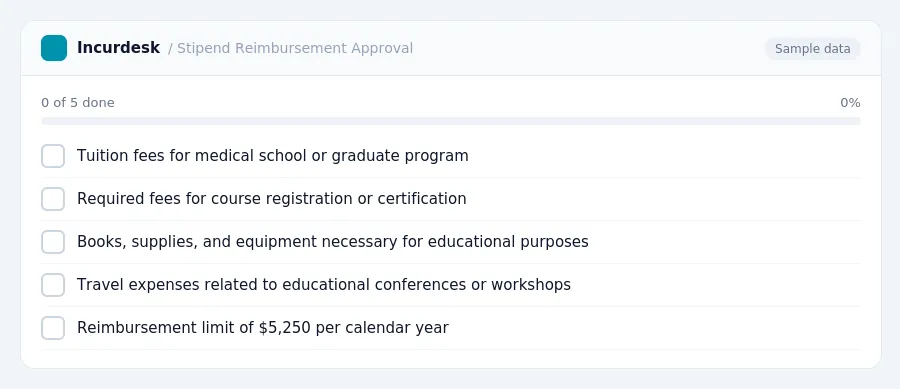
Here are some examples of what may qualify as a stipend:
- Tuition fees for medical school or a graduate program
- Required fees for course registration or certification
- Books, supplies, and equipment necessary for educational purposes
- Travel expenses related to educational conferences or workshops
The program allows for a maximum reimbursement of $5,250 per calendar year for 2026.
Keep in mind that not all payments qualify as a stipend. If the payment is made for non-educational purposes, such as a salary or bonus, it may be subject to different tax implications.
Tax Implications and Reporting Requirements
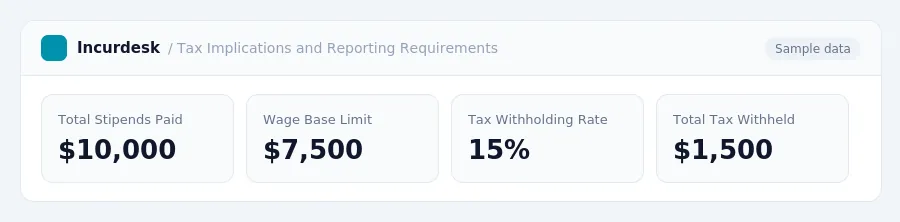
When providing educational stipends to residents and fellows, it's essential to understand the tax implications and reporting requirements.
The recipient is responsible for reporting these payments and remitting any tax due.
When calculating the tax withholding, you should consider the total amount of stipends paid and the wage base limit. If the total amount exceeds the wage base limit, only the amount up to the limit is subject to Social Security tax withholding.
It's crucial to maintain accurate records of stipend payments, including the date, amount, and purpose of each payment.
Limits on Reimbursement Amounts and Exclusions
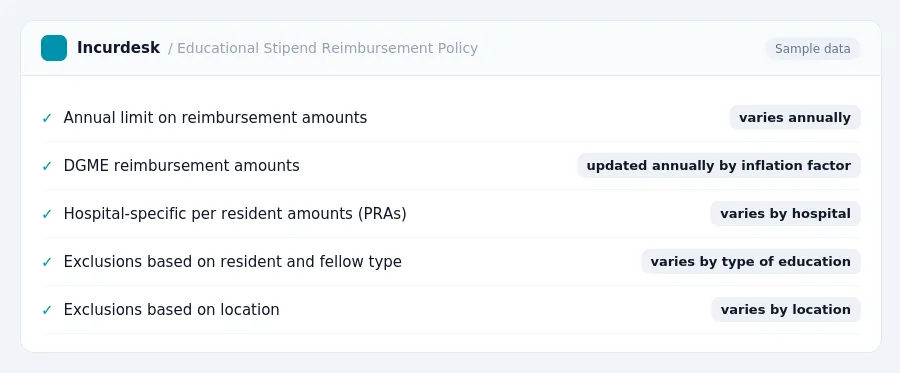
When it comes to reimbursement amounts for educational stipends, there are limits and exclusions to be aware of. Here are some key points to keep in mind:
- However, this limit may change annually, so be sure to check for updates.
- Medicare's Direct Graduate Medical Education (DGME) reimbursement amounts are updated annually by an inflation factor, and hospital-specific per resident amounts (PRAs) can vary. These amounts may impact the reimbursement amounts for educational stipends.
- It's essential to review the specific reimbursement amounts and exclusions applicable to your small hospital business, as these can vary depending on factors such as the number of residents and fellows, the type of education being reimbursed, and the location of the business.
Practical Considerations for Small Hospital Businesses
When it comes to providing educational stipends to residents and fellows, small hospital businesses need to consider their specific circumstances and make informed decisions. For example, the reimbursement amount is based on the hospital's specific per resident amount (PRA), which is updated annually by an inflation factor.
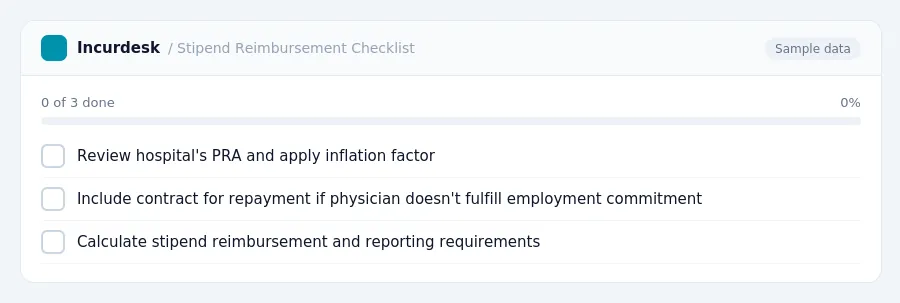
To determine the correct reimbursement amount, you'll need to review your hospital's PRA and apply the inflation factor. This amount will serve as the basis for your stipend reimbursement.
Additionally, if you're offering stipends as an incentive for future employment, be sure to include a contract that requires repayment if the physician does not fulfill the employment commitment. This will help ensure that you're not out of pocket for unnecessary expenses.
Make sure to take this into account when calculating your stipend reimbursement and reporting requirements.
Finally, be sure to review and update your stipend reimbursement policies annually to ensure compliance with changing regulations and inflation factors.
You would then use this amount as the basis for your stipend reimbursement.
Keeping this simple: Incurdesk keeps receipts and approvals together, so you know exactly what to reimburse. It is built for small hospital teams. Try it free.
Stop losing 4+ hours a week
30-day free trial · No credit card · Setup in 15 minutes