
Site Visit Travel and Mileage Expenses for Architects
A practical, data-backed guide to controlling costs and automating expense workflows.
Small architecture businesses with 5-50 employees can deduct site visit travel and mileage expenses, but must comply with IRS rules to avoid audit issues and maximize deductions. To simplify expense tracking, consider implementing architecture expense management for under $10/user (2026) to ensure accurate record-keeping and minimize errors. For a complete overview, see our expense management guide.
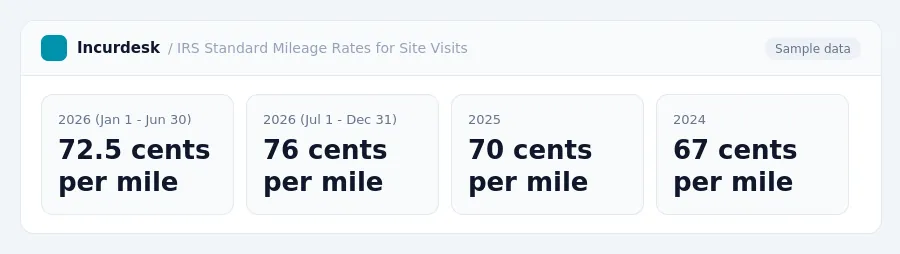
IRS Standard Mileage Rates for Site Visits
The IRS standard mileage rate for site visits changes periodically. As an architect, it's essential to know the current rate to accurately calculate your mileage expenses. Here are the standard mileage rates for the past few years:
- 2026 (Jan 1 - Jun 30): 72.5 cents per mile
- 2026 (Jul 1 - Dec 31): 76 cents per mile
- 2025: 70 cents per mile
- 2024: 67 cents per mile
- 2023: 65.5 cents per mile
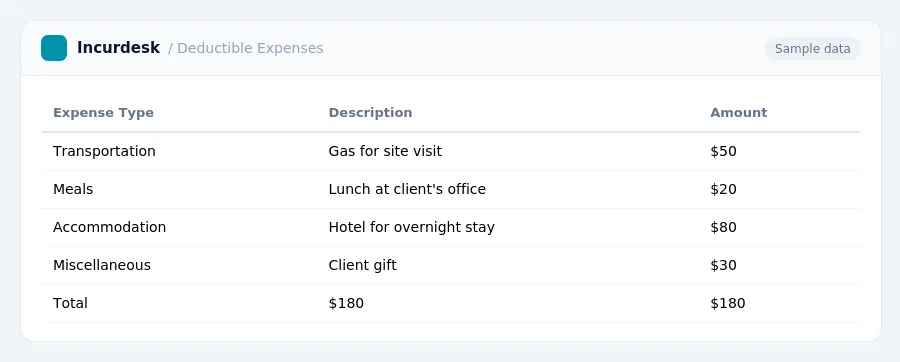
Deductible Expenses for Site Visits
Expenses related to using a car, van, pickup, or panel truck for business purposes are generally deductible. This includes costs such as fuel, maintenance, insurance, and repairs. You can also deduct parking fees or tolls related to your business travel, but not those related to commuting to and from your main place of business.
If your home office qualifies as your principal place of business, travel from home to other business locations, such as site visits, is deductible. However, travel expenses from home to your regular place of work are considered commuting expenses and are not deductible.
For taxable years beginning after December 31, 2017, and before January 1, 2026, most employees cannot claim a miscellaneous itemized deduction for unreimbursed employee travel expenses. This means that you may not be able to deduct expenses such as meals, lodging, and transportation costs unless you are self-employed or your employer reimburses you for these expenses.
Record-Keeping Requirements for Site Visit Expenses
For small architecture businesses, keeping accurate records of site visit expenses is crucial to ensure compliance with IRS regulations and maximize deductions. Here's what you need to know:
For site visit expenses, you must keep records of the date, time, location, business purpose, and business use percentage of each trip. This information should be documented in a log or spreadsheet that can be easily accessed and reviewed.
- Keep a record of the total miles driven for each trip, as well as the starting and ending odometer readings.
- Document any receipts or invoices for expenses such as fuel, tolls, parking, and meals.
- Keep a record of any business-related conversations or meetings that took place during the trip.
For example, let's say an architect drove 100 miles for a site visit on July 15, 2022, and spent $20 on fuel.
It's also essential to keep records of business use percentage for each trip. This information should be documented in your records and can be used to calculate the business use percentage of your expenses.
Remember to keep your records for at least three years in case of an audit. You can store them electronically or in a physical file, but make sure they are easily accessible and can be reviewed quickly.
Business Use of a Vehicle for Site Visits
When using a vehicle for site visits, it's essential to understand the business use of a vehicle, including traveling between work locations, visiting clients, attending business meetings away from the regular workplace, and traveling from home to a temporary workplace if you have other regular workplaces.
For instance, let's say you're an architect with multiple clients across the city. You drive to each client's location, attending meetings and site visits, and then head back to your office. You also drive to meetings with contractors, suppliers, or other business associates.
Under the actual expense method, you'll need to keep receipts and invoices for all vehicle-related costs, such as:
- Gasoline
- Oil and maintenance
- Registration fees
- Insurance
- Depreciation
Keep in mind that the IRS requires accurate records of business use, so be sure to track the number of miles driven for business purposes and keep records of your receipts and invoices.
You can deduct the business use percentage of these costs, which is calculated based on the total miles driven for business purposes divided by the total miles driven in the month.
Remember to keep accurate records and consult the IRS guidelines for more information on business use of a vehicle for site visits.
For more information on IRS guidelines, please check the official IRS website or consult with a tax professional.
Maximizing Deductions and Avoiding Audit Issues
To maximize deductions and avoid audit issues, keep accurate and detailed records of site visit expenses. Make sure to log each trip, including the date, start and end time, miles driven, and the business purpose of the trip. Keep receipts for gas, tolls, and parking, and maintain a log of vehicle maintenance expenses.
- For miles driven after June 30, 2022, check the IRS website for the current rate.
- Calculate the total mileage expense by multiplying the business standard mileage rate by the total miles driven.
Also, keep track of deductible expenses such as:
- Hotel stays and other lodging expenses.
- Tolls, parking, and other transportation expenses.
Make sure to review your records at the end of each year and calculate your total expenses.
Keeping this simple: Incurdesk keeps receipts and approvals together, so you know exactly what to reimburse. It is built for small architecture teams. Try it free.
Stop losing 4+ hours a week
30-day free trial · No credit card · Setup in 15 minutes