
Splitting Expenses Between Agents on a Real Estate Team
A practical, data-backed guide to controlling costs and automating expense workflows.
Splitting expenses between agents on a real estate team can be a complex task, but it's essential for small businesses to understand how to do it correctly to avoid any tax implications. Utilizing a real estate expense management tool for under $10/user (2026) can also help streamline the process and reduce administrative burdens. For the bigger picture, see our guide to real estate expense management for under $10/user (2026). For a complete overview, see our expense management guide.
Classifying Real Estate Agents as Independent Contractors
When setting up a real estate team, it's essential to understand the tax implications of classifying agents as independent contractors. This classification is crucial, as it affects how expenses are split and taxes are paid.
This test examines three factors: behavioral control, financial control, and the type of relationship between the parties. To classify an agent as an independent contractor, ensure the contract clearly outlines the terms of the agreement, including payment structure and expectations.
As independent contractors, real estate agents are responsible for their own self-employment taxes and business expenses. It's essential to understand these tax implications when setting up a real estate team and splitting expenses between agents.
When drafting a contract, include the following:
- A clear statement confirming the agent is an independent contractor.
- A description of the payment structure, including how commissions are calculated.
- A list of expected expenses and how they will be reimbursed.
- A statement outlining the agent's responsibilities for self-employment taxes.
By following these guidelines and understanding the tax implications of independent contractor status, real estate teams can ensure compliance and maximize profitability.
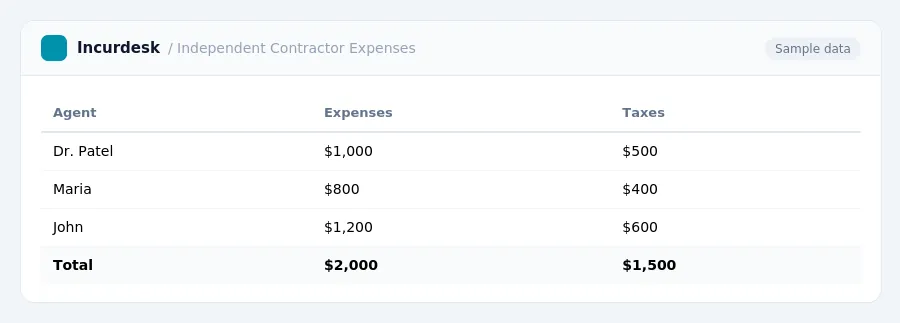
Allocating Expenses Between Agents on a Team
When it comes to allocating expenses between agents on a team, it's essential to understand how commissions work. Commissions are paid to the managing brokerage first, which then takes its cut before distributing the remainder to the team. The team split varies widely, with common structures including 50/50 (for team-provided leads) or 70/30 or 80/20 (in the agent's favor for self-sourced clients). It's crucial to distinguish between brokerage splits and team splits, as they are separate and both come out of the commission.
To allocate expenses, you can consider the following approach:
- Determine the total commission earned by each agent, taking into account the brokerage split and team split.
- Calculate the agent's share of the commission, which will be used to allocate expenses.
- Allocate expenses to each agent based on their share of the commission, ensuring that each agent is responsible for their own expenses.
- Consider setting up a system to track and manage expenses, such as a spreadsheet or accounting software.
Ensure that you're allocating expenses in a way that takes into account this tax liability.
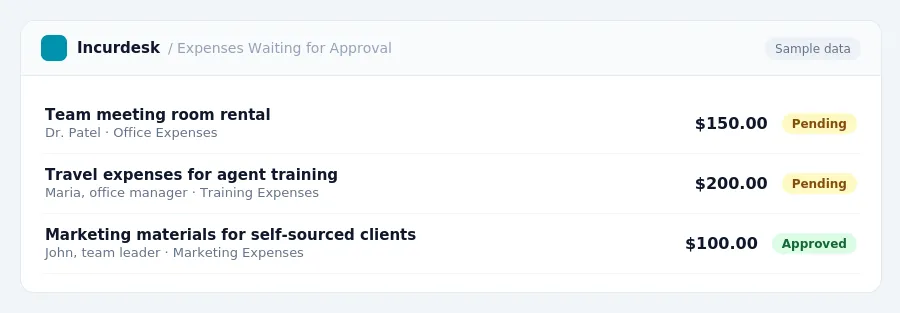
Tax Implications for Real Estate Teams and Individual Agents
For agents with significant net profit, consider electing S corporation status to compare potential tax savings against remaining a sole proprietor. This can be done by modeling the costs of reasonable salary, payroll taxes, and other expenses against potential tax savings. You can consult the S Corporation Election for more information.
Self-Employment Tax. This tax applies to their entire net earnings from self-employment, including income from real estate sales.
Buyer agents must have signed agreements before touring homes, and compensation is no longer advertised on the MLS. Ensure that all agents have these agreements in place to avoid any tax-related issues.
When allocating expenses, consider the tax implications for each agent. This may involve tracking expenses separately for each agent or using a system to allocate expenses based on individual income or other factors.
Consult with a tax professional to ensure that your team is in compliance with all tax regulations and to maximize tax savings.
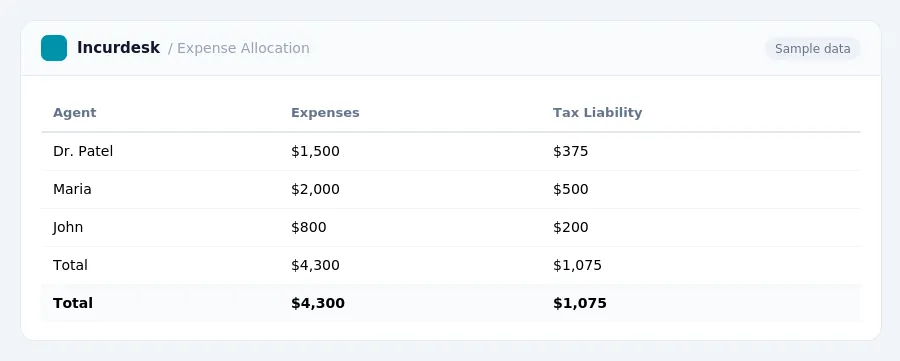
Common Pitfalls and Best Practices for Splitting Expenses
When splitting expenses between agents on a team, there are several common pitfalls to avoid and best practices to follow. To start, it's essential to keep accurate records of all expenses, including receipts and invoices. This will help you allocate expenses correctly and ensure compliance with tax laws.
Another best practice is to establish clear guidelines for expense allocation, including what types of expenses are eligible for reimbursement and how they will be split between agents. This will help prevent disputes and ensure that all agents understand their responsibilities.
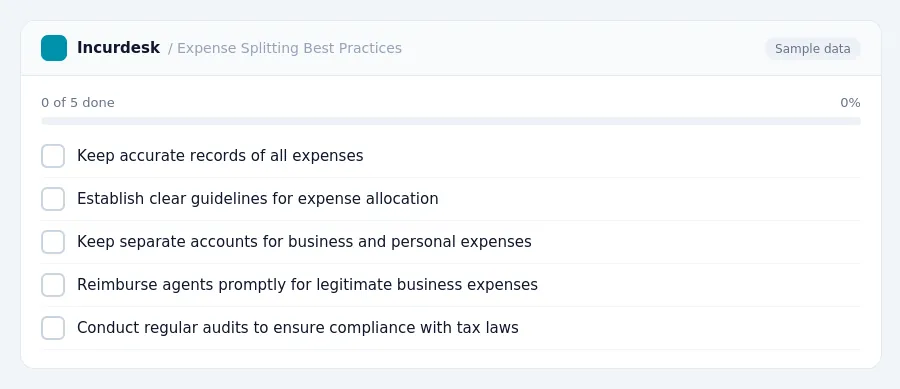
- Keep separate accounts for business and personal expenses to avoid commingling funds and ensure accurate expense reporting.
- Reimburse agents promptly for legitimate business expenses to avoid delays and maintain a positive working relationship.
- Conduct regular audits to ensure compliance with tax laws and detect any potential errors or discrepancies.
- Consider establishing a system for agents to report their expenses and track their reimbursement requests to streamline the process.
Keeping this simple: Incurdesk keeps receipts and approvals together, so you know exactly what to reimburse. It is built for small real estate teams. Try it free.
Stop losing 4+ hours a week
30-day free trial · No credit card · Setup in 15 minutes